A city built in layers
Brighton did not grow evenly, and that shows the moment old plaster comes off a wall. The seafront squares and crescents went up in the Regency years, terraced streets climbed the hills behind them through the Victorian decades, and between the wars new suburbs spread north towards Patcham and Withdean. At the same time the council was building its first estates to the north-east: South Moulsecoomb began with 478 three-bedroom semi-detached houses on generous plots, and North Moulsecoomb followed with 390 smaller, more tightly packed homes. Each generation was plastered in its own way, so the right preparation for one house can be the wrong one for the next.
Villas around Preston Park
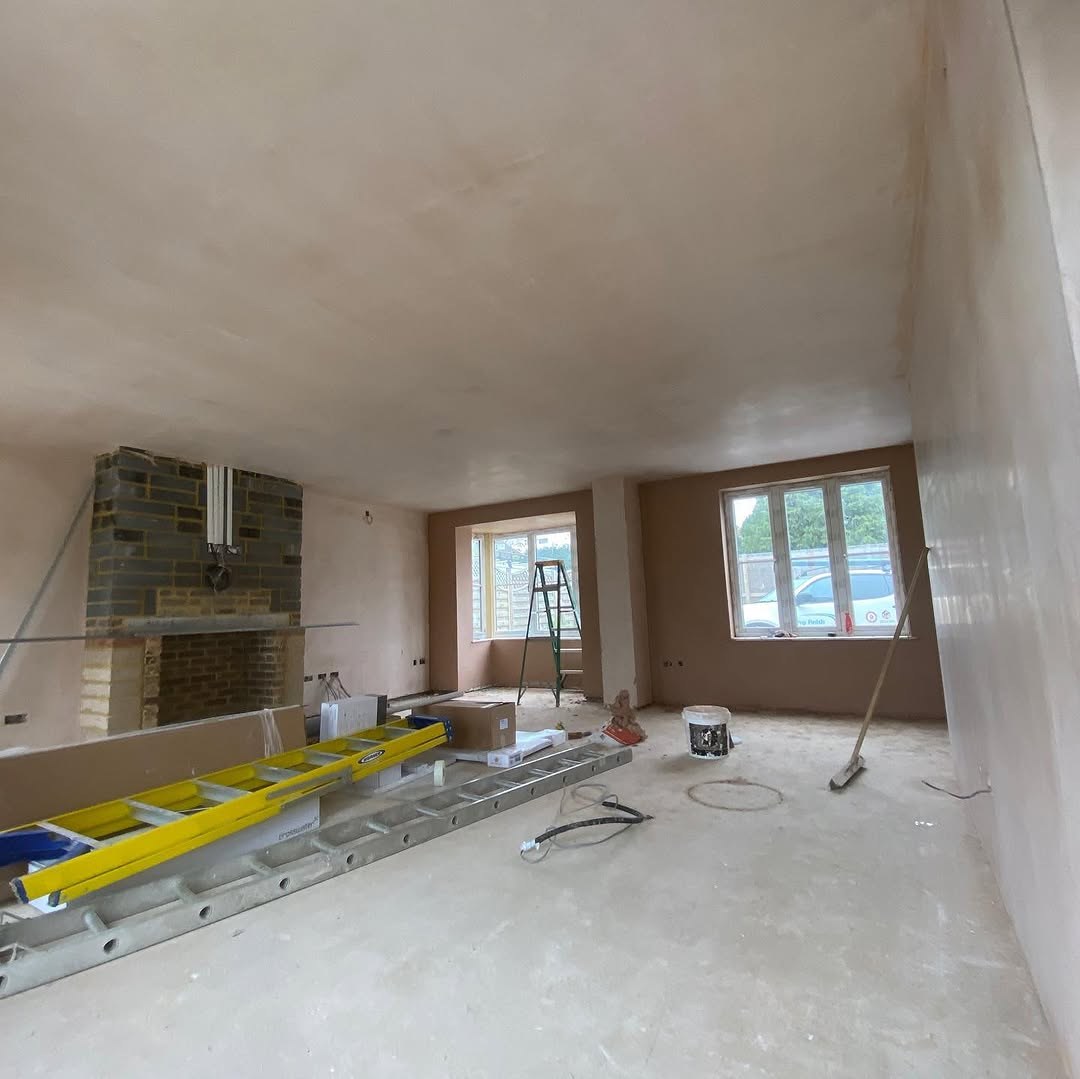
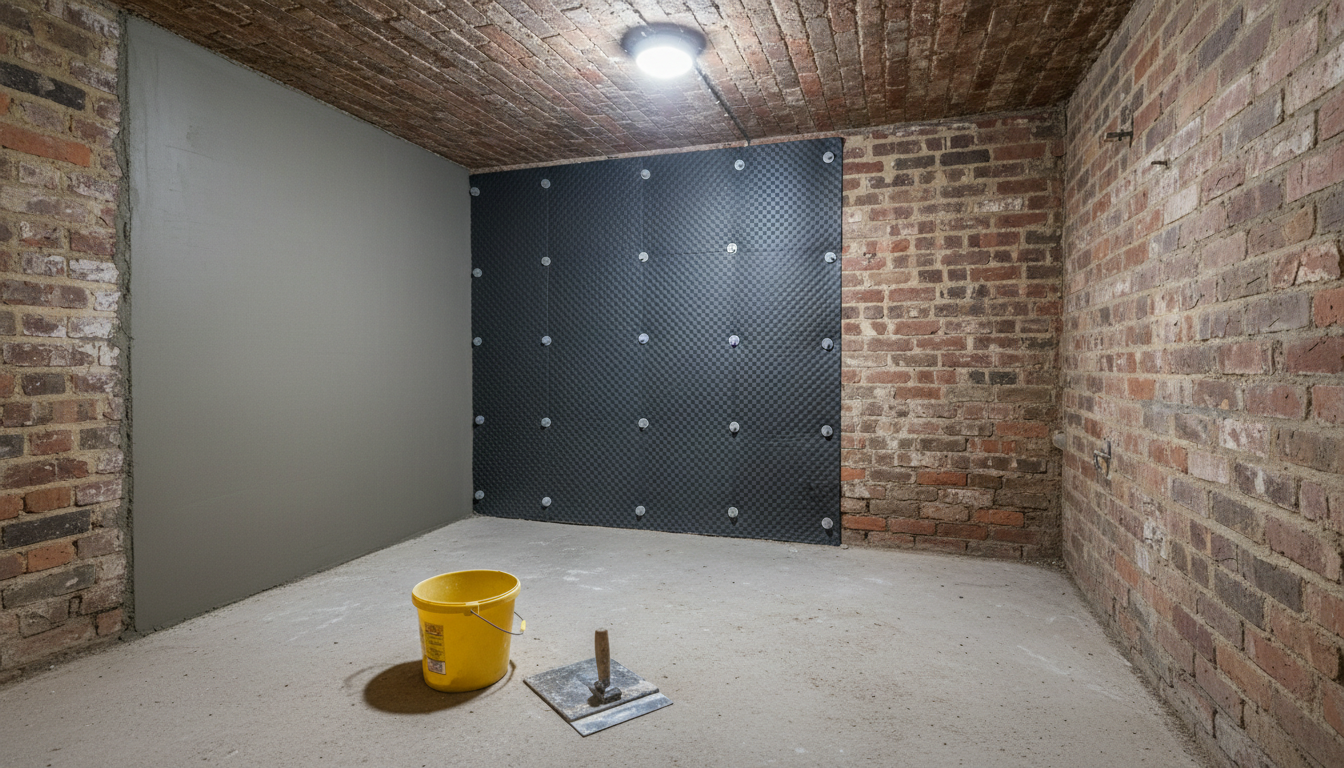
The streets north and east of Preston Park were laid out between 1865 and 1885 as long, straight runs of brick villas, with canted bays, timbered gables and fronts mixing red brick and stucco. Walls of that age often still carry their original plaster, and it rarely fails all at once. We tap each wall to find the hollow patches, cut back only what has lost its grip, build those areas up with a suitable backing and then skim the whole surface. Bay window reveals and the deep returns beside chimney breasts get new beads so the corners finish crisp. Where a wall is too far gone to patch, it is taken back to the brick and floated instead, which our page on float and set in Brighton explains.
Interwar semis and council-built homes
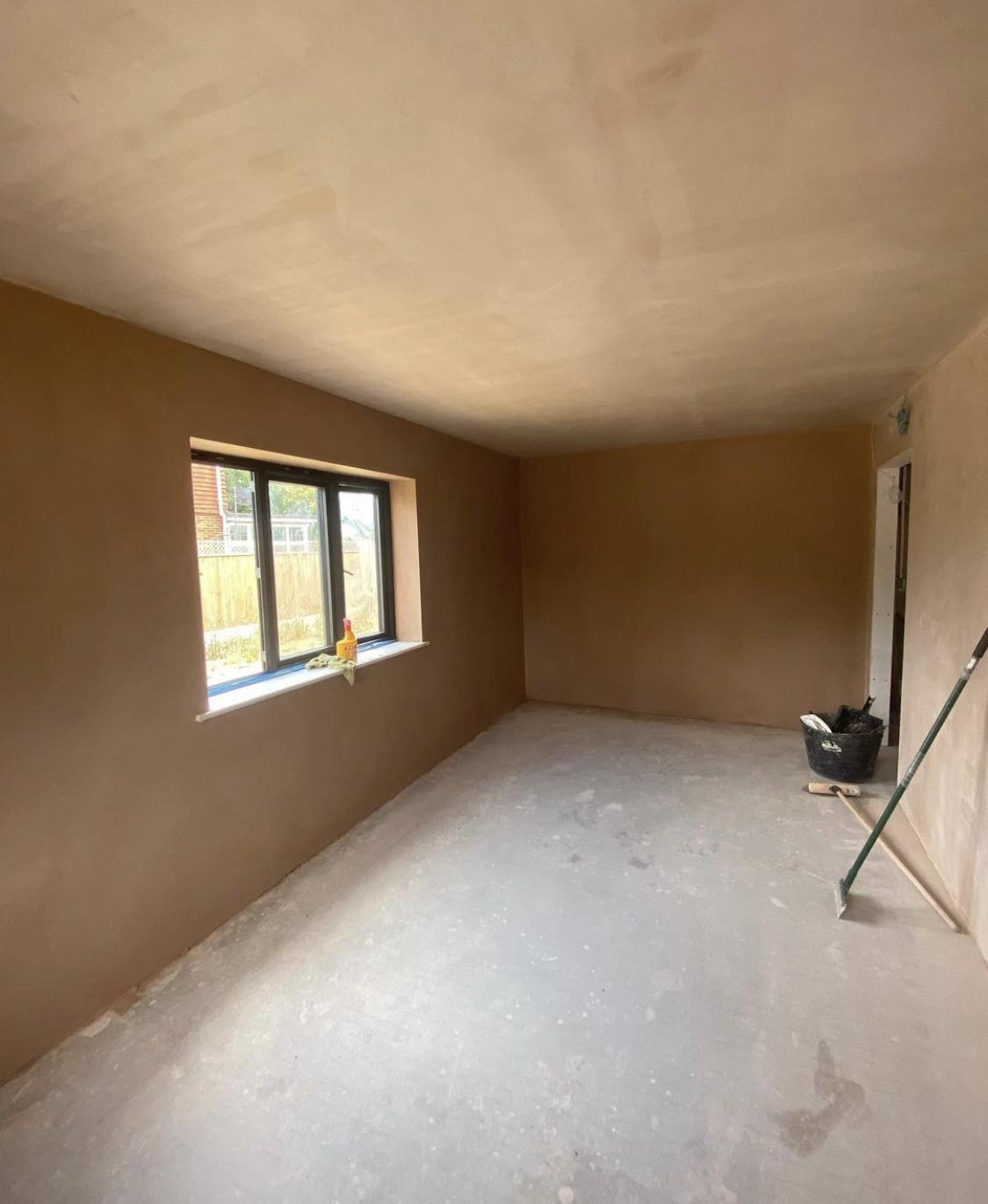
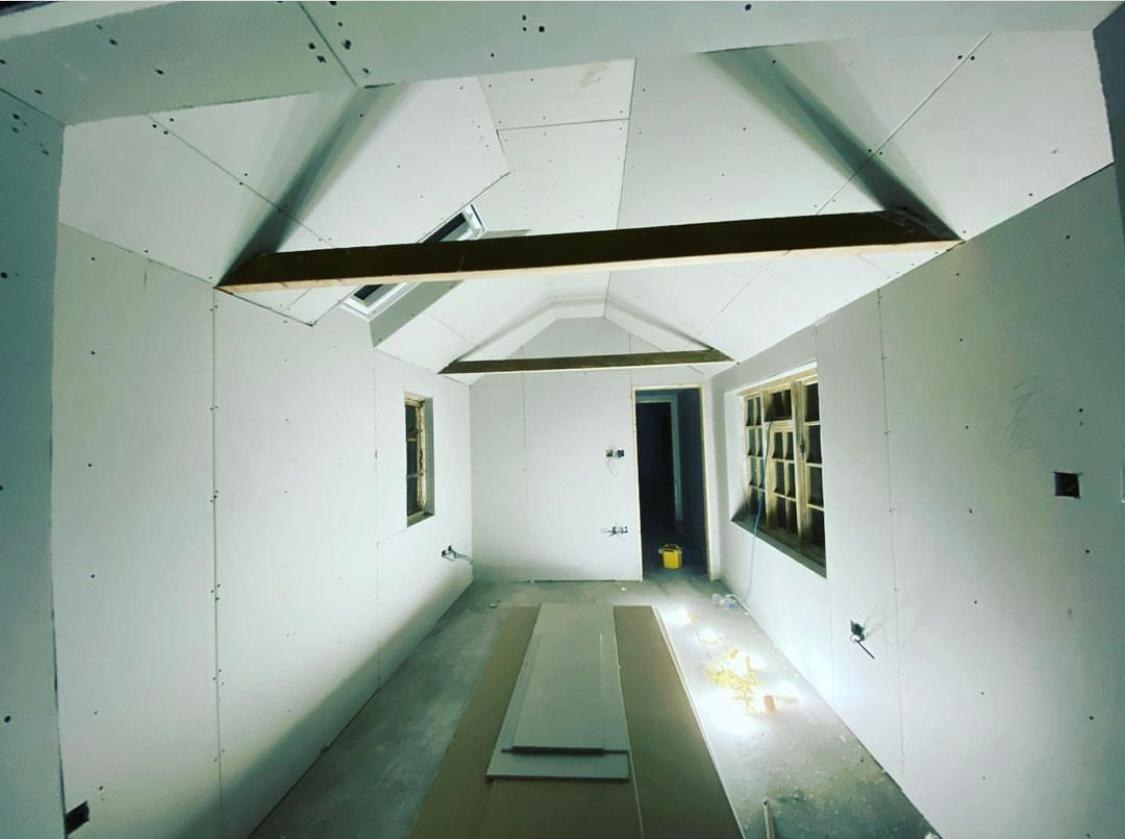
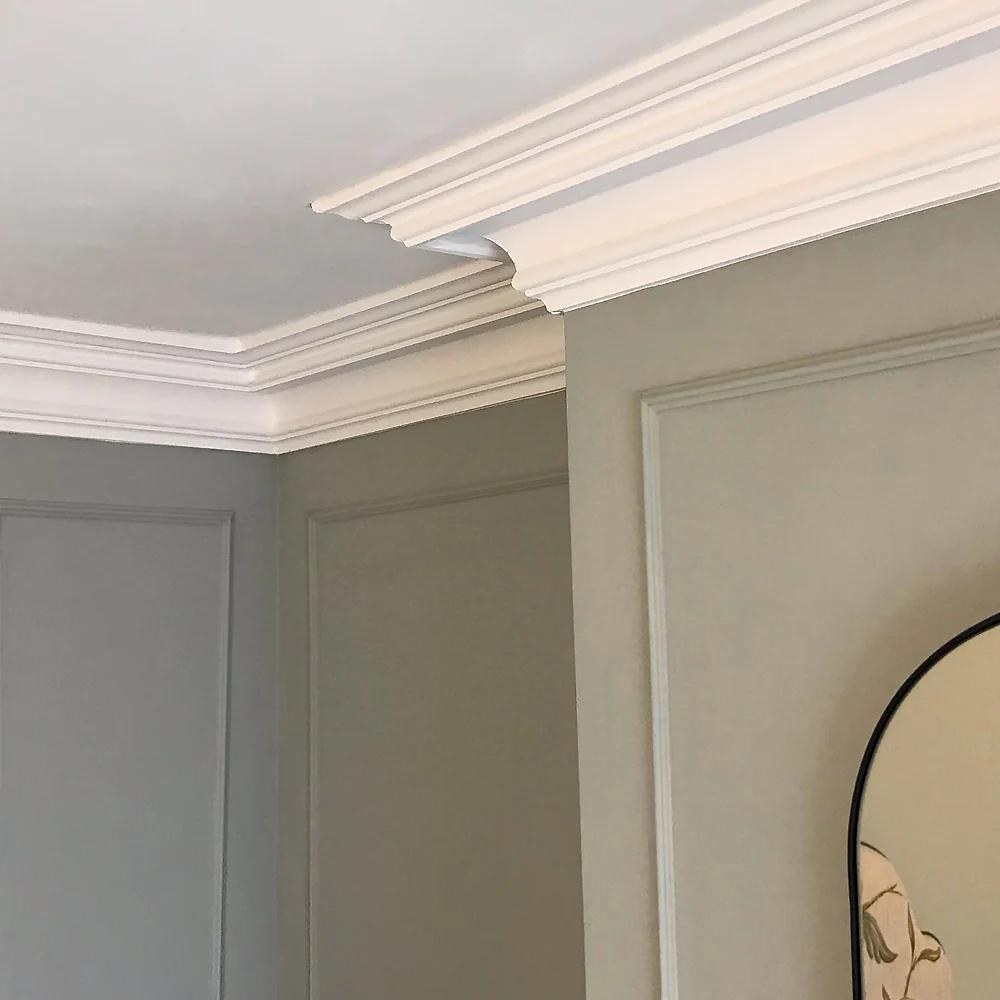
Houses from the 1920s and 1930s in Moulsecoomb, Withdean and around Patcham usually come with close to a century of decorating on them: thick paint, filled cracks, chased-in cables and the scars of fireplaces taken out. Skimming is normally the answer for the walls, once loose material is off and the surface is primed to take the new coat. Ceilings are a separate decision. An old ceiling that has sagged or cracked badly is better overboarded with new plasterboard and then skimmed than patched again, and our plasterboarding and dry lining service in Brighton covers that work.
Whole properties for builders and developers
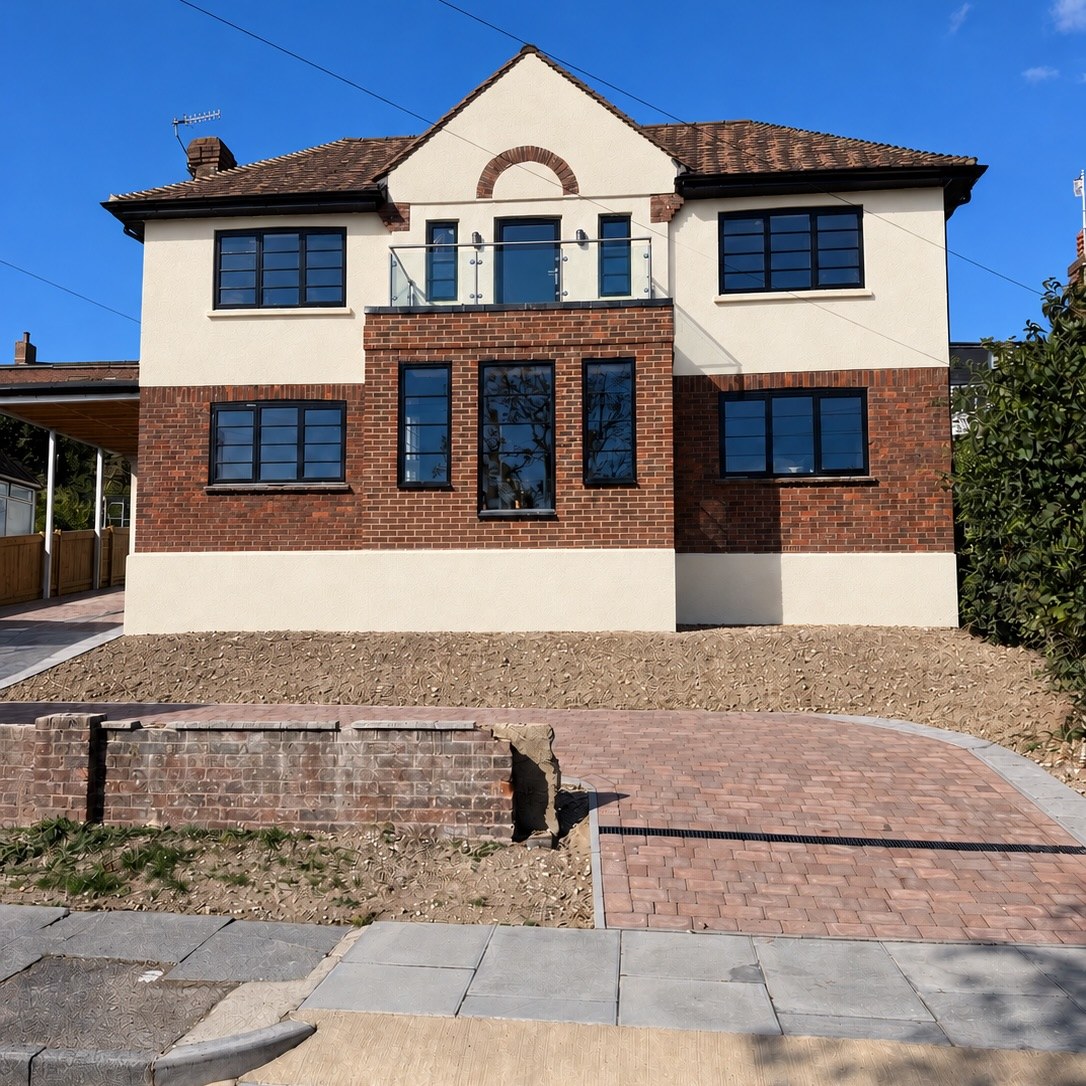
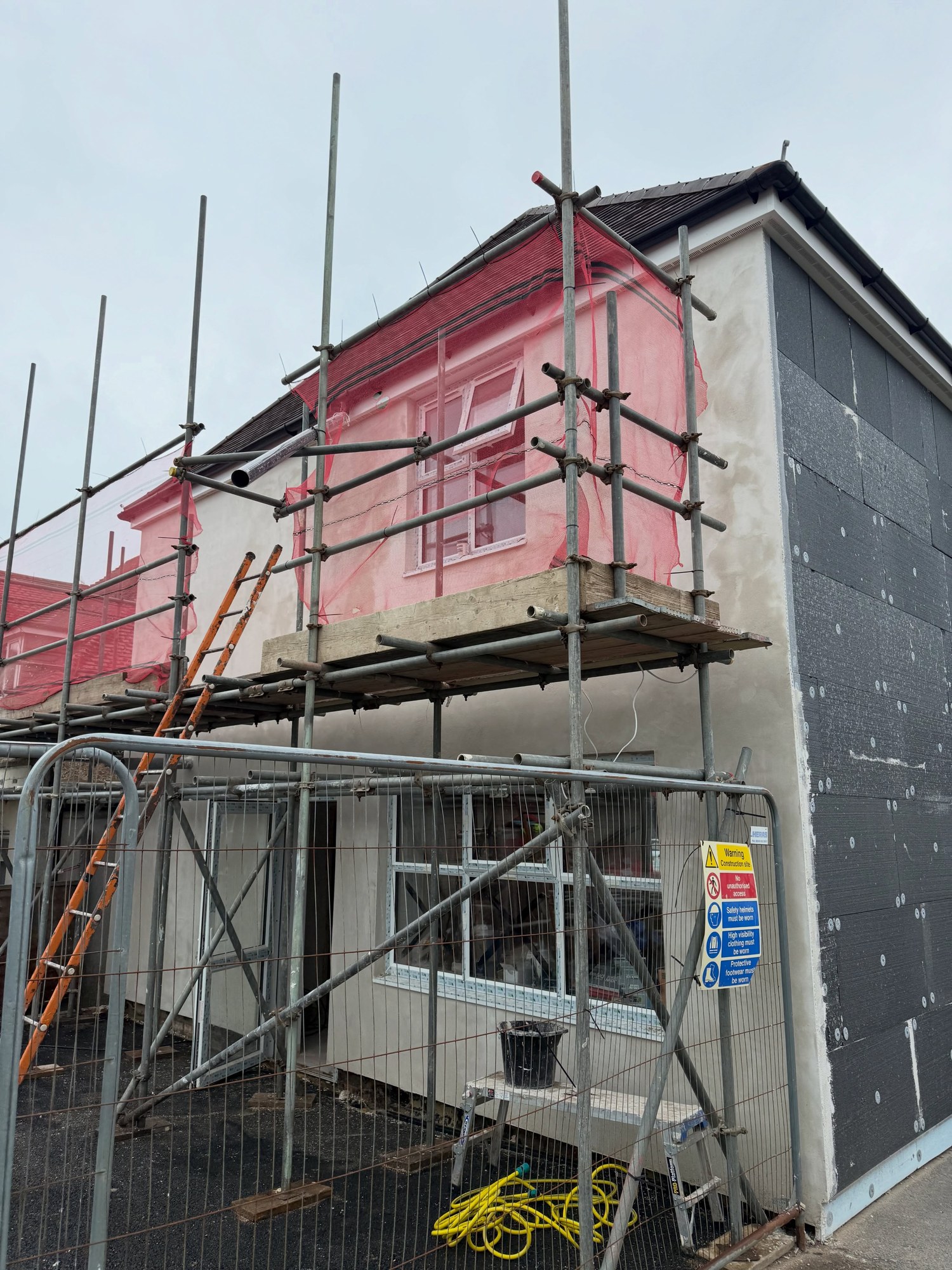
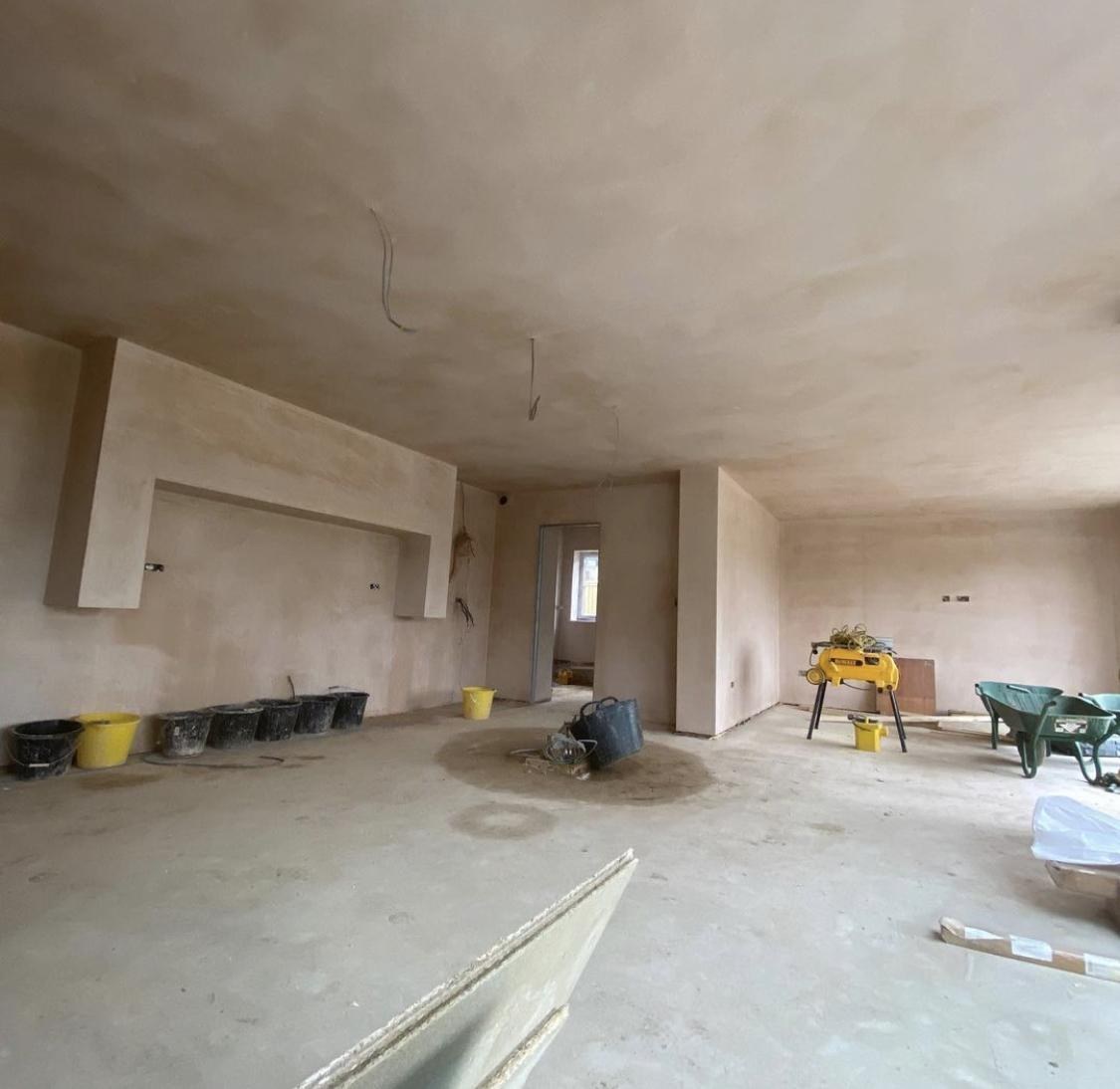
The city keeps building, too, with schemes such as the mixed-use New England Quarter on the land once taken up by the railway works. For builders and developers we plaster entire properties, sequenced with the other trades so boarding, beading and skimming are finished when the decorators arrive. Every finish is two coats of British Gypsum plaster trowelled flat, which carries enough body to hide board joints and screw heads.
What to sort out before you call
A few things make a Brighton plastering job quicker to quote and smoother to run:
- Finish rewiring, plumbing and new sockets first, so nothing gets chased into fresh plaster.
- Note which rooms have been patched before, and whether anyone has mentioned lime plaster in an older house.
- Landlords between tenancies should allow for drying: a new skim wants several days, sometimes a week or more, before its first thinned coat of paint.
- Send a few photos of the worst walls and ceilings with your enquiry.
Pro Finish Plastering covers every part of Brighton, and the main plastering and skimming page sets out how we work. For free advice with no obligation, ring 07824 165672.