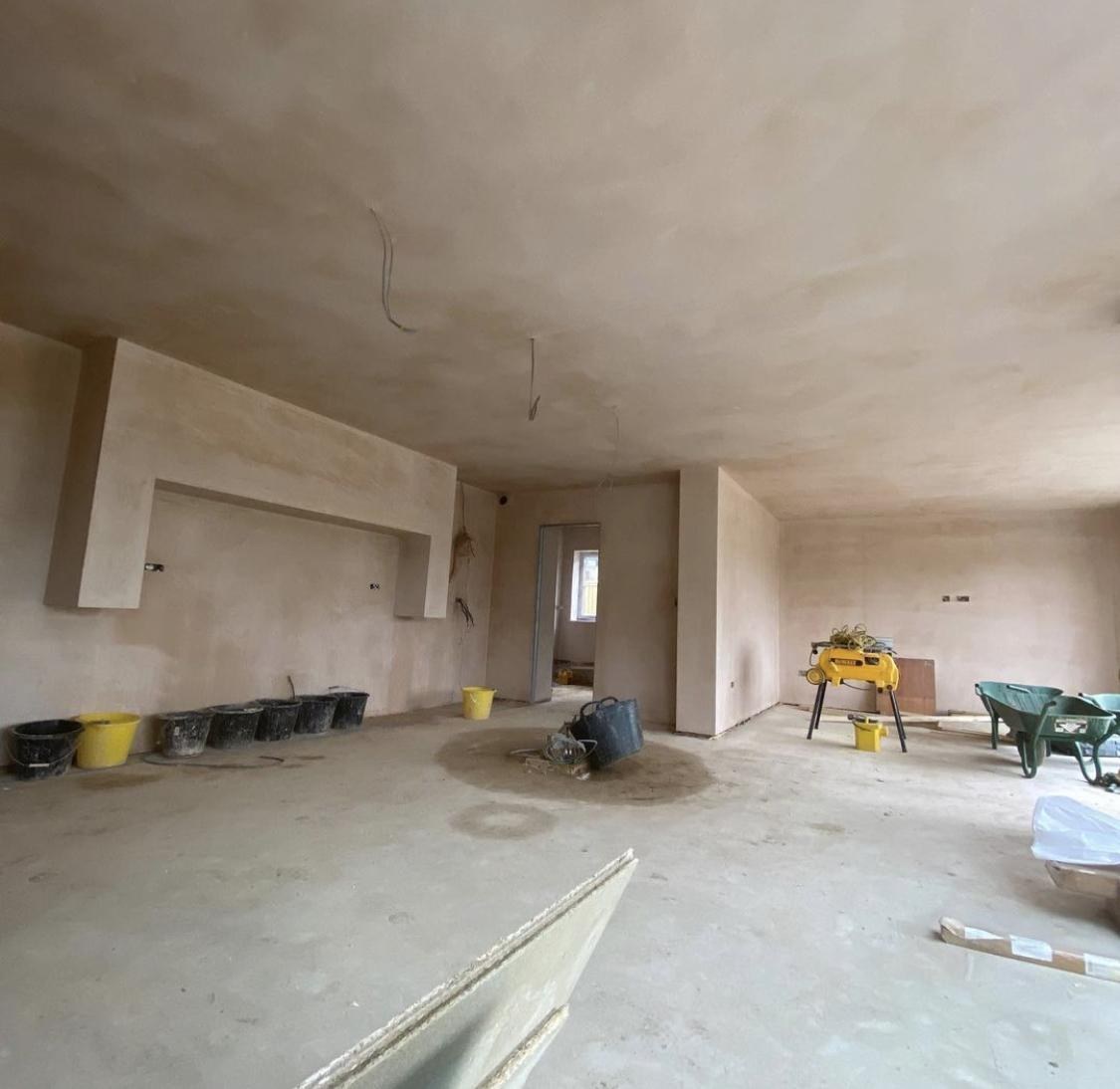
A smooth finish, whatever is underneath
Every wall and ceiling starts from a different place. A new plasterboard ceiling, a 1970s Artex finish, a tired wall in an older house and a freshly rendered blockwork wall all need treating differently before the finish coat goes on. Pro Finish Plastering offers a neat and professional finish on all of those backgrounds, for homeowners, builders and developers across Worthing and West Sussex.
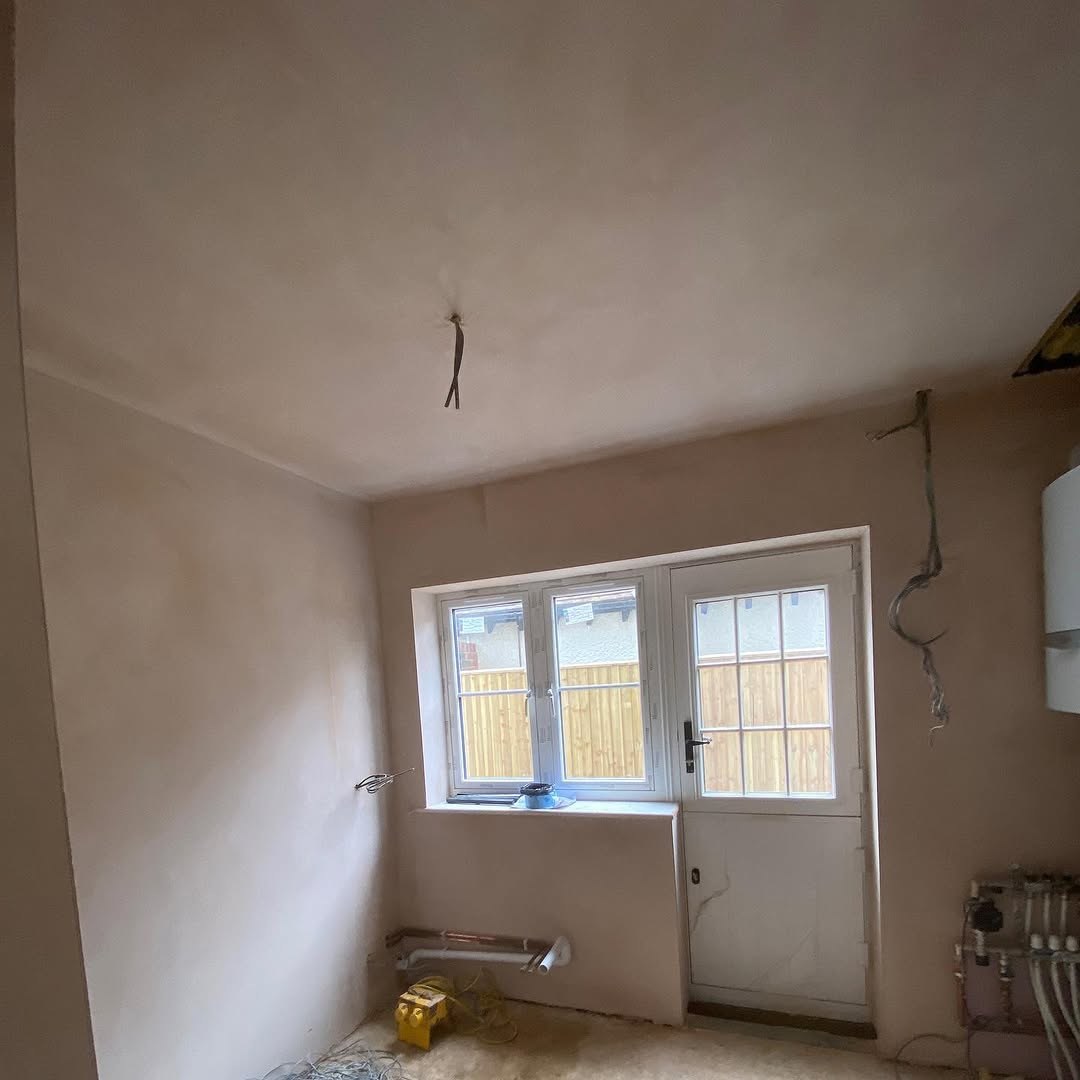
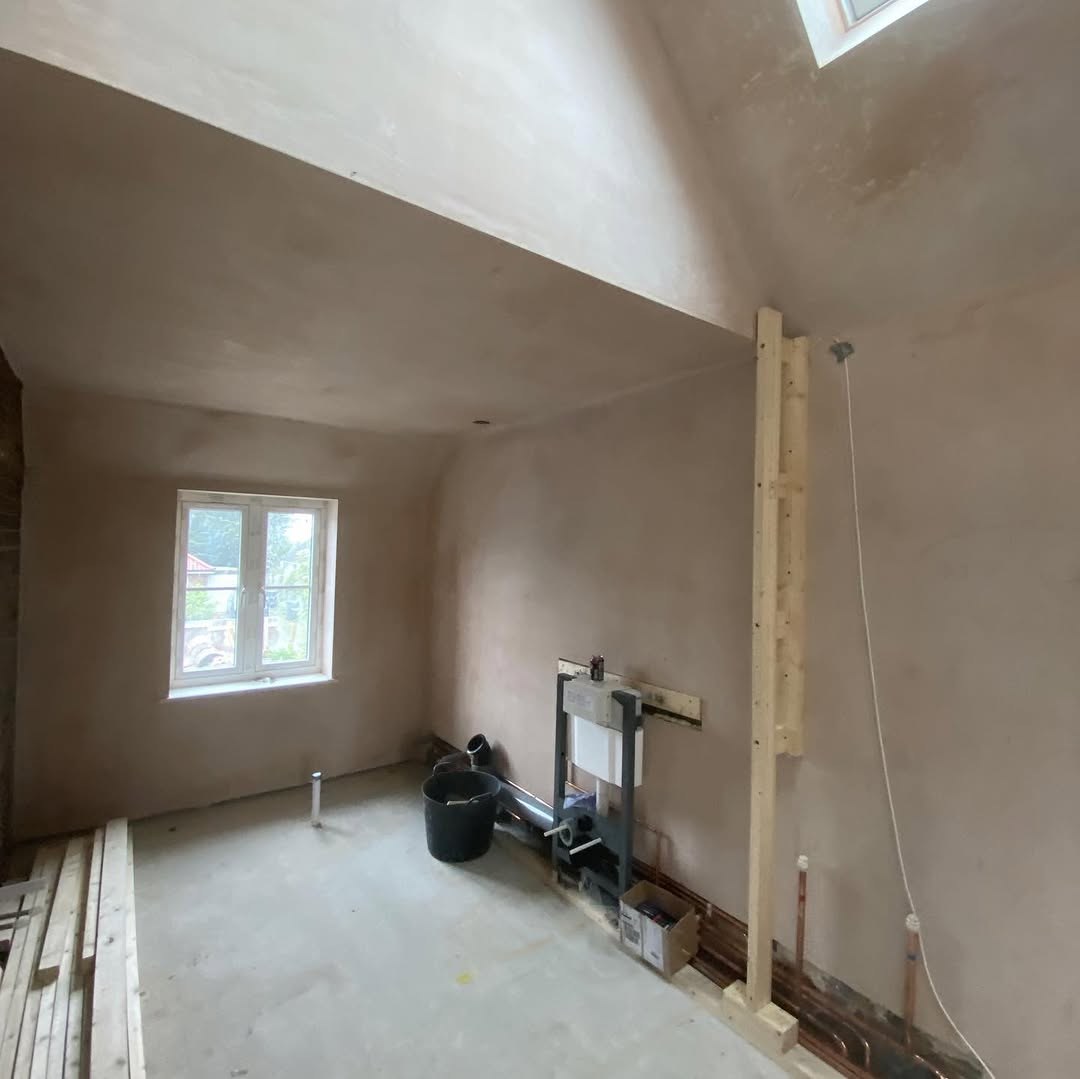
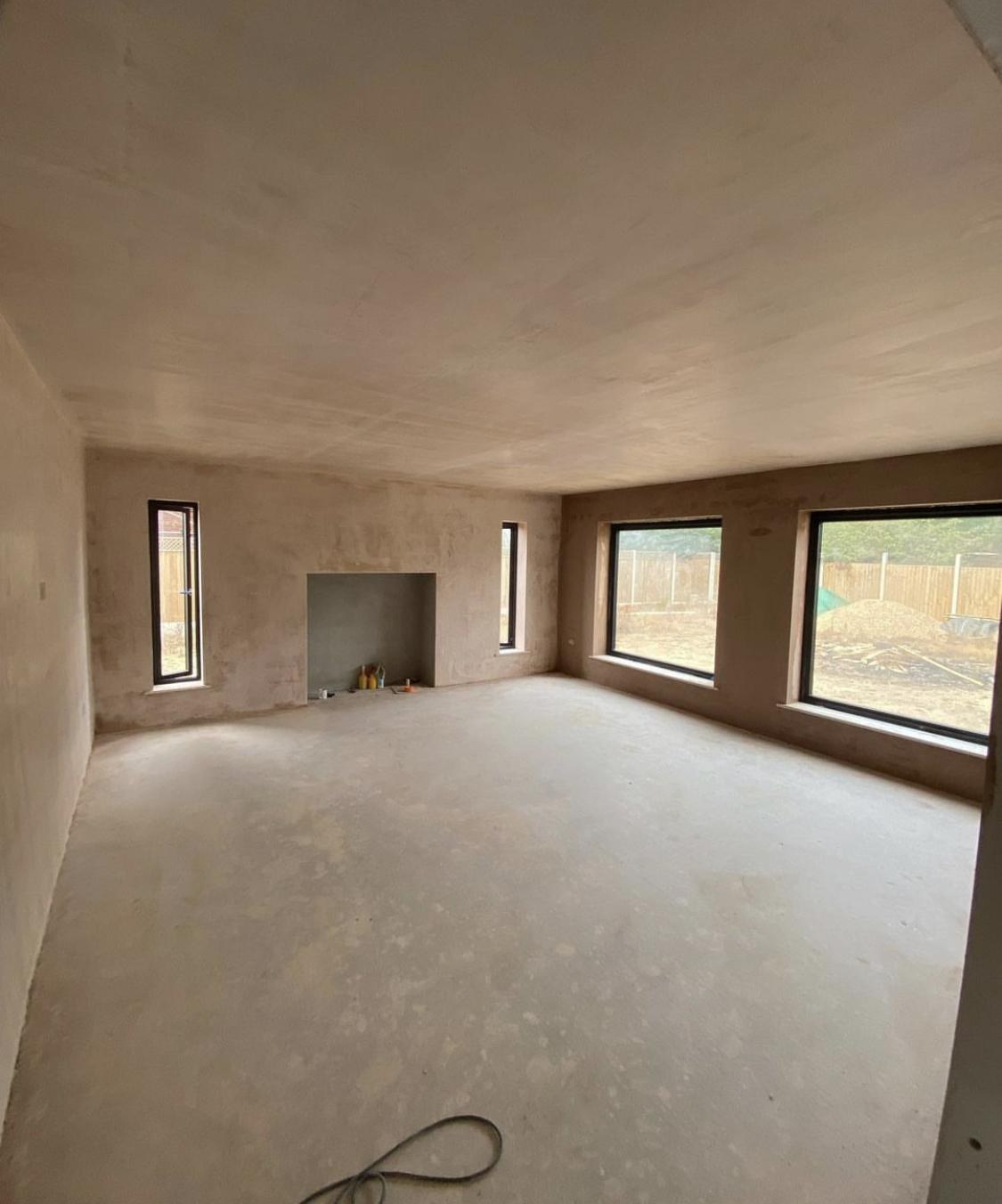
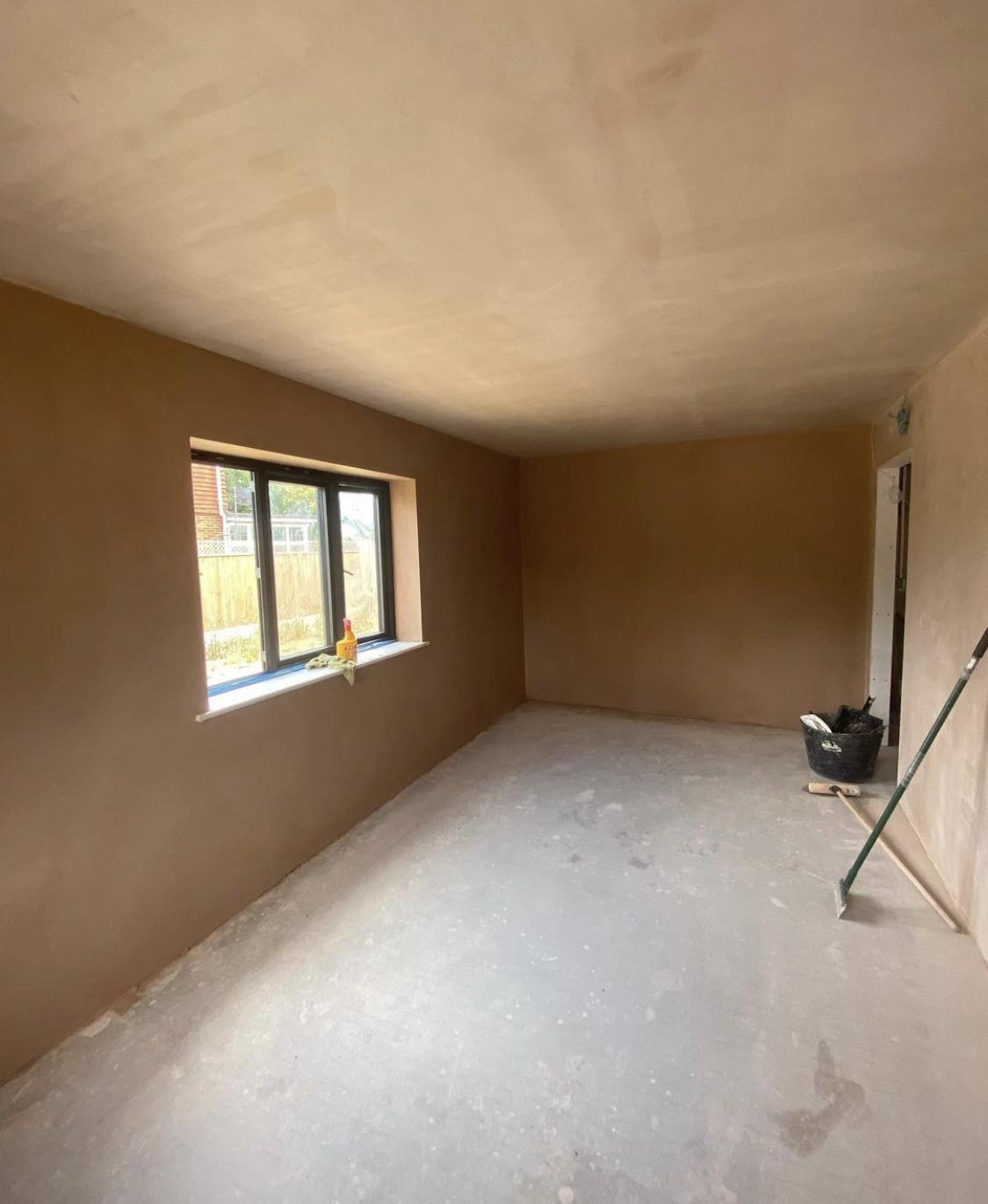
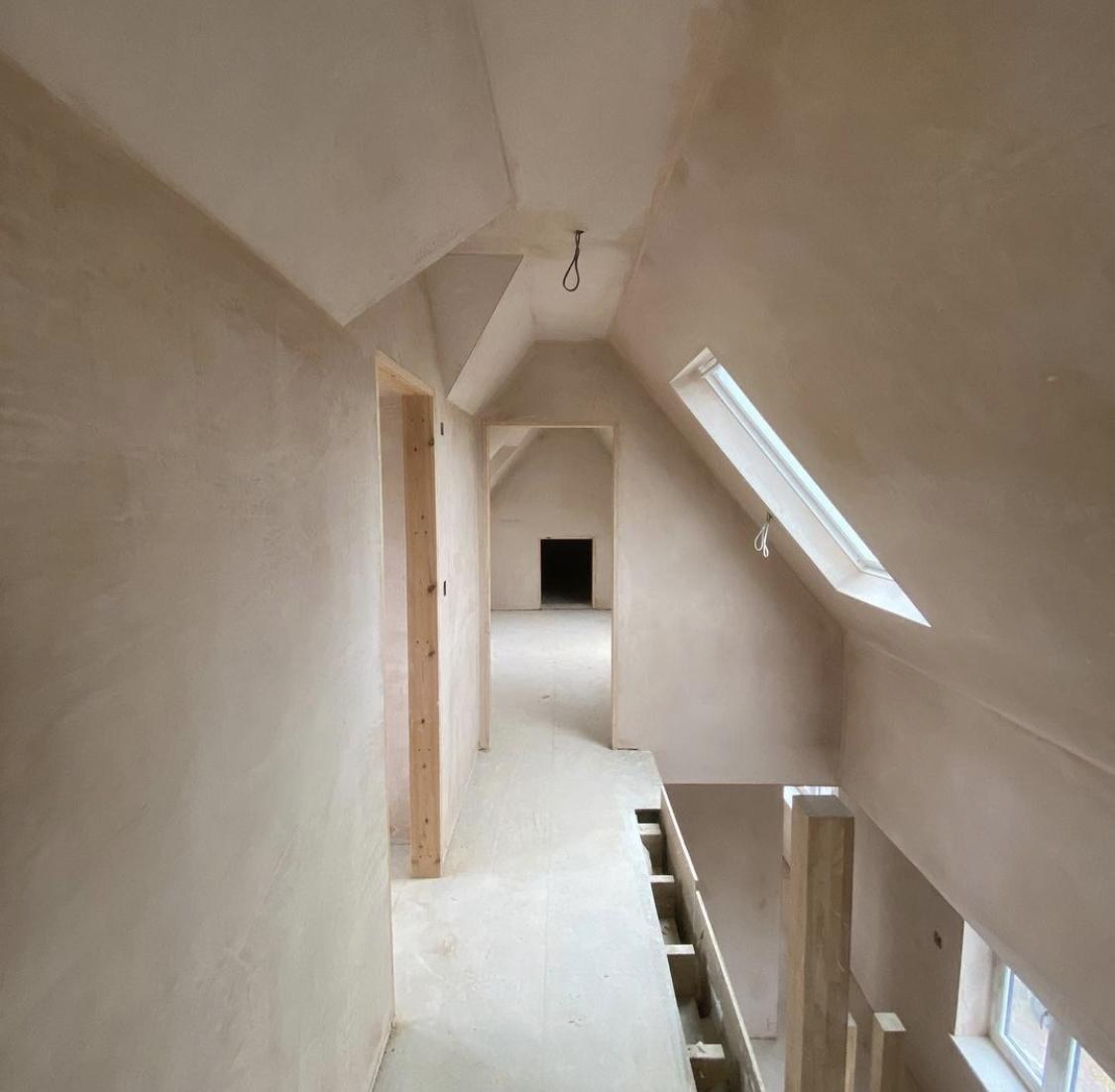
Our plaster finish is completed in two coats using British Gypsum products. Two coats give the finish enough body to flatten out small imperfections and leave a surface that is ready for decorating once it has dried, rather than a thin skim that shows every board joint and old repair underneath.
Skimming over existing surfaces
Most of the plastering we carry out in homes is skimming: a fresh finish applied over an existing surface. It is the usual answer when walls are covered in old repairs, when decades of paint have built up, or when a ceiling has an Artex pattern you would rather live without. We skim over:
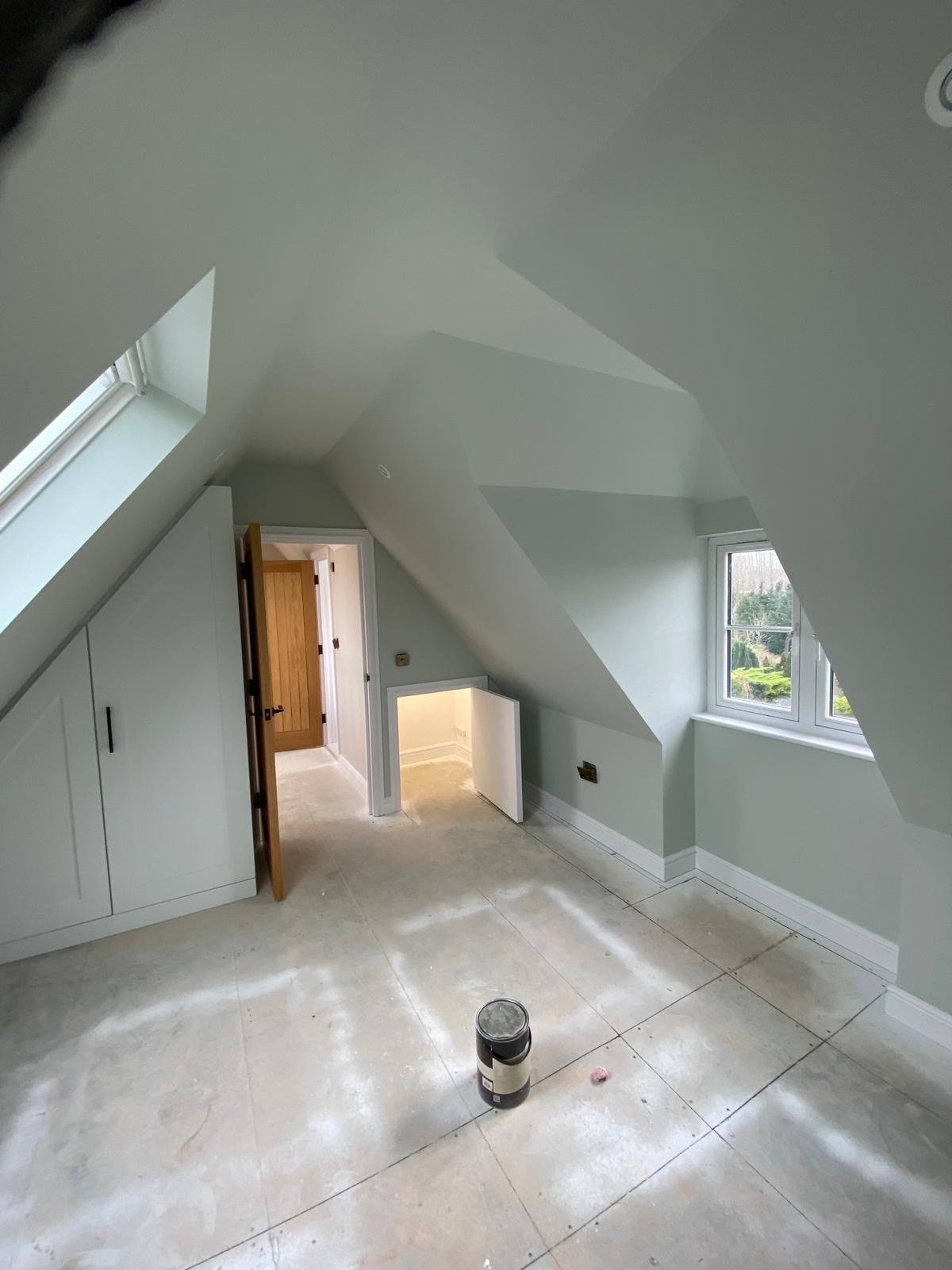
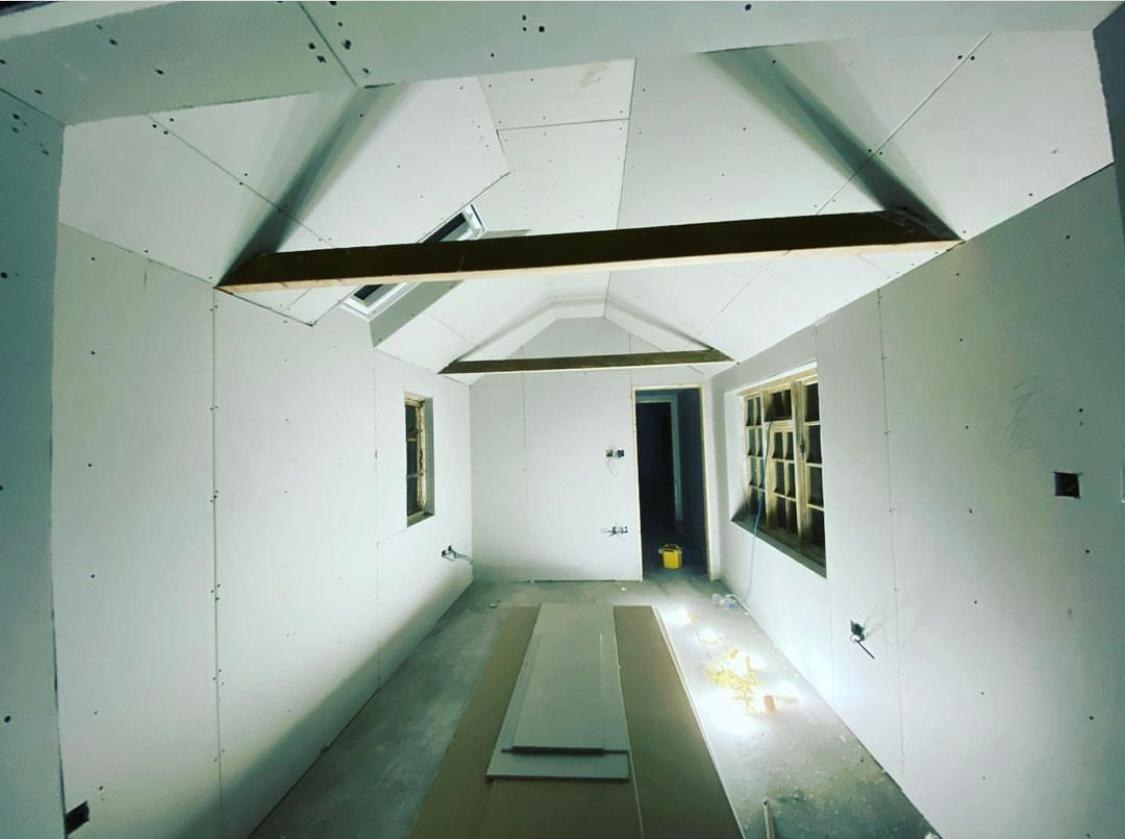
- plasterboard, including new boards in extensions and lofts
- Artex and other textured finishes
- existing plaster that is sound but marked or uneven
- sand and cement render on internal walls
Before any skim goes on, the background has to be sound. Loose or blown plaster comes off first, cracks and gaps are filled, and damaged corners are beaded so the finish coat has something solid and straight to work to. That preparation is most of what separates a wall that still looks flat in five years from one that cracks along the old lines within months.
Floating and solid plastering
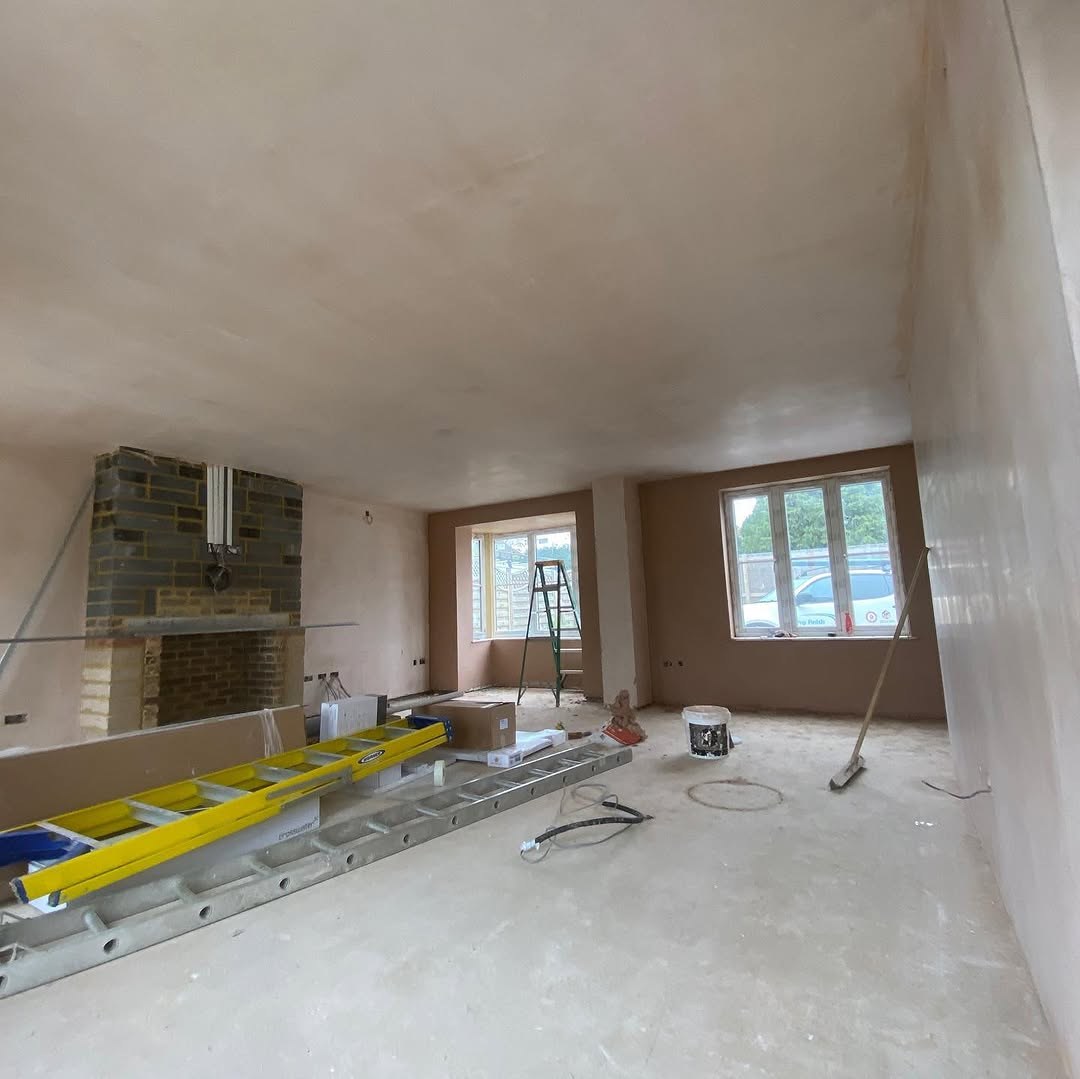
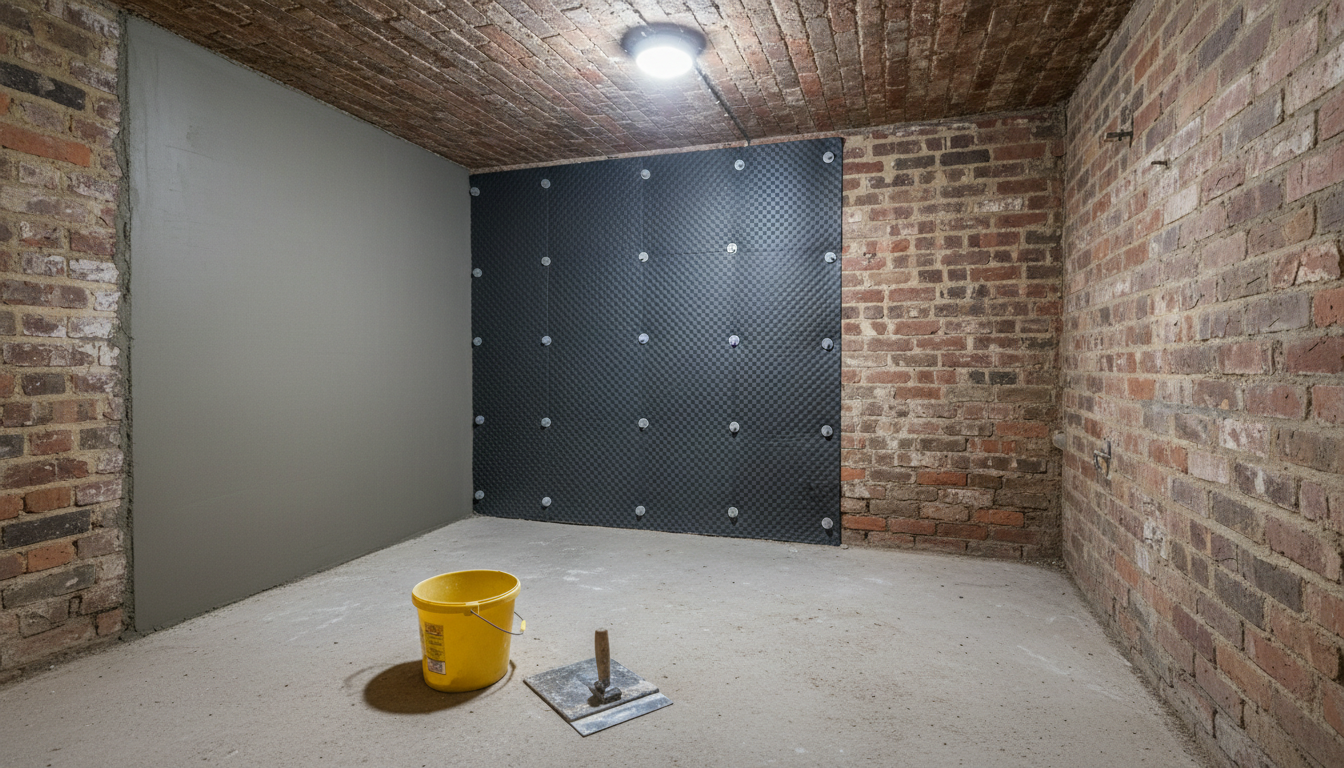
Where the wall underneath is bare brick or block, or the existing plaster is too far gone to keep, it needs floating. Floating, usually called float and set, is a backing coat applied and ruled flat, followed by the finish coat. It is how damaged walls in older properties are brought back to true, and how new blockwork in extensions and new builds is plastered.
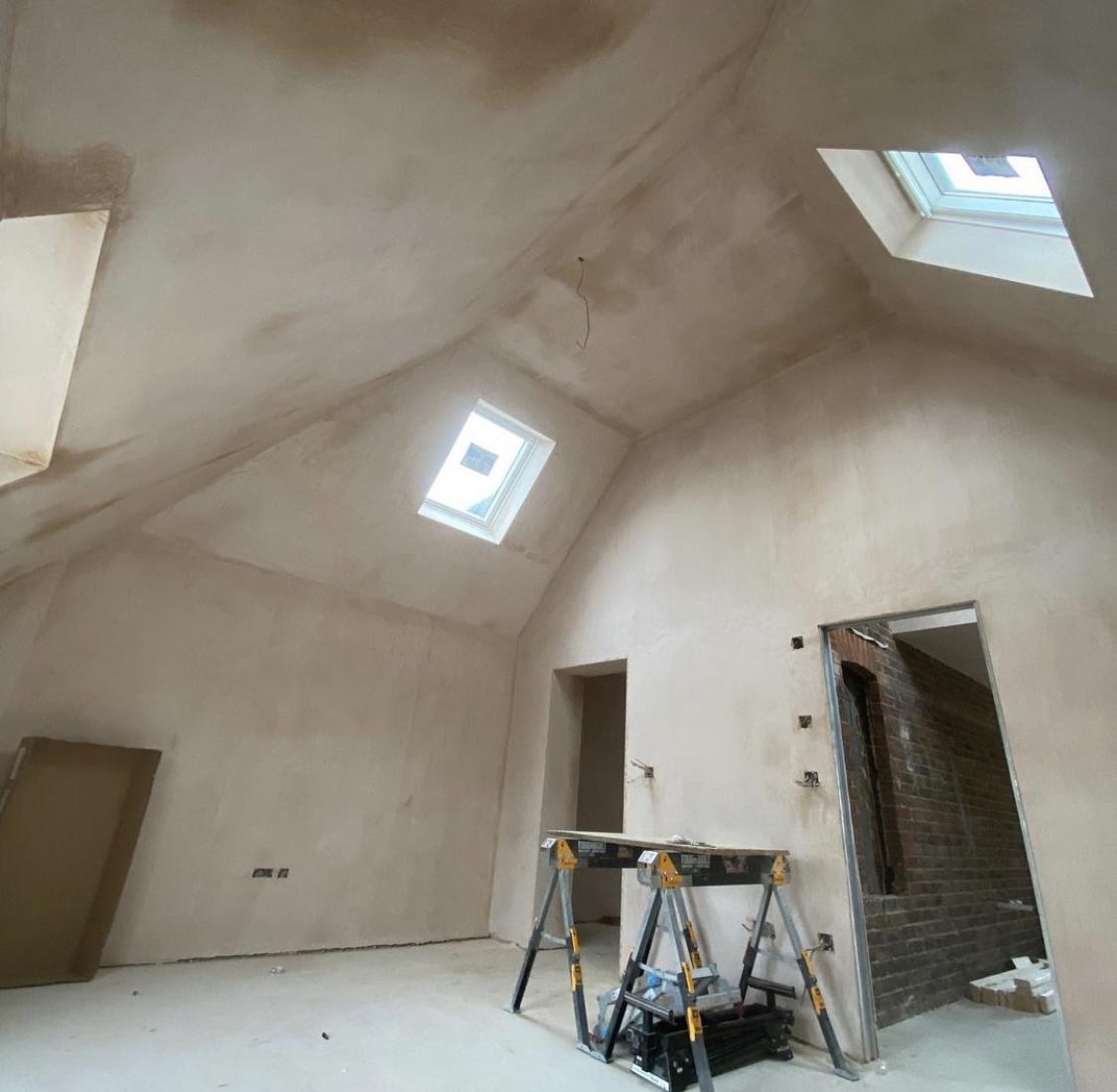
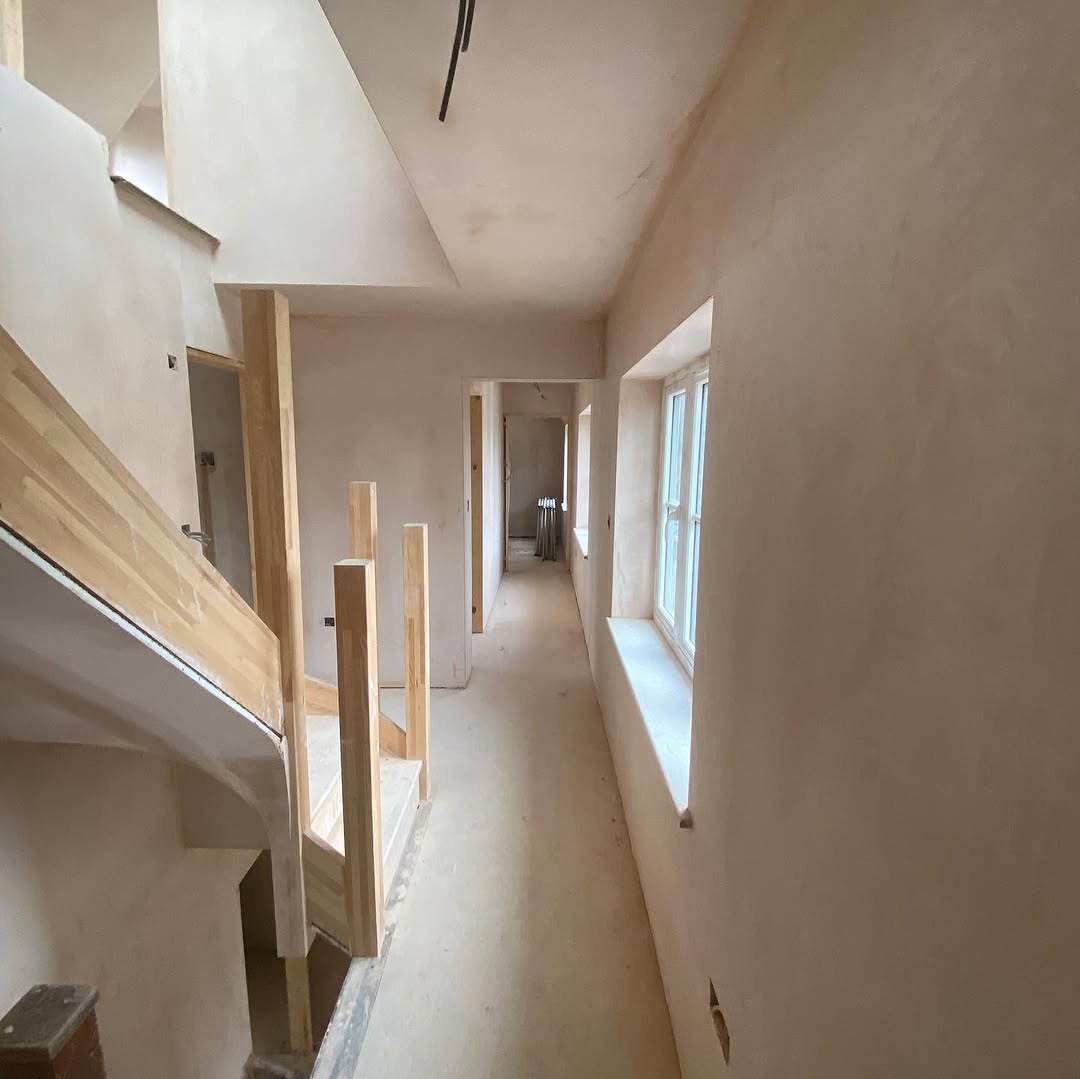
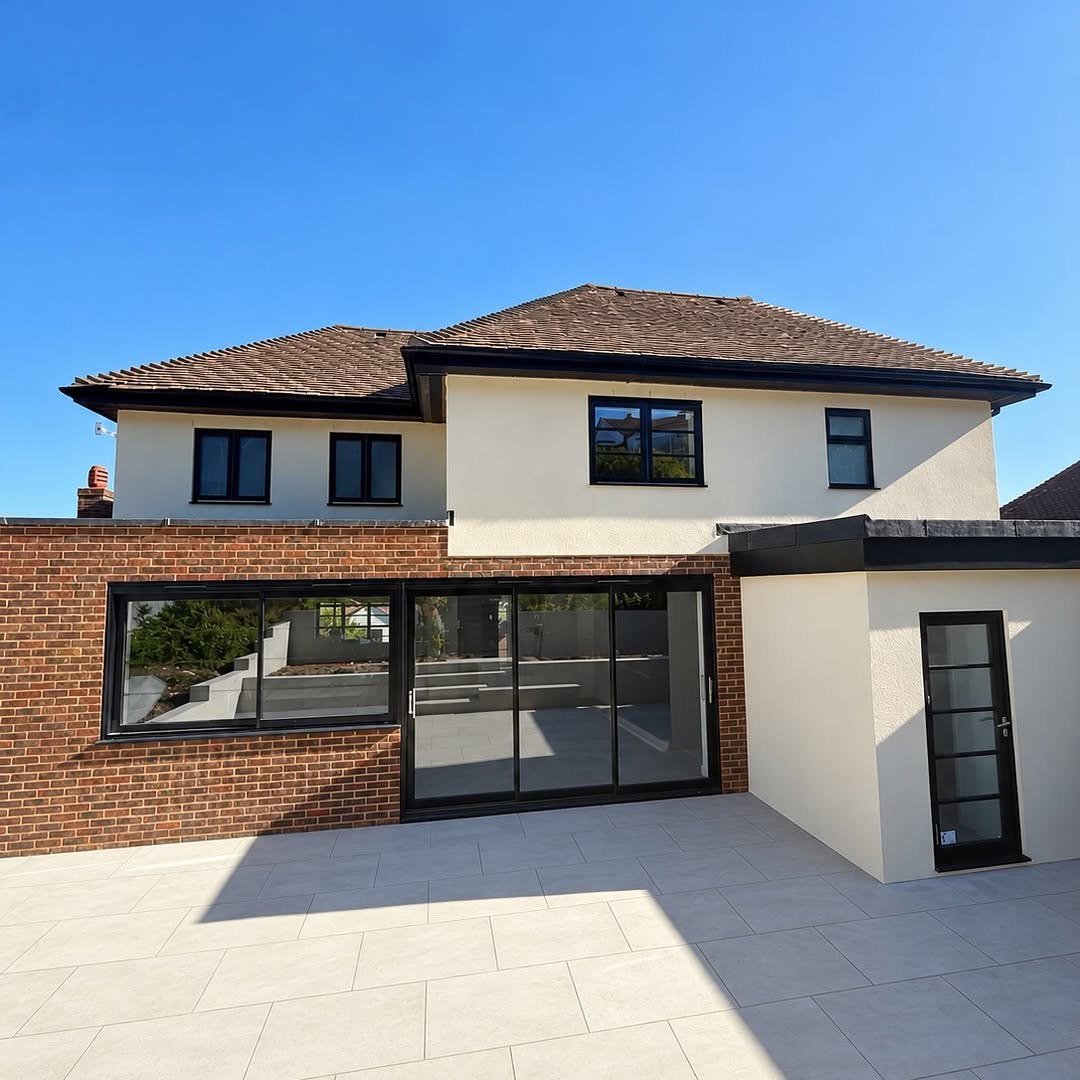
We complete all floating works, whether that means a whole room onto existing brickwork or a patch repair where a section of wall has been hacked off. On our Hurst Road project in Hassocks, damaged existing walls were levelled out using the float and set method, and the block work extensions were floated and set before the whole property was plastered. On a six bedroom new build at Aldwick Bay, all ground floor walls and the first floor external block walls were solid plastered before every wall and ceiling was skimmed.
Patch repairs
Not every job is a whole room. After a rewire, a new boiler, a leak or a kitchen refit, there are often chases, holes and damaged sections that need making good. We carry out patch repairs on all backgrounds and finish them flush with the surrounding wall, so the repair disappears once the room is decorated.
Homes, developers and commercial work
Our highly skilled team works in both the domestic and commercial sector. In homes, that means refurbishments, extensions, loft conversions and individual rooms. For builders and developers, it means plastering whole properties on new builds and renovations, working alongside the other trades on site.
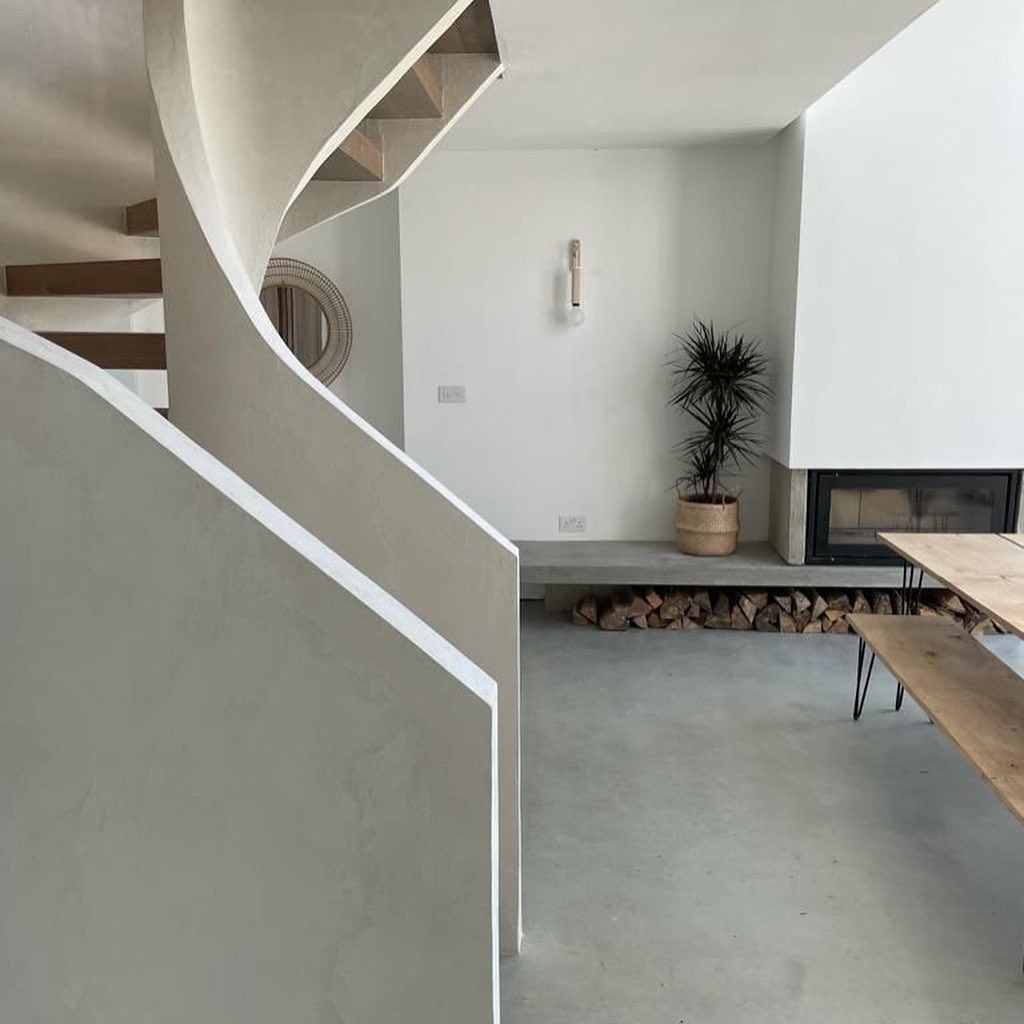
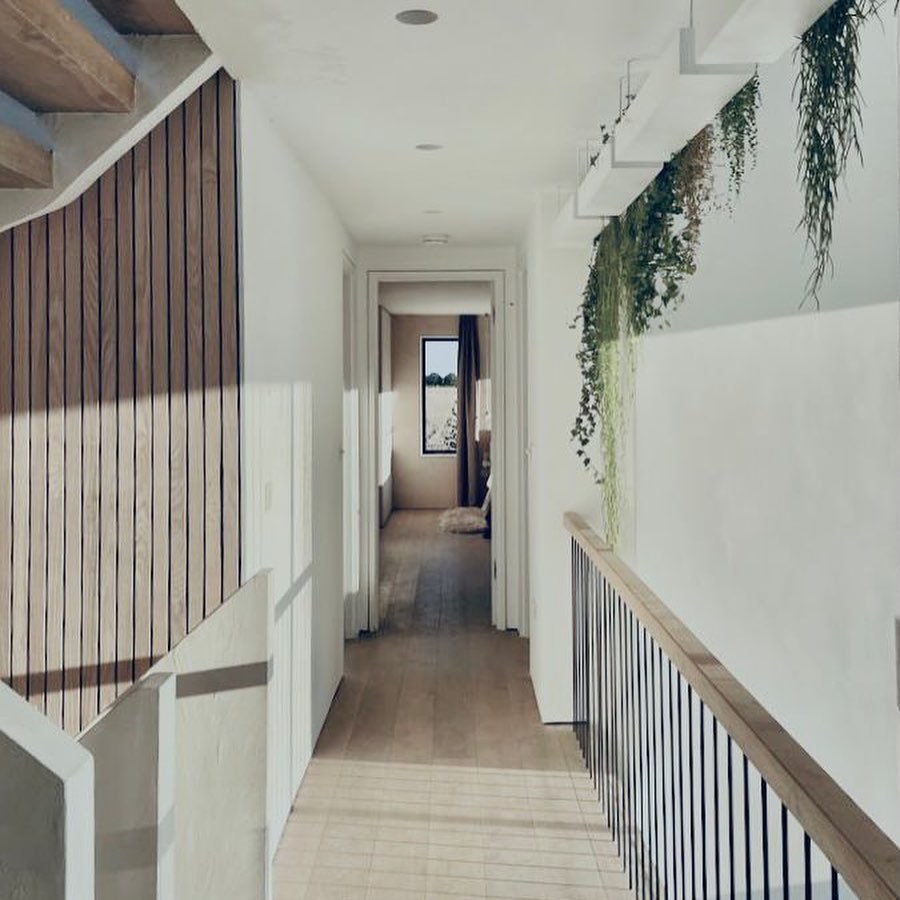
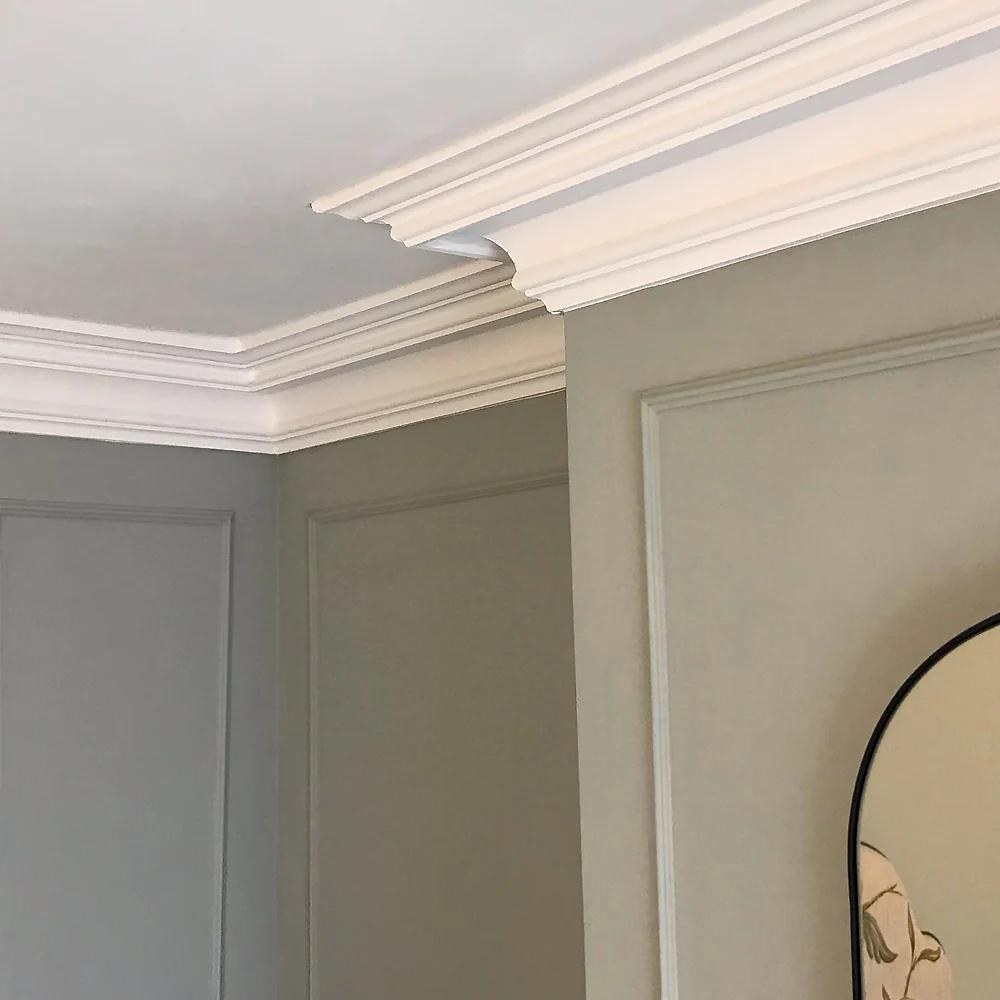
Some of our work goes well beyond plain walls. On a country home in Bosham, our scope included shadow gap edge beads in place of architraves and plaster-in LED profiles, details where every edge is on show and there is no trim to hide behind. Our projects page describes that job, along with Hurst Road and Aldwick Bay.
Plastering, step by step
A plastering job usually follows the same order:
- Look at the job. A visit, or a few clear photos, shows the backgrounds, the condition of the walls and anything that needs removing first.
- Prepare. Floors and fittings protected, loose material removed, beads fixed to corners and reveals, and the surface treated so the plaster bonds.
- Plaster. A backing coat where it is needed, then the two-coat finish, worked to a smooth, flat surface.
- Dry out. New plaster needs time to dry fully before it is painted. Keep the room ventilated and gently warm rather than hot, and start with a thinned mist coat when it is ready.
If you are planning a refurbishment, or you have a room that needs a fresh finish, call us on 07824 165672. Quotes and advice are free and without obligation.