Brighton's hidden water
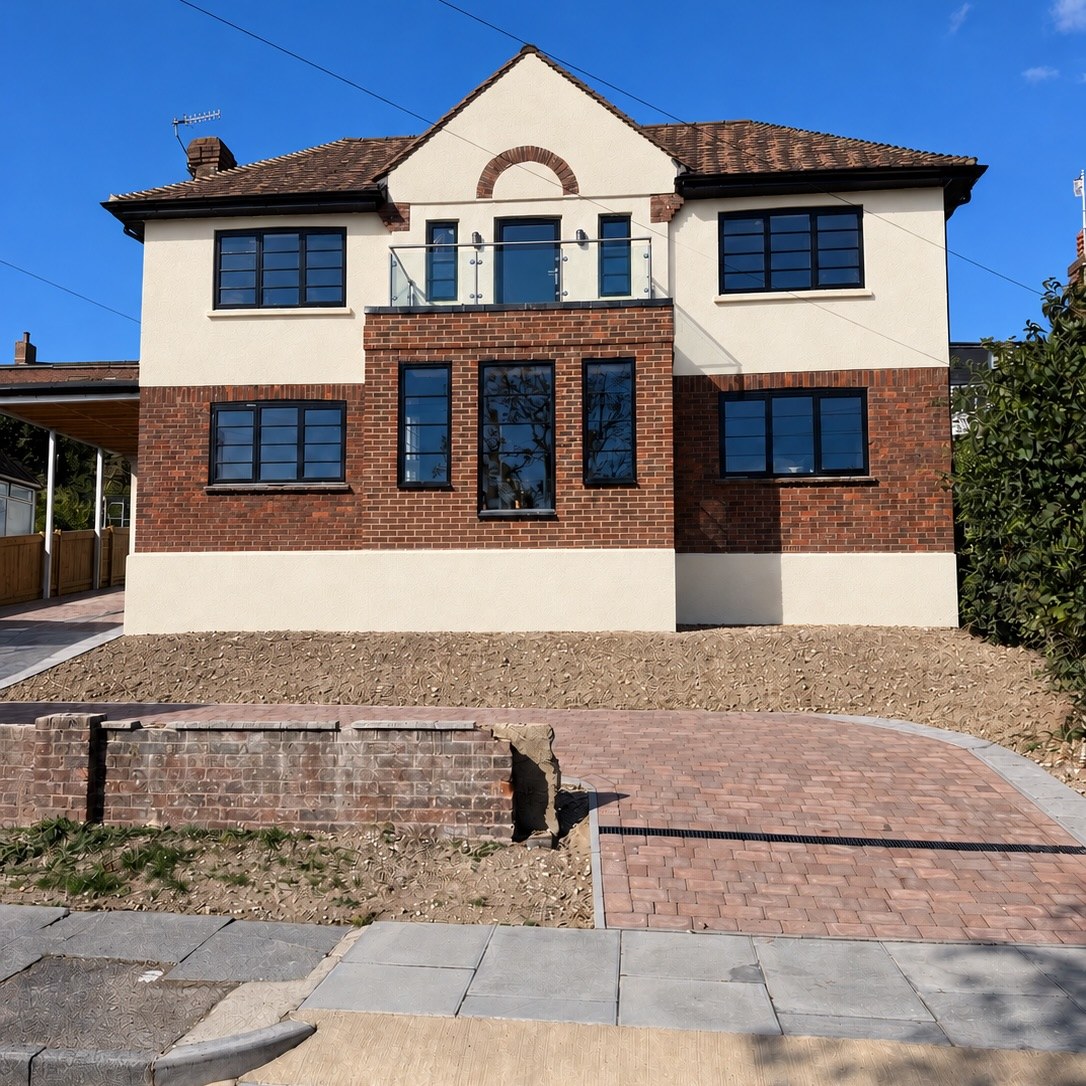
The city grew up around the Wellesbourne, a seasonal stream that ran down from the Downs above Patcham and reached the sea near the East Cliff. It was culverted in 1793 to stop it flooding, and houses and shops were built over the old pond at Pool Valley, but it still reappears now and then after prolonged heavy rain. Most of Brighton stands on chalk, which drains freely, yet the land climbs steeply from the old valley floor, especially on its eastern side. On a hillside street the ground at the back of a house is often higher than the floor inside, and that buried section of wall behaves like a cellar wall, whatever the room above it is used for.
Old walls that soak up rain
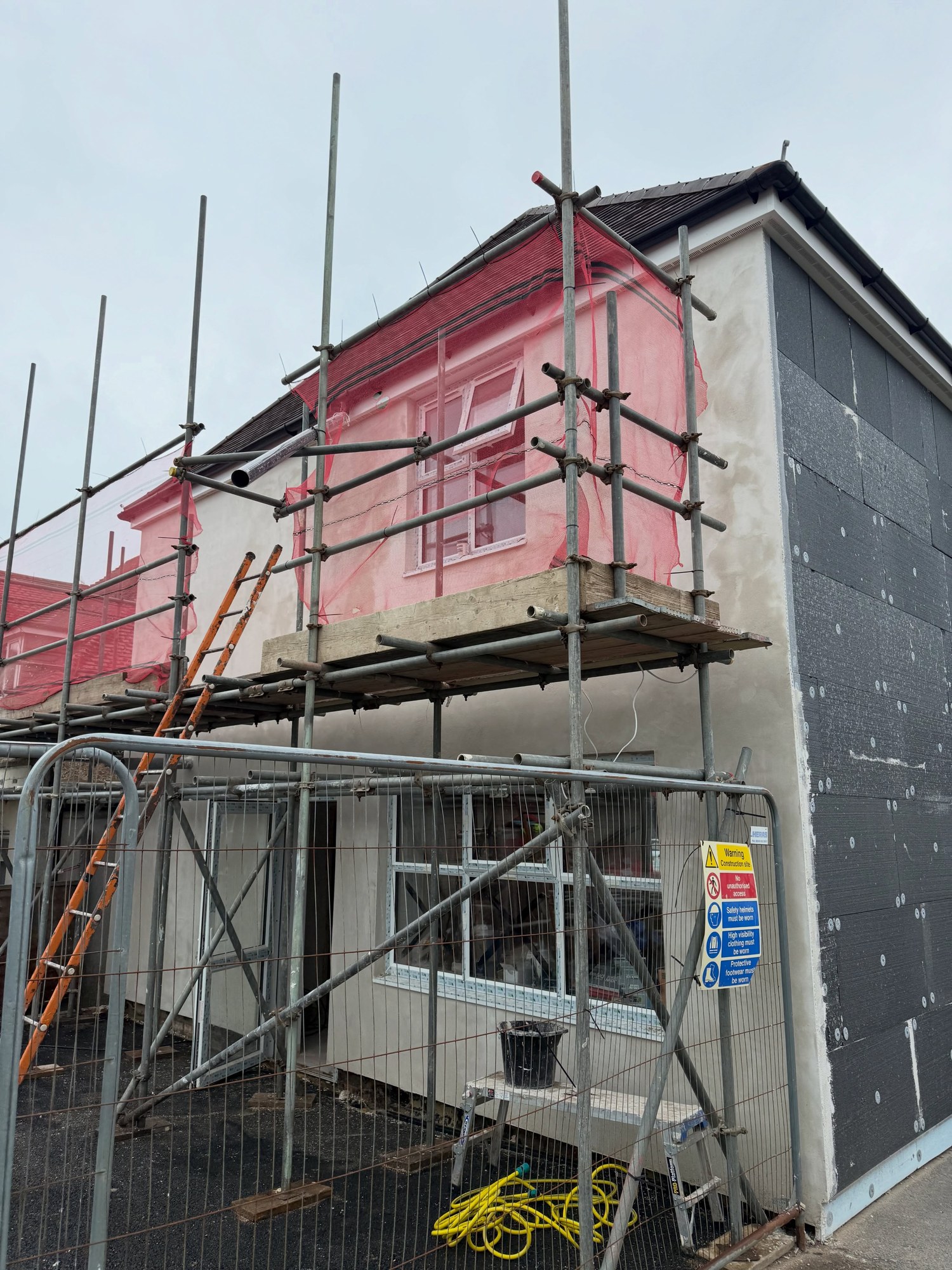
Many early 19th-century houses near the seafront were built in bungaroosh, a lime-bound rubble that has poor water resistance and becomes structurally damp when water gets in. With walls like these, the outside comes first: failed render, blocked gutters and leaking parapets are fixed before anything is done indoors. Brighton & Hove City Council's heritage advice also warns that cement render, tanking and gypsum plaster can trap moisture inside traditionally built walls, which is why treatment has to suit the wall rather than follow a standard recipe. Our page on rendering in Brighton covers the outside repairs.
Rooms below ground level
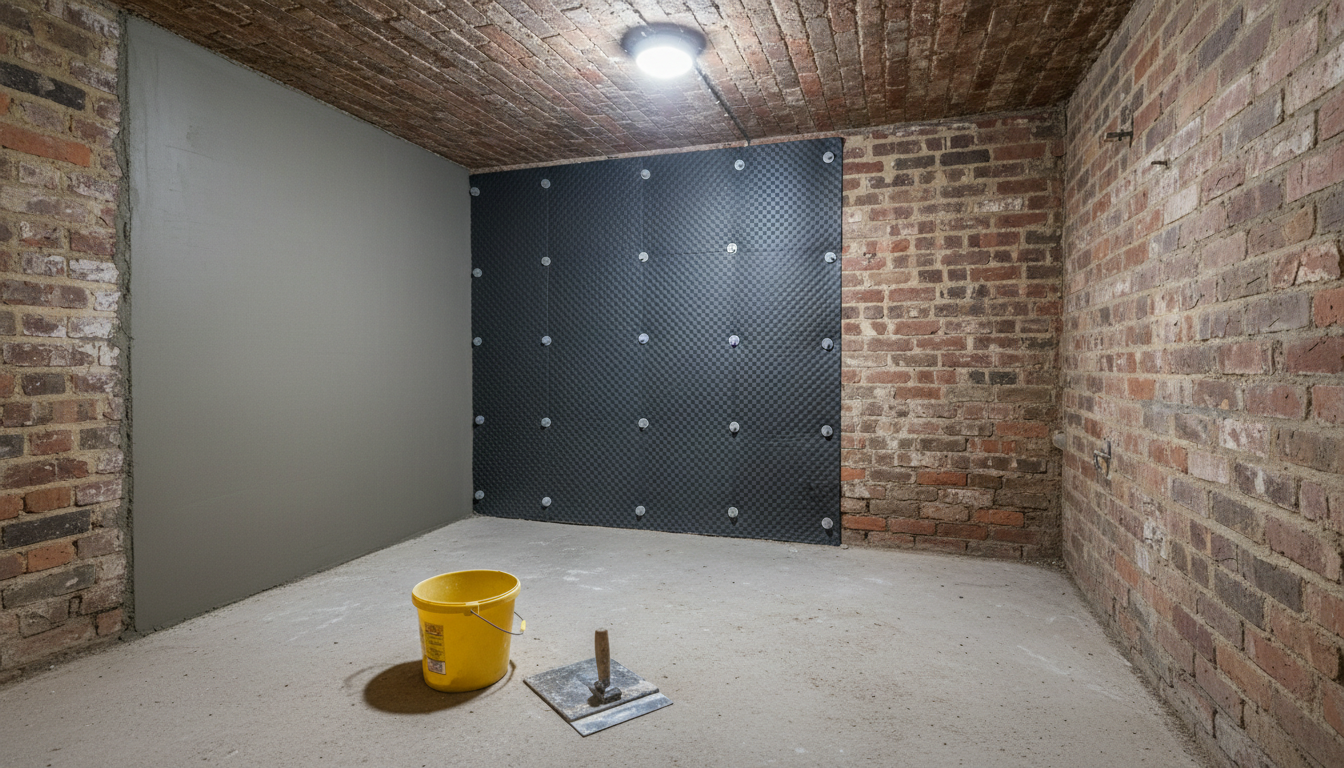
For a room that is genuinely below ground, the wall can never dry from the outside, so it needs a system on the inside face. Depending on the space, that means a waterproof tanking render or coating bonded to the wall, or a studded cavity drain membrane that lets water run down behind it to a drainage point while the room stays dry. The finished wall can then be plastered or dry lined, turning a damp store into usable space.
Rising damp and salts
Where a damp proof course has failed or been bridged, for example by a raised path or render taken down to the pavement, a damp course injection puts a new water-repellent barrier into the mortar at the base of the wall. The plaster above it, usually loaded with salts, is hacked off and the wall is rebuilt; our float and set service in Brighton covers that replastering.
Condensation in flats and shared houses
Black mould in the corners of bedrooms and around windows is very often condensation, especially in converted flats and shared houses where washing is dried indoors and kitchens and bathrooms are small. We carry out mould removal and improve ventilation, and where a cold external wall is the trouble spot, lining it with insulated board raises its surface temperature. Trickle vents left open, extractor fans that actually run, and furniture pulled a few centimetres off outside walls all help, and they are worth trying before any building work.
Before you call, note when the damp gets worse: after heavy rain points to water getting in, while cold mornings suggest condensation. Look at gutters, downpipes and ground levels outside, then send photos of both sides of the wall. Pro Finish Plastering covers every part of Brighton, and our main damp proofing and mould prevention page explains each treatment. Call 07824 165672 for free advice with no obligation.