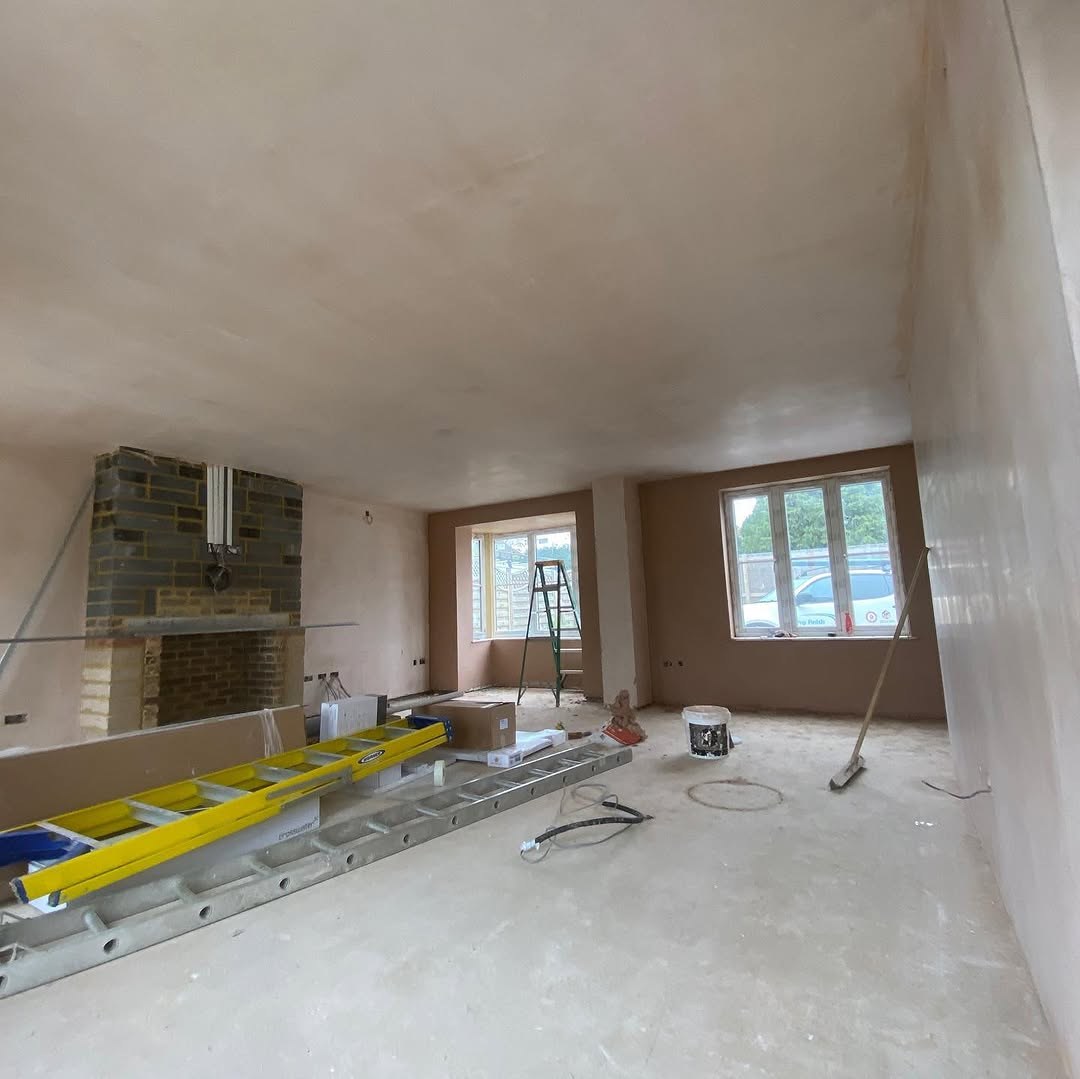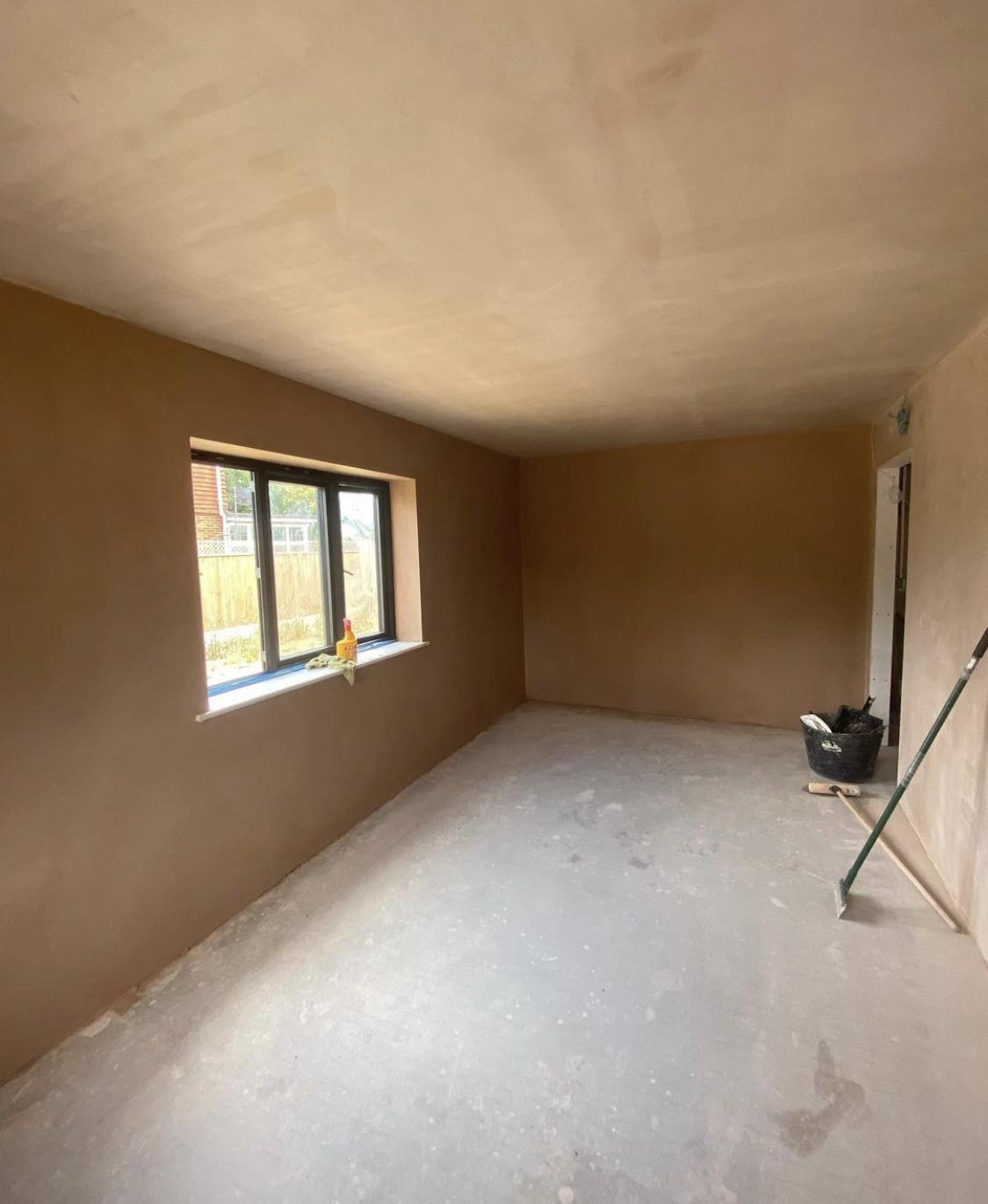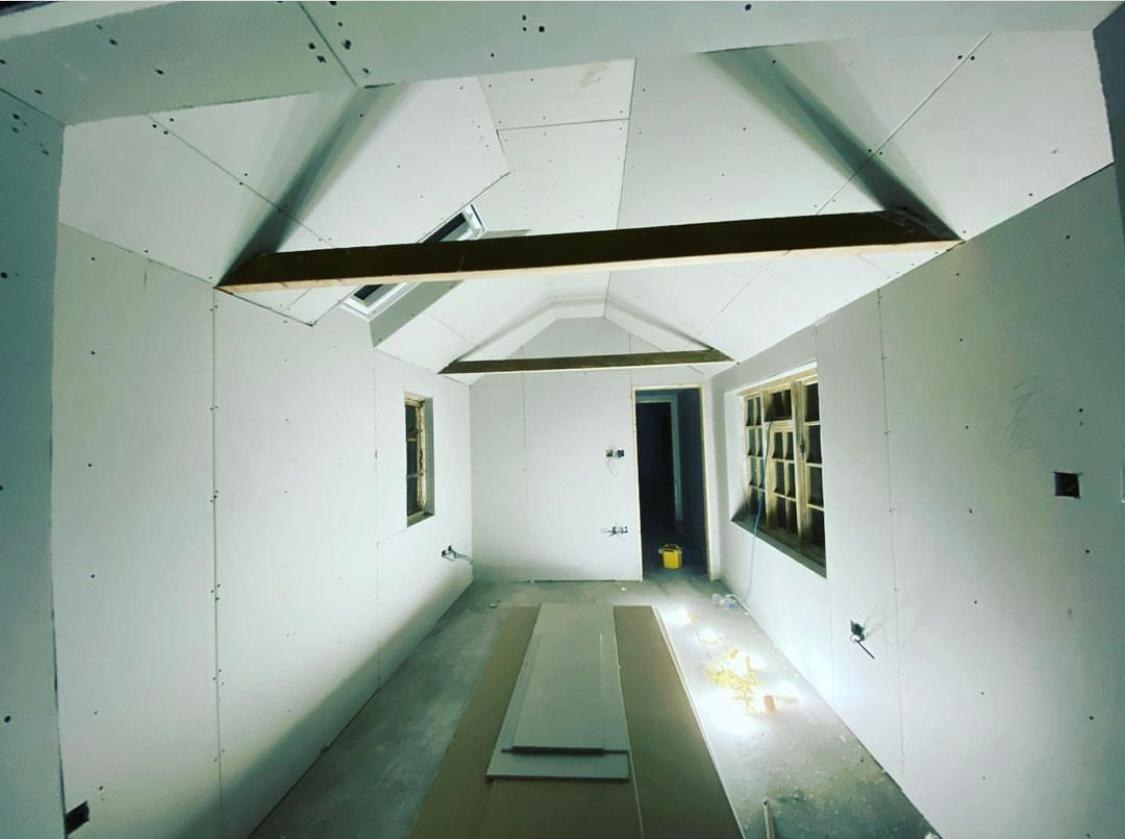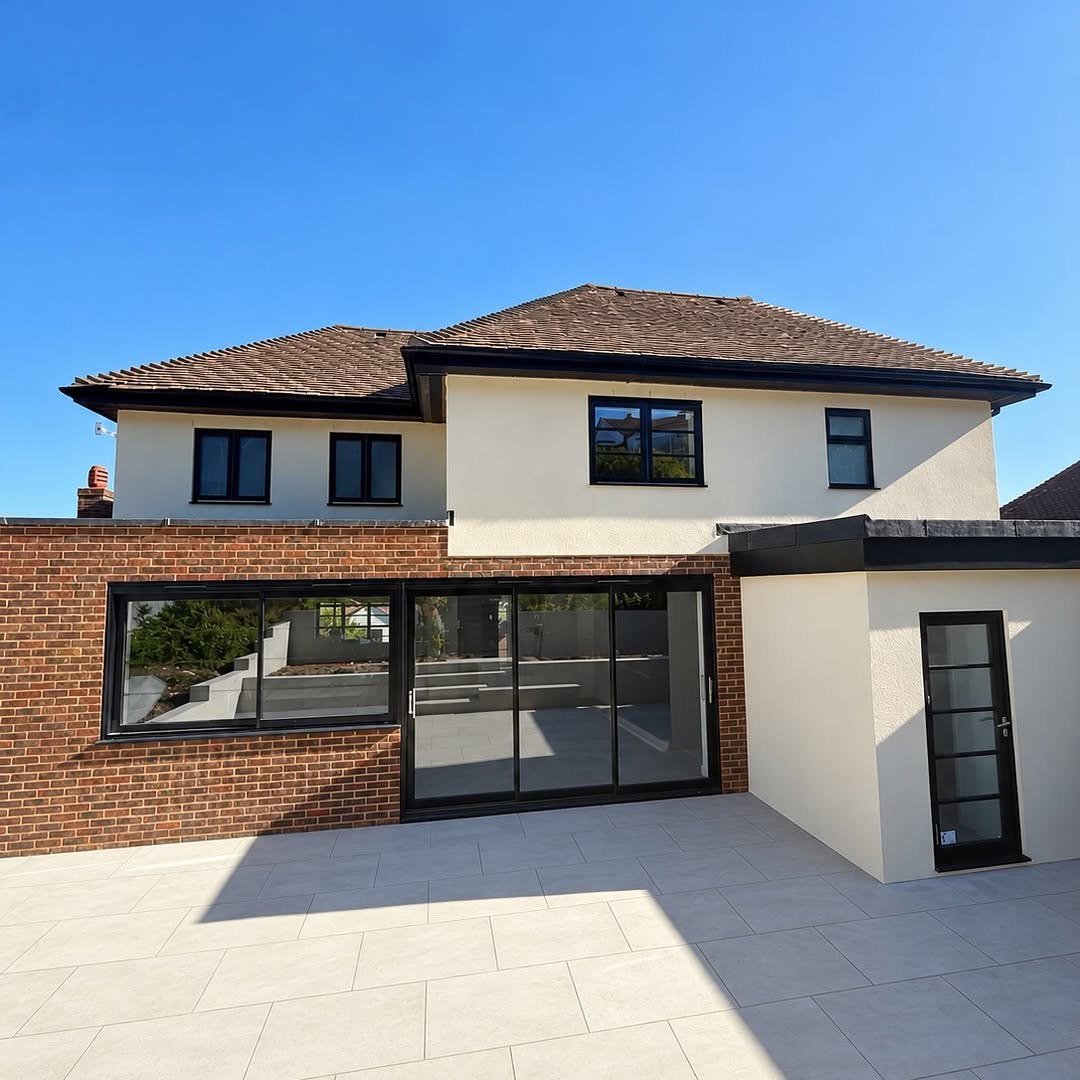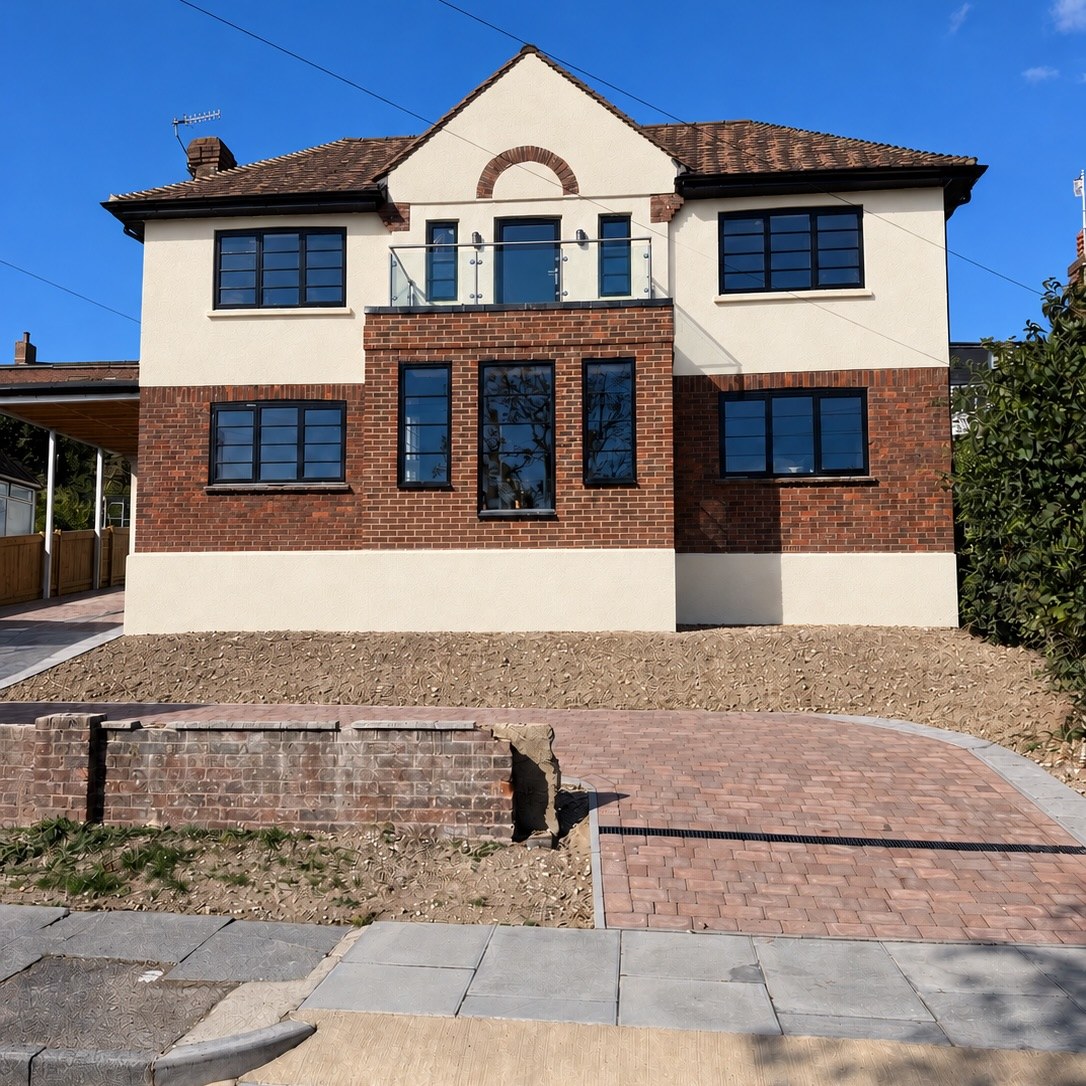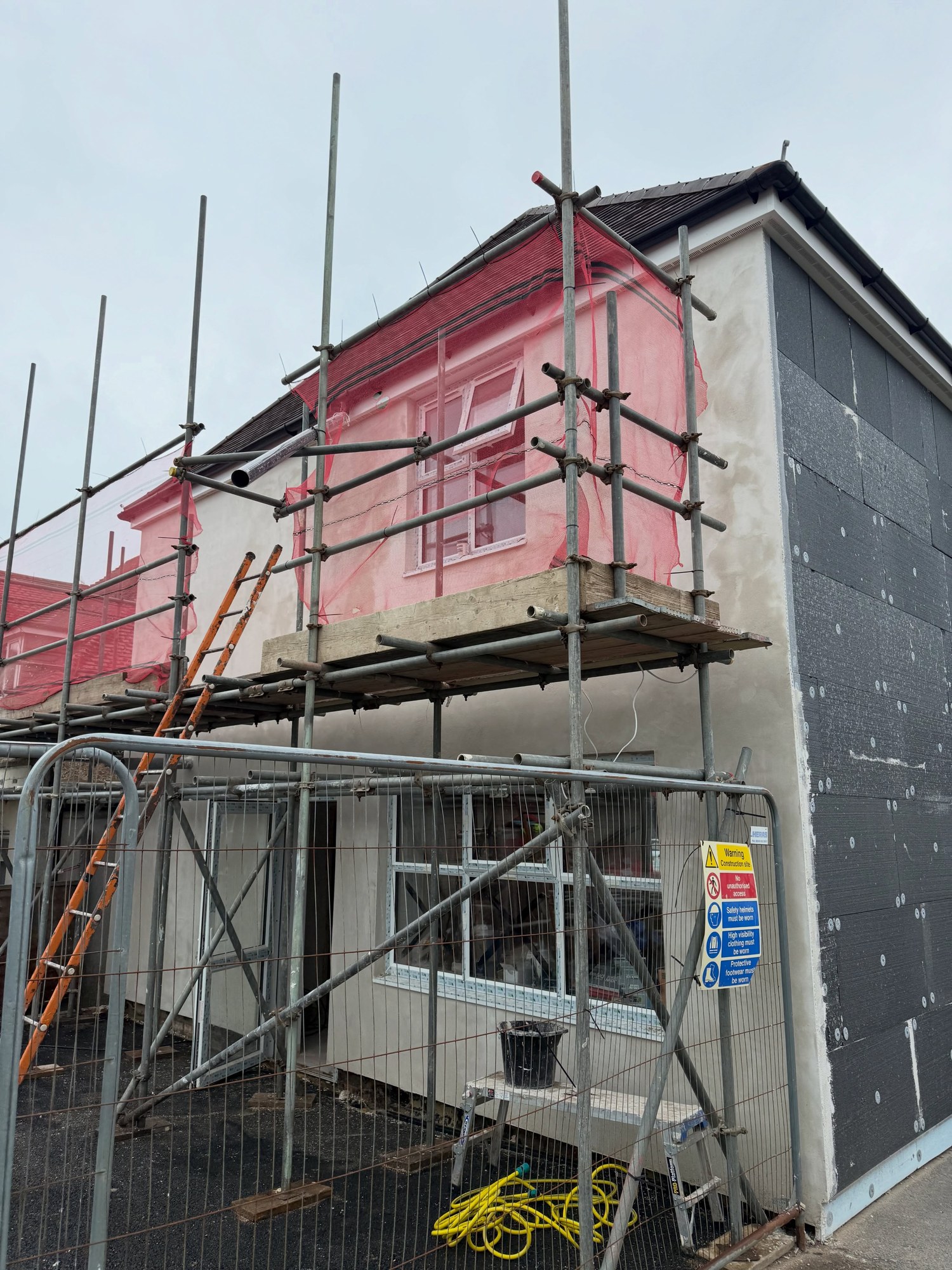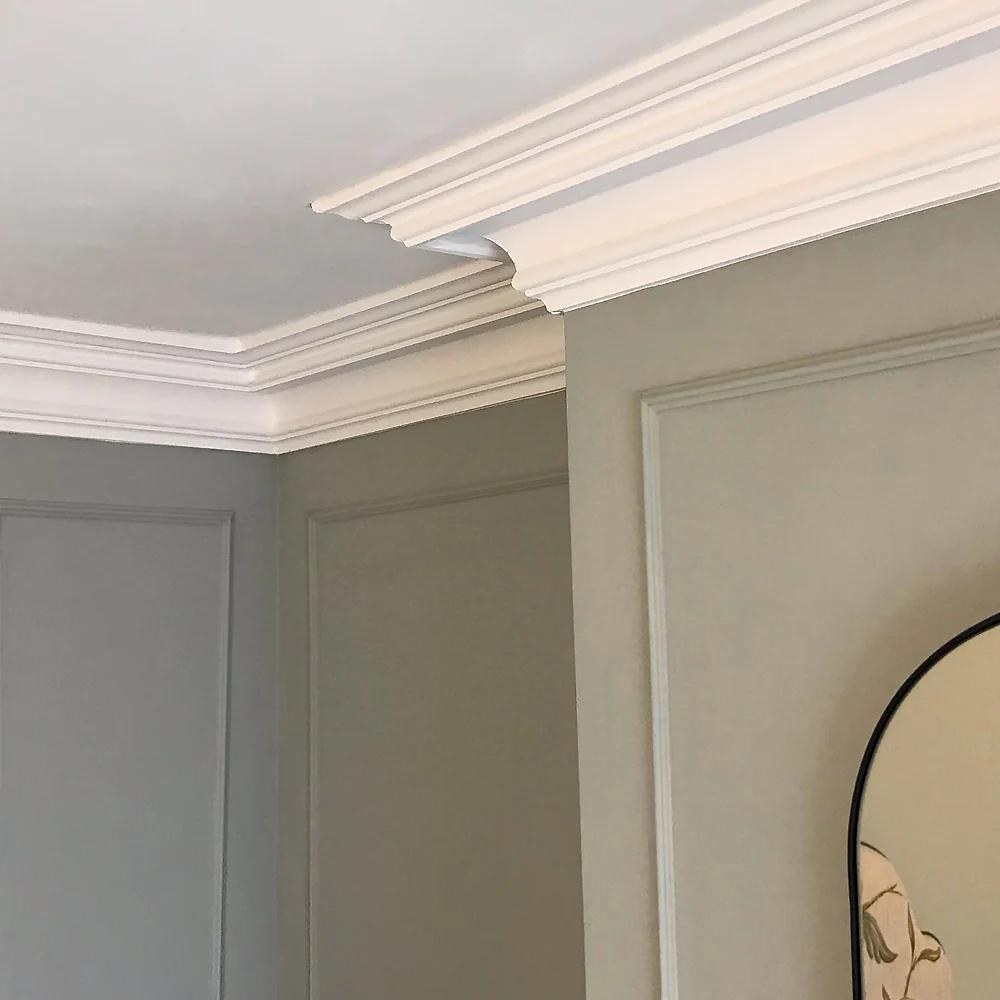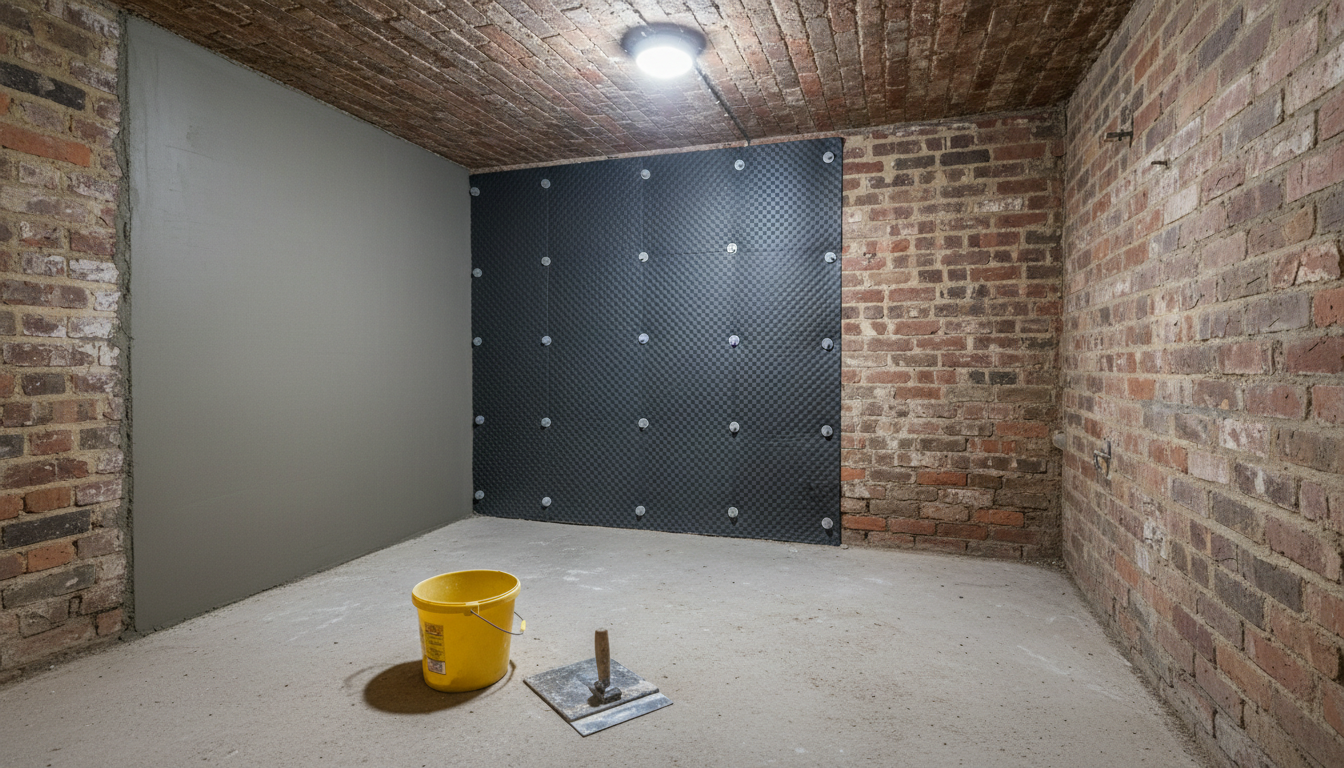
Shoreham's housing reads like a timeline laid out between the railway and the river. The narrow side streets running off the High Street, such as Church Street, John Street and Middle Street, still follow a street grid laid out in the twelfth century, and are lined with small cottages, most of the listed ones dating from the eighteenth century. Further out come two-storey Victorian terraces built for artisans in Queens Place, Ham Road, New Road and the west side of Southdown Road, with larger red-brick Victorian houses on the east side of Southdown Road. Across the footbridge, most of Shoreham Beach's housing is modern, built after much of the earlier settlement was cleared in the Second World War, and north of the town, roads such as Upper Shoreham Road mix bungalows with two-storey houses. A plasterer working here can meet lime on flint in the morning and plasterboard in a new flat in the afternoon.
Matching the approach to the house
In the old town cottages, original plaster is often soft and made with lime, and it moves with walls that were never built to be perfectly straight. A fresh skim can work on sound areas, but the edges of any repair need to be feathered into old work that is uneven by nature, rather than ruled dead flat against it. Patched areas that have blown away from flint or cobble need taking back and building up properly; our page on float and set plastering in Shoreham covers that.
The Victorian terraces usually have solid brick walls under plaster that has been chased, patched and painted for well over a century. Here a skim is the common answer: cracks raked out and filled, loose patches cut back, corners re-beaded, then two coats of British Gypsum plaster trowelled to a flat, paintable finish.
Post-war and modern homes on Shoreham Beach and along the northern roads usually have plasterboard ceilings and often plasterboard walls too. Those take a skim very well, and where an older ceiling carries a swirled pattern, our page on plastering over Artex in Shoreham explains the checks that come first.
Listed cottages and the conservation area
Much of the historic core is in the Shoreham-by-Sea conservation area, and it contains dozens of listed buildings, most of them Grade II houses and cottages concentrated around Church Street and St Mary's Road. In a listed building, replacing historic plaster or altering original features inside can need listed building consent, so if your cottage is listed, speak to Adur and Worthing Councils before any plaster is stripped. Simple redecoration and like-for-like patching are a different matter, and we can talk through what is planned.
Patch repairs, rentals and whole houses
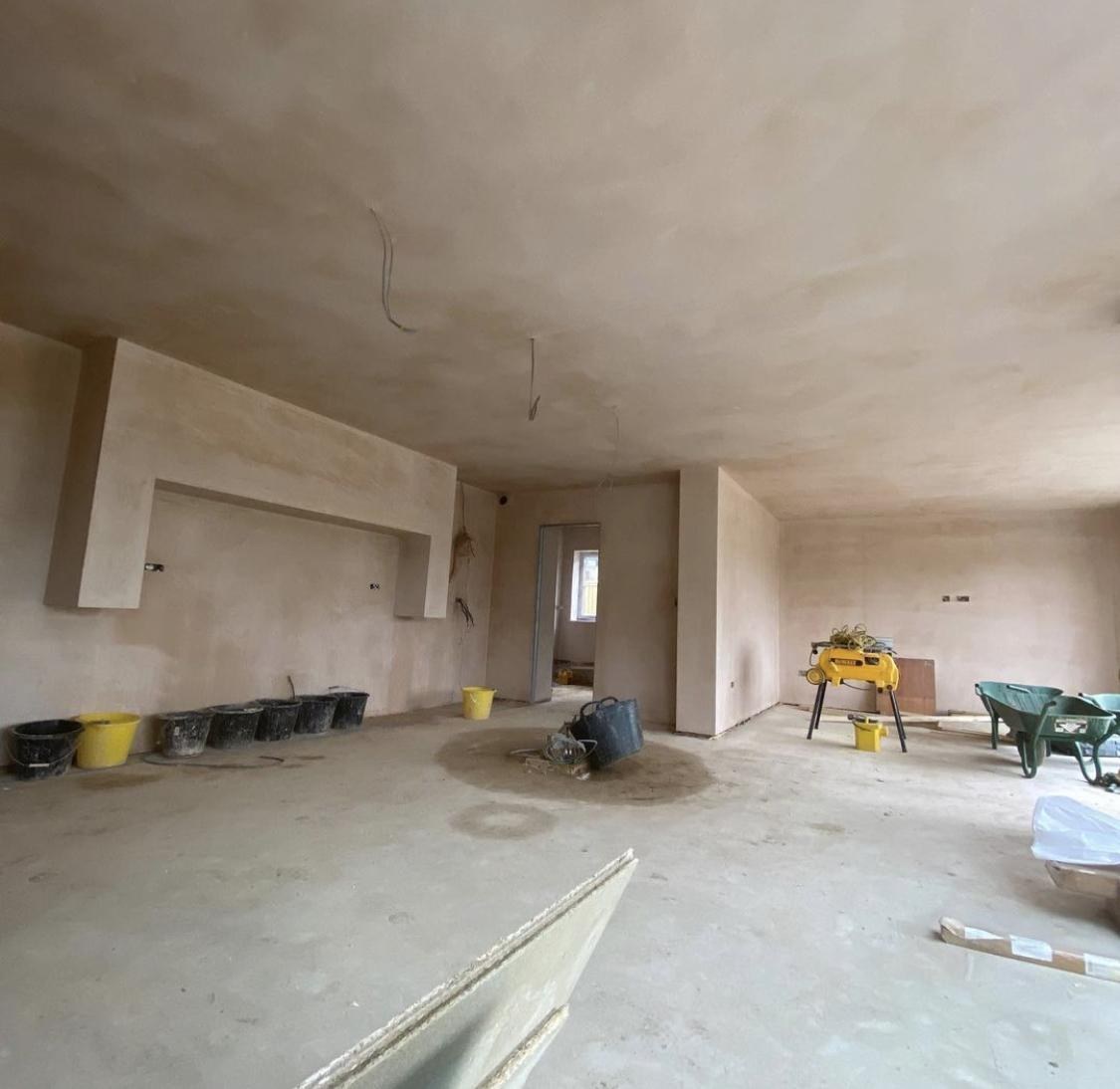
Small jobs are part of the work: making good after a rewire, a new boiler flue or a kitchen refit, or filling chases so the repair disappears under paint. For landlords with flats above the High Street shops, skimming between tenancies freshens walls marked by fixings and filler. For builders and developers, whole houses are plastered alongside the other trades.
Quotes and advice are free with no obligation. Call 07824 165672, see the full plastering and skimming service, or find our other work in Shoreham-by-Sea.