Our Saltdean project
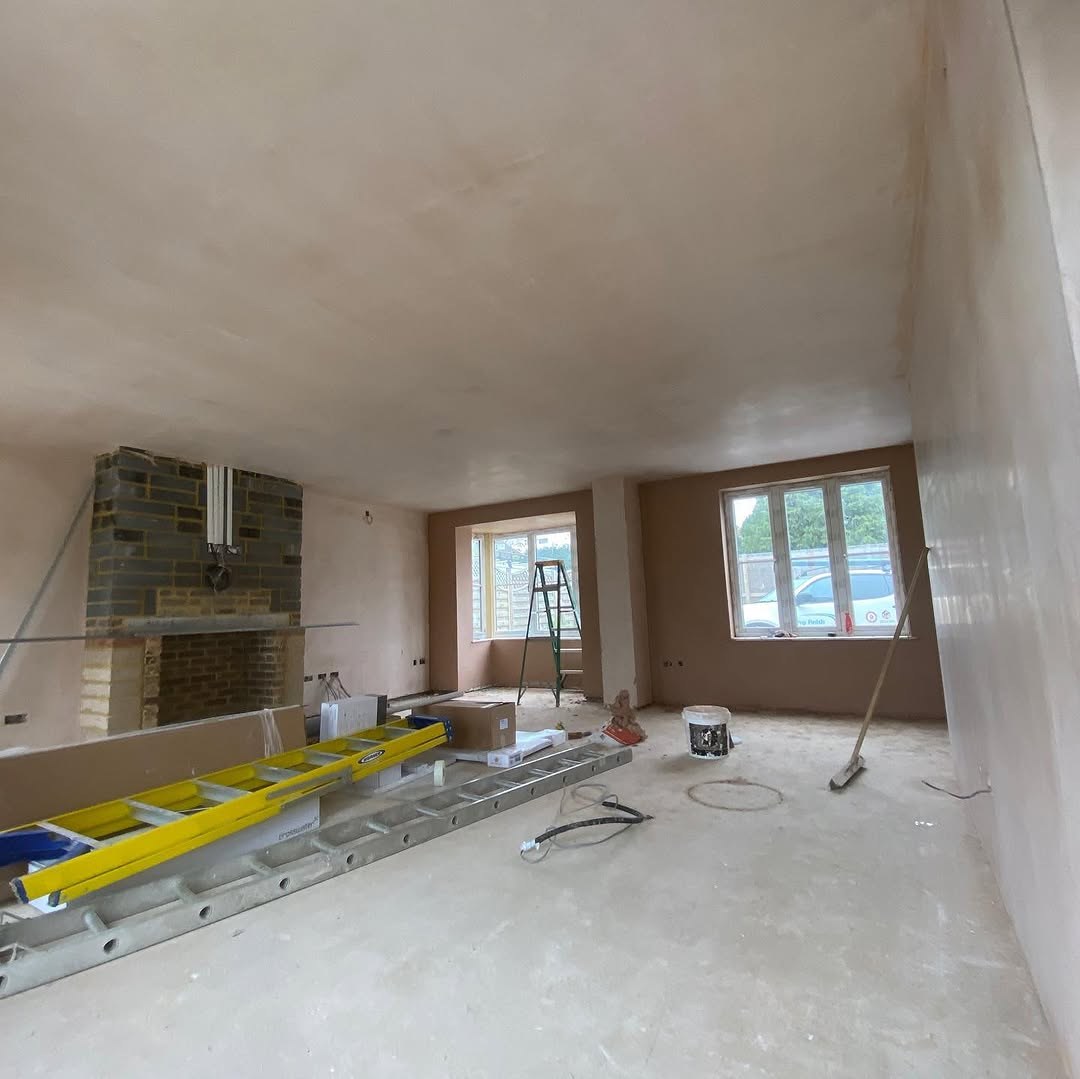
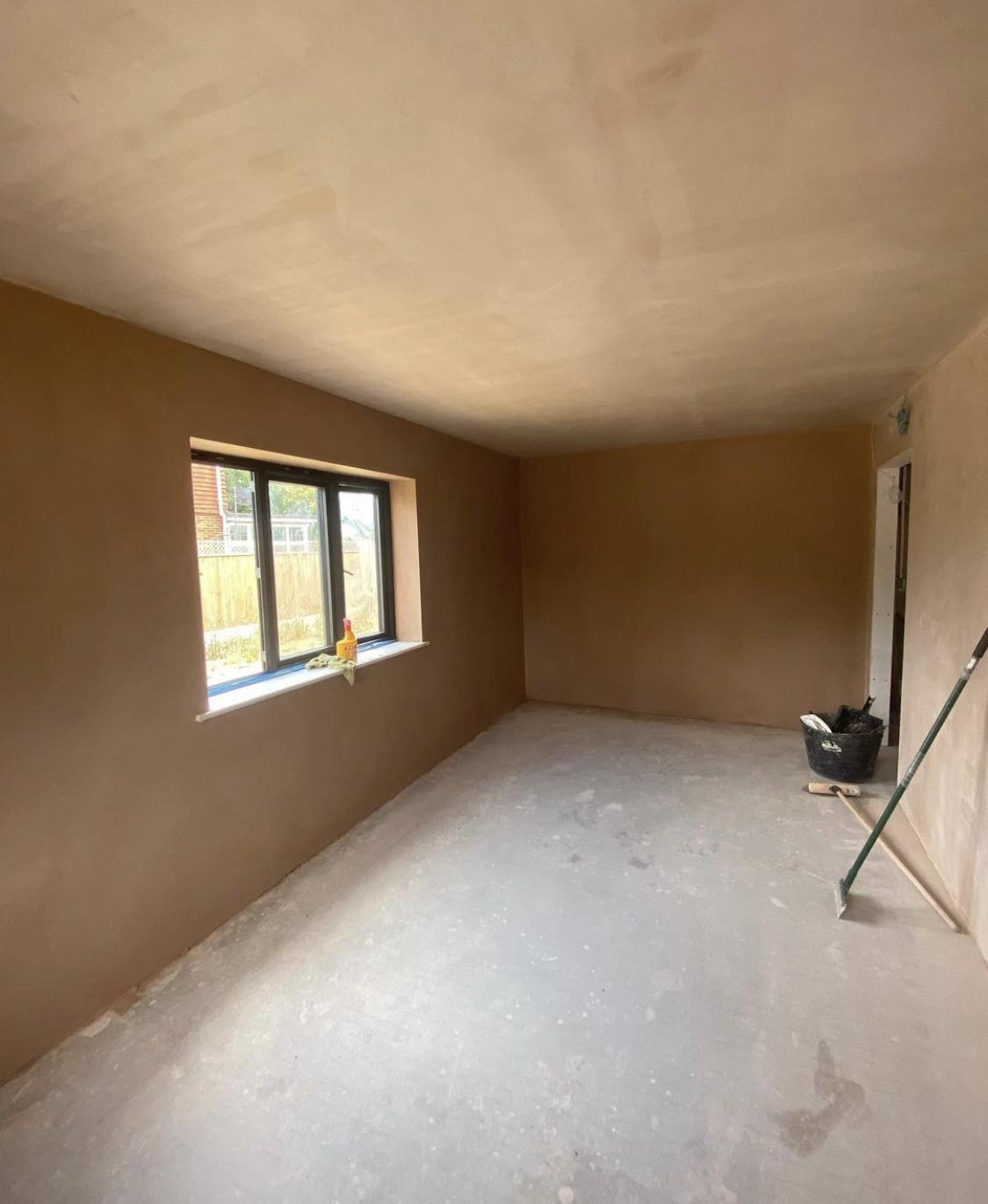
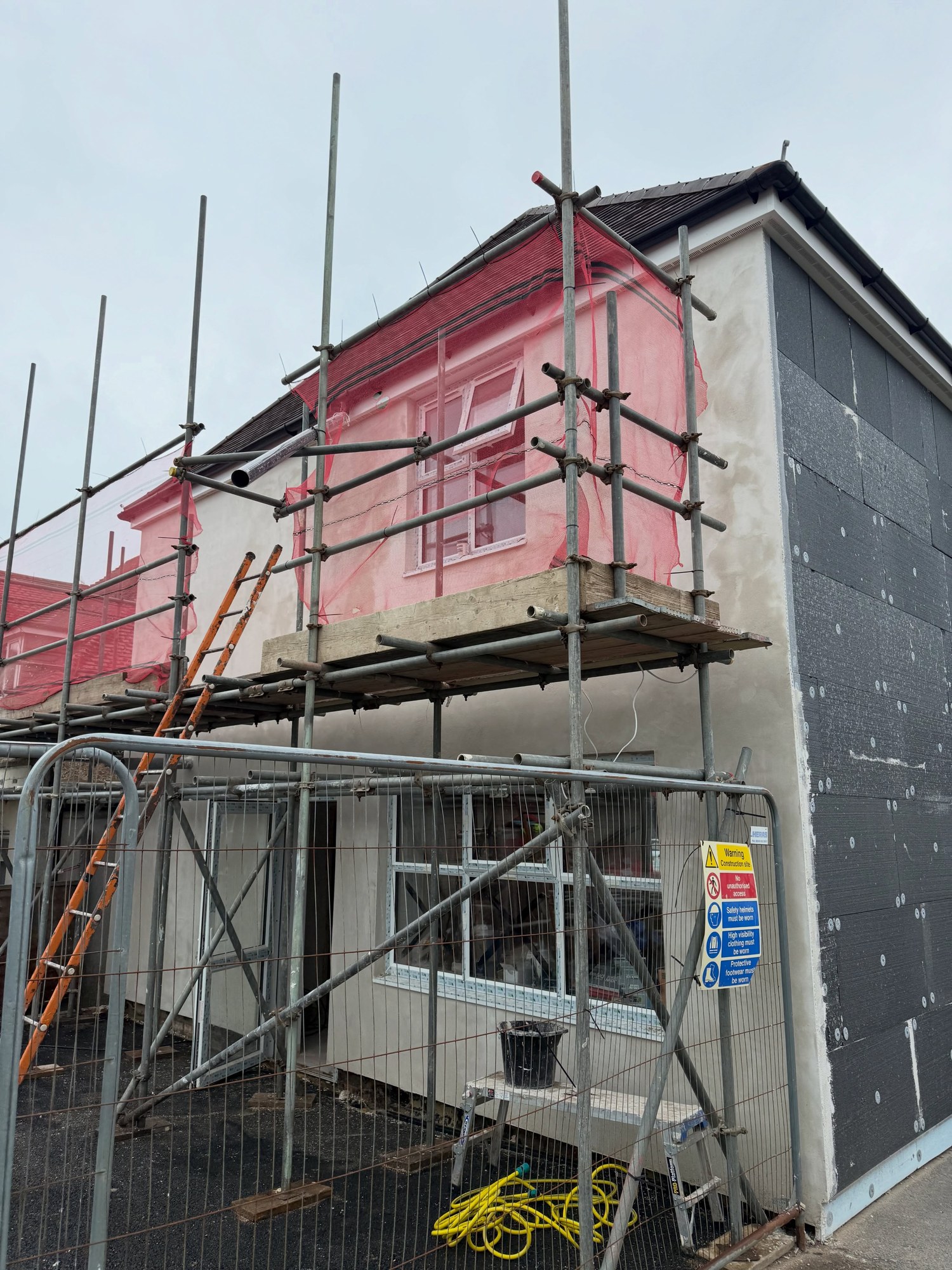
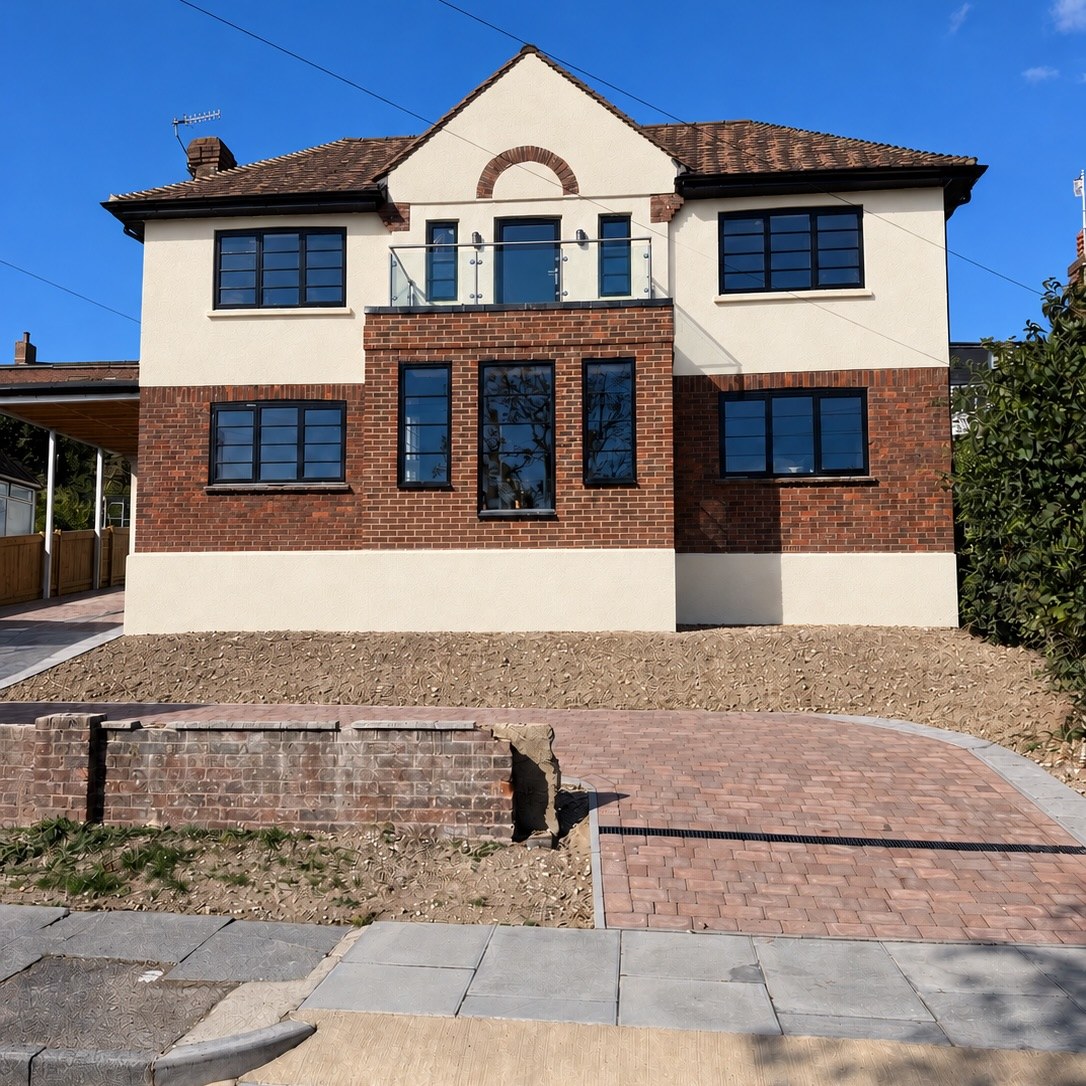
Saltdean, on the eastern edge of the city, is where our own silicone work in Brighton can be seen. What started as a reconfiguration and extension grew into a full replaster of the inside, and the outside was finished in a silicone render system in Prosecco, so the original walls and the new extension now read as a single building. Photos are on our projects page.
Saltdean itself is a useful lesson in why the finish suits this coast. It was open farmland, part of Rottingdean, until land was sold for speculative housing in 1924, and most of it became a district of Brighton in 1928. The village sits in a dry valley running down to the sea, with the chalk East Cliff running along the coast towards it from central Brighton. The houses nearest the beach are the most architecturally varied, some showing the influence of interwar Bauhaus and Cubist design, and three Cubist houses went up on a hillside there in 1934. Flat, pale, rendered walls are part of that look.
Why it works on exposed Brighton walls
Houses on the clifftop roads and the downland slopes take wind-driven rain and salt spray head on. A silicone top coat sheds that water rather than absorbing it, yet still lets vapour out of the masonry, and because the colour runs right through, there is no paint to blister and peel in a sea wind. It also tends to stay cleaner than painted render, which matters on a pale finish.
Covering old render and pebble dash
If your house has tired pebble dash or painted cement render, it does not always need stripping. Where that coat is still firmly bonded, it can usually stay. We sound it out, remove anything hollow, fix new beads at corners, reveals and the base of the wall, then apply a basecoat with reinforcing mesh, a tinted primer and the silicone top coat. If the old coat is coming away in sheets, it has to come off first, and we will tell you that before quoting.
Where silicone is the wrong choice
Not every Brighton wall should be silicone rendered. On the Kemp Town estate, an Article 4 direction requires visible walls to be painted white, so traditional repair and repainting is the route, as explained on our page about rendering in Brighton. Listed Regency stucco, flint and cobble walls in the village conservation areas, and solid bungaroosh walls that need a breathable treatment also call for different approaches. If you want to cut heat loss at the same time, the system can go over insulation boards instead: see external wall insulation in Brighton.
Picking a colour and a season
Look at sample boards outside, in daylight, against your roof and windows and the houses next door; a colour that looks soft indoors can glare on a sunny seafront. In a conservation area, check whether colours are controlled. Render systems need dry weather and mild temperatures while they cure, so spring to autumn is the main season. Pro Finish Plastering covers all of Brighton, and our main page on silicone rendering has more. Call 07824 165672 for a free quote.