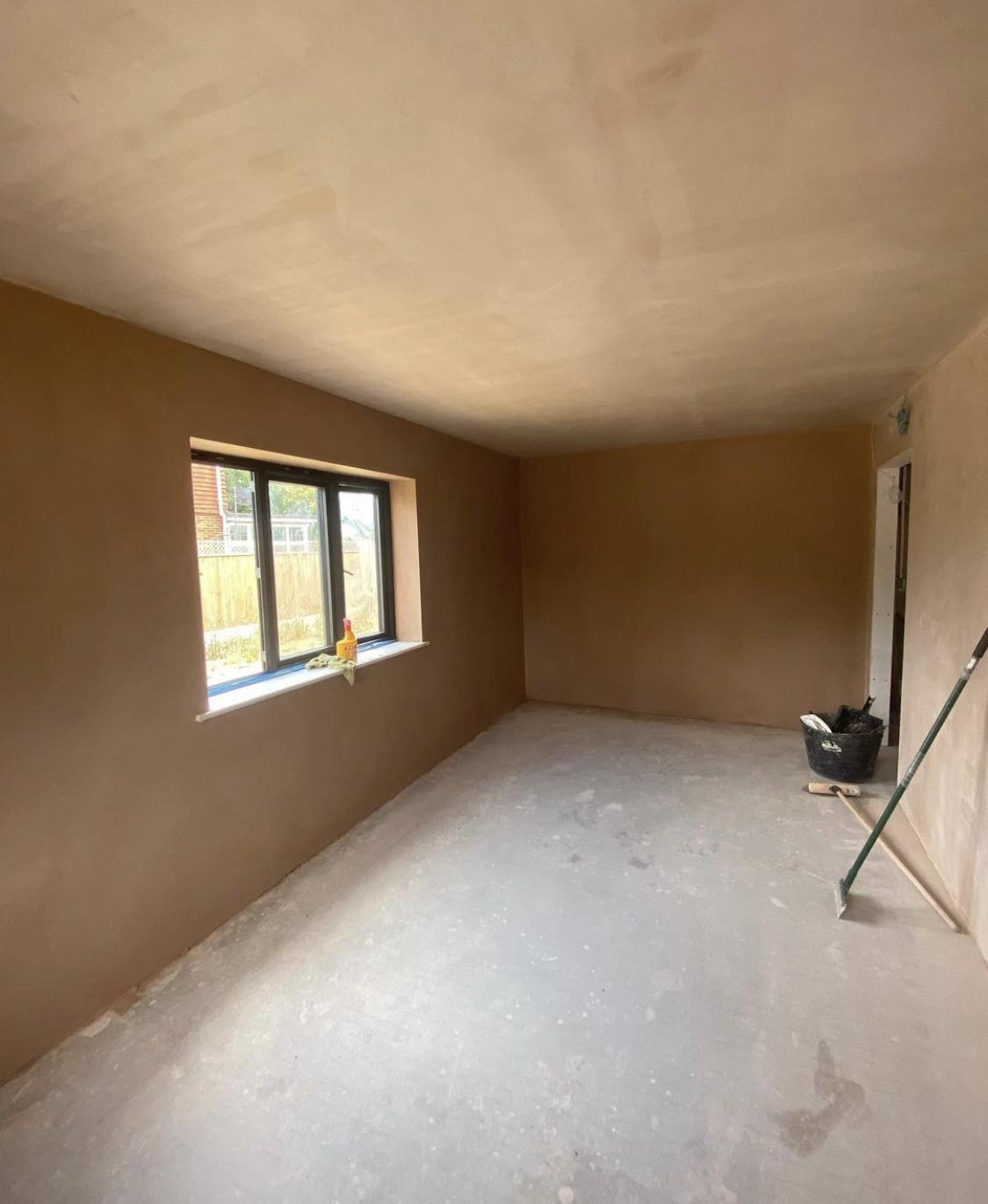
What float and set means
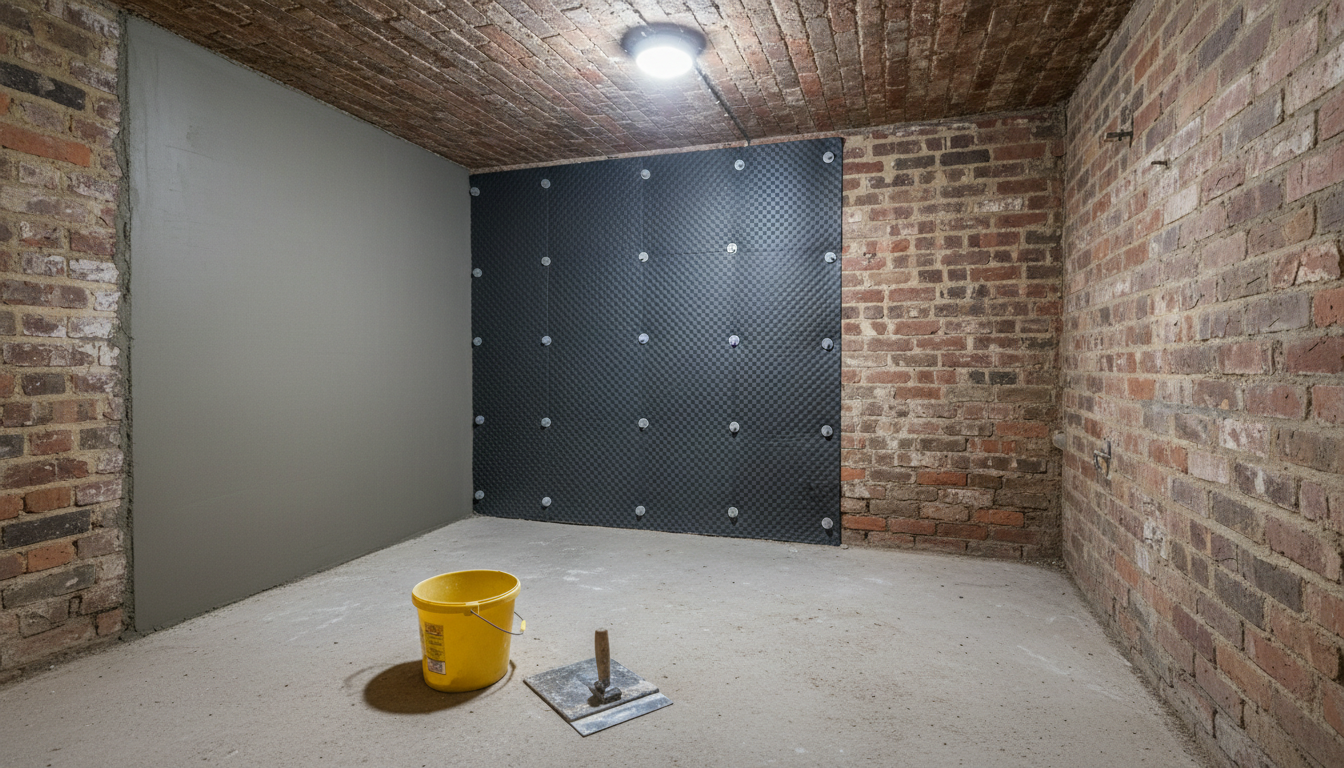
Float and set is the traditional way of plastering a solid wall. The first coat, the float, is a backing coat applied to the bare brick or blockwork and ruled flat with a straight edge. The second coat, the set, is the finish coat trowelled over it to a smooth surface. Together they take an uneven masonry wall and turn it into a true, flat surface that is ready to decorate.
It is a different job from skimming. A skim is a thin finish over a surface that is already flat, such as plasterboard or sound existing plaster. Float and set is what you need when there is nothing flat to skim onto: bare brick and block, walls that have been hacked back, and old plaster that is too far gone to keep. Pro Finish Plastering completes all floating works for homeowners, builders and developers across Worthing, Littlehampton and West Sussex.
When a wall needs floating
- New blockwork. Extensions, new internal walls and new builds where the walls are block rather than plasterboard.
- Walls taken back to the masonry. After old plaster has been hacked off because it was blown, cracked or damp damaged.
- Uneven walls in older houses. Where years of patching have left a wall too far out of true for a skim to hide.
- Big repairs. Sections of wall opened up for a new doorway, a removed chimney breast or rewiring.
Examples from our own projects
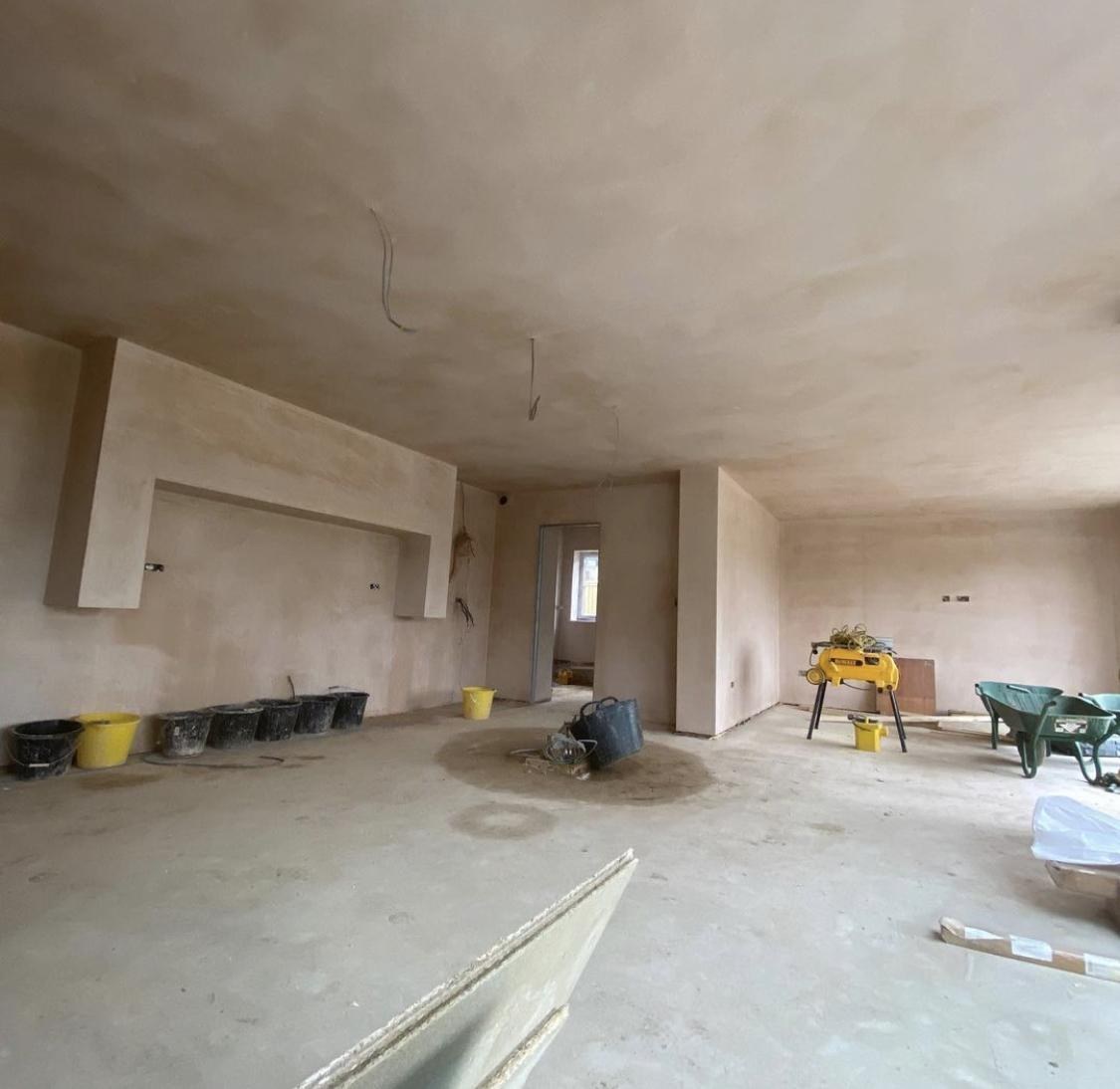
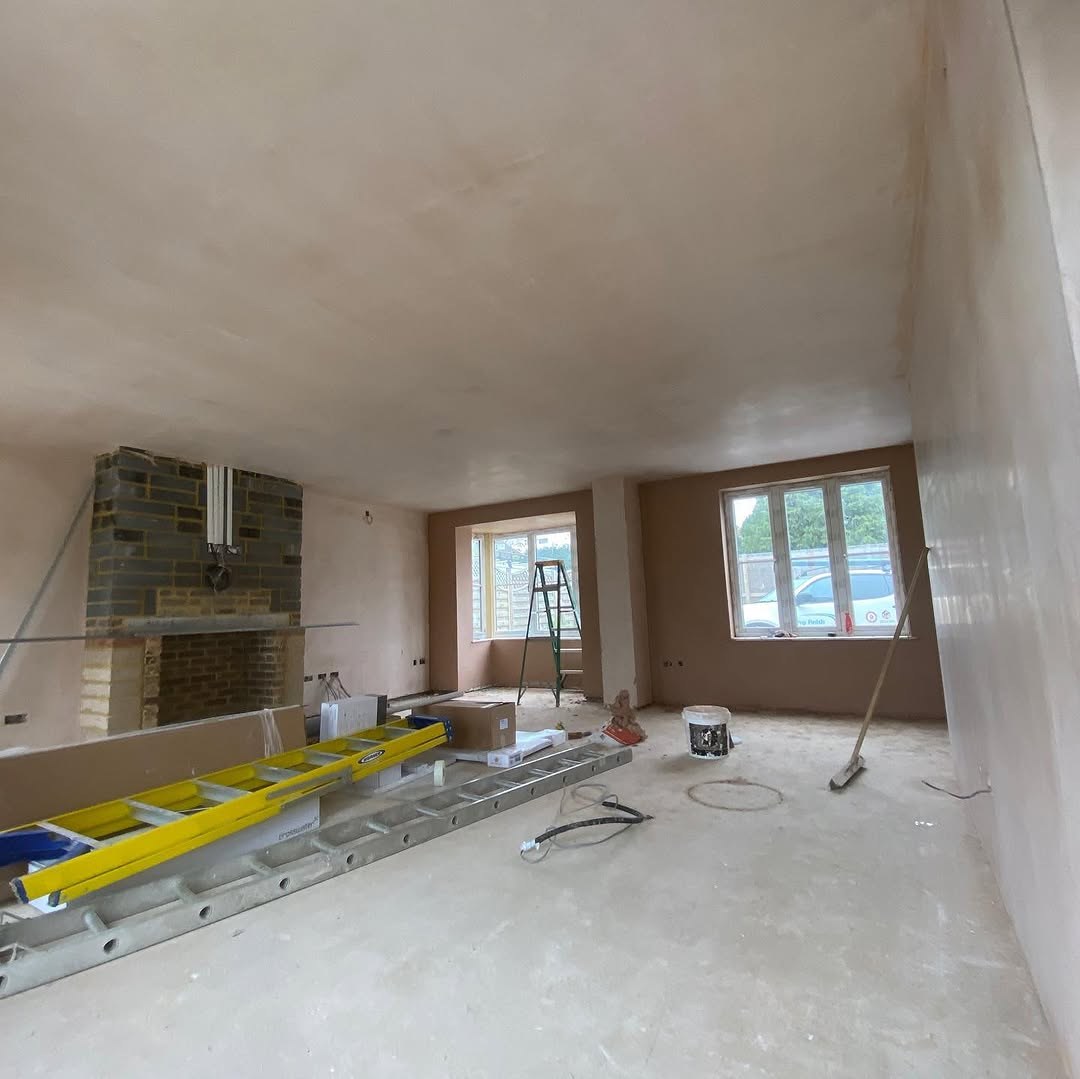
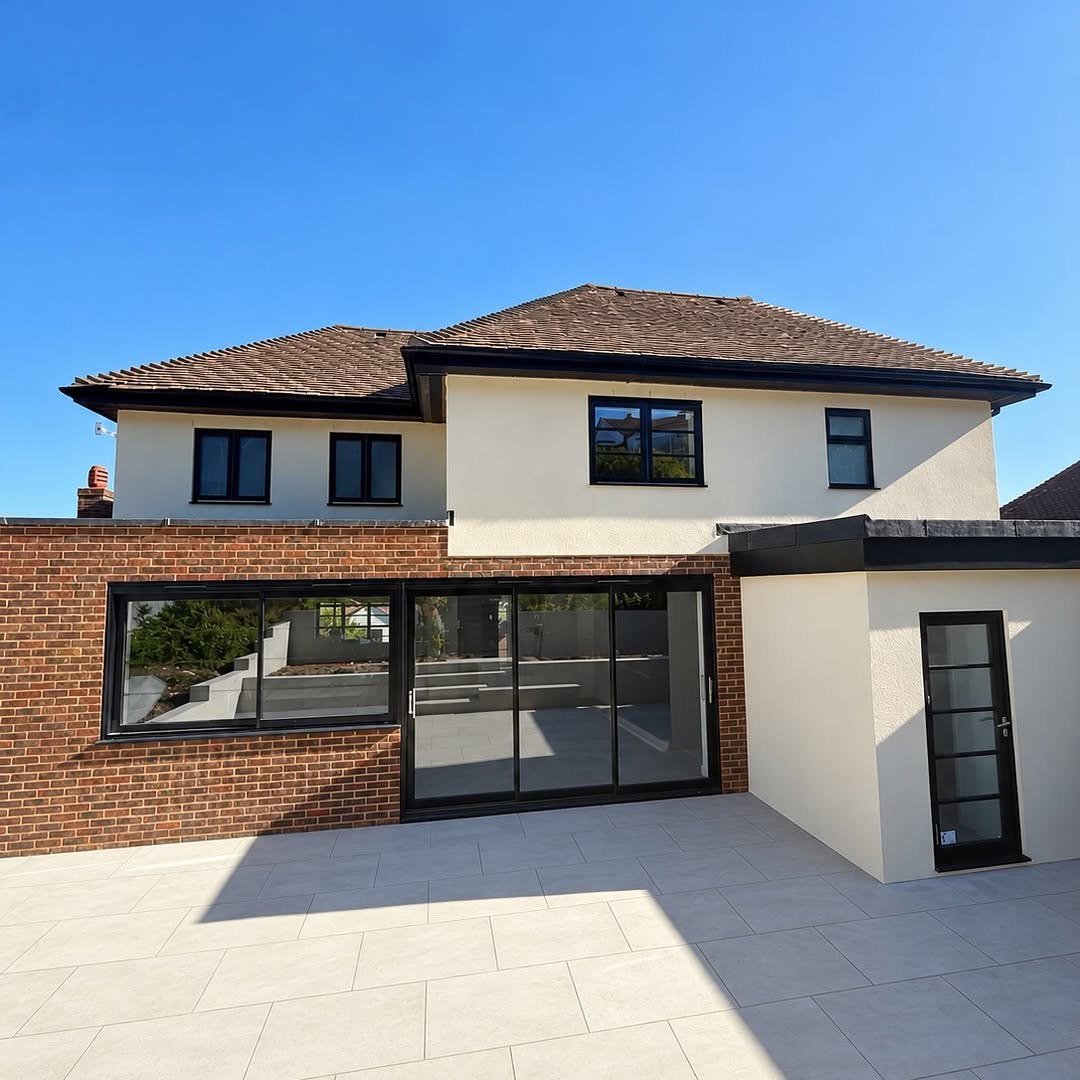
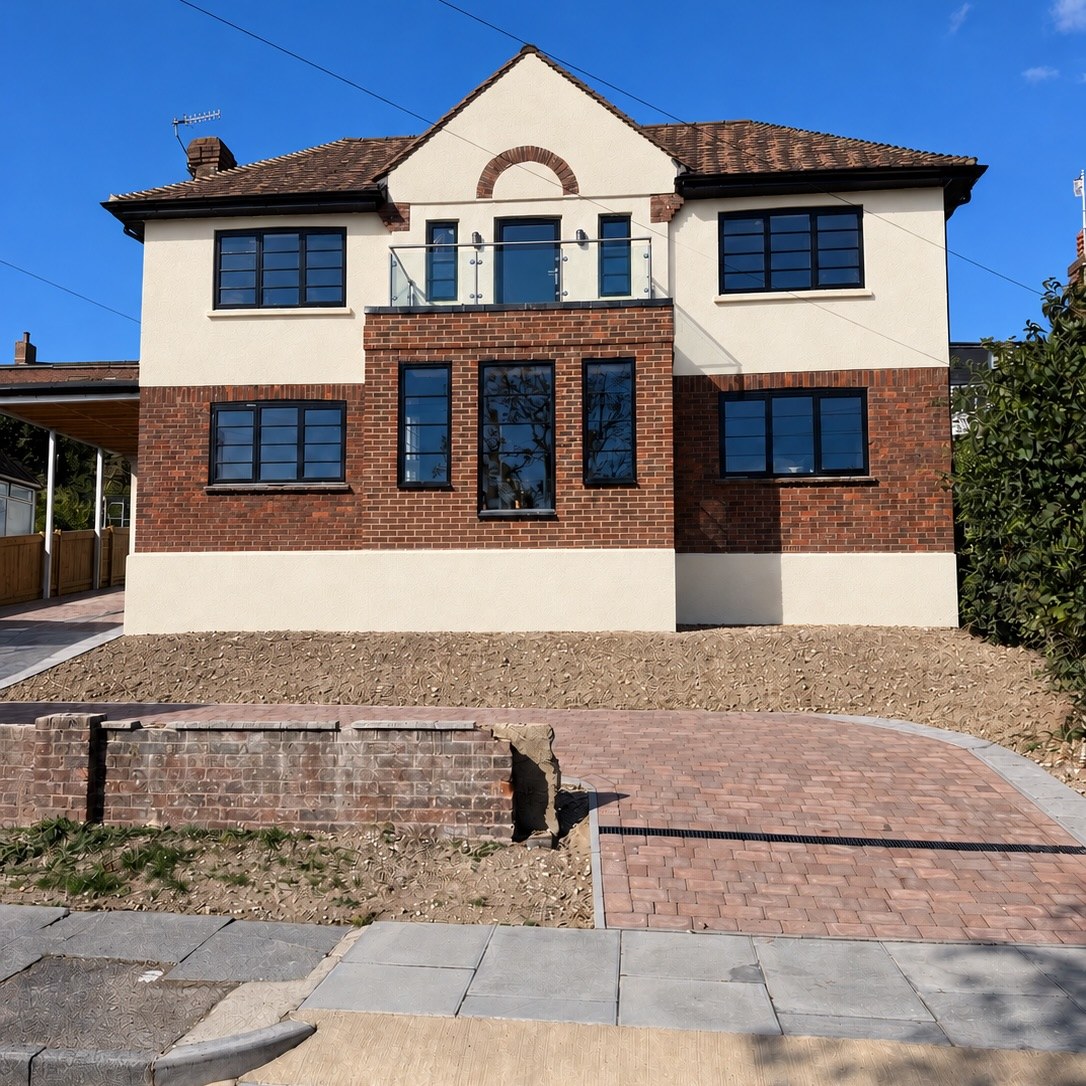
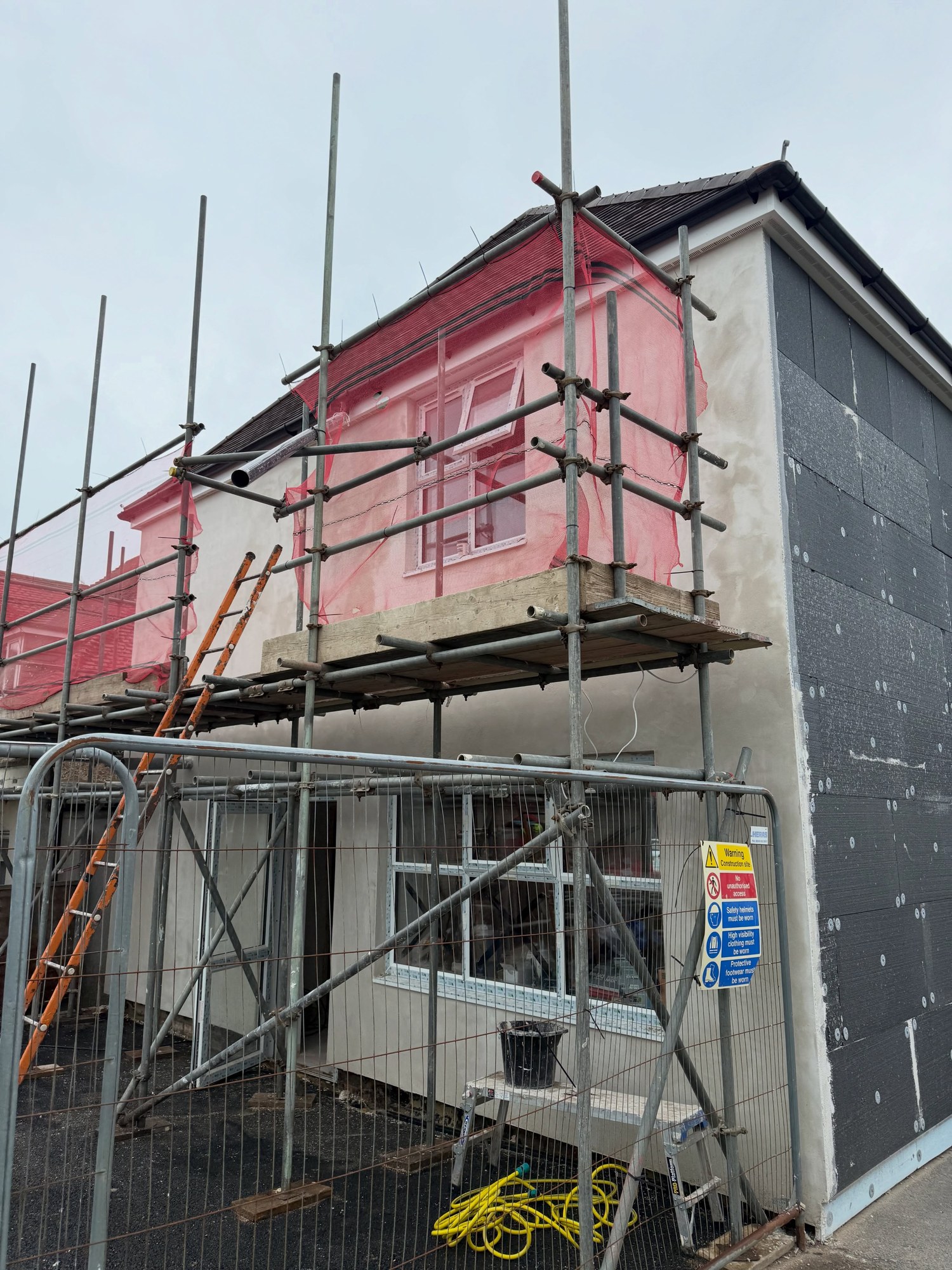
On our Hurst Road project in Hassocks, damaged existing walls were levelled out using the float and set method, and the blockwork extensions were floated and set before the whole property was plastered. On a six bedroom new build at Aldwick Bay, all ground floor walls and the first floor external block walls were solid plastered before every wall and ceiling was skimmed. You can read more about both on our projects page.
How the job is done
- Prepare the background. Loose material comes off, the wall is cleaned down and dampened or primed so the backing coat bonds rather than drying out too fast. Beads go on external corners and around openings.
- Float. The backing coat is applied and ruled off with a straight edge, filling the dips and bringing the wall flat and plumb. Deep hollows are built up in layers rather than in one heavy coat.
- Key the surface. The backing coat is lightly scratched so the finish coat has something to hold onto.
- Set. Once the backing coat has firmed up, the finish coat goes on and is trowelled smooth.
- Dry out. A solid plastered wall holds a lot of water, so it needs longer to dry than a skimmed one. Keep the room ventilated and gently warm, and wait until it is dry through before decorating.
Older solid walls
Many older houses have solid walls rather than cavity walls, and the materials used on them matter, because a solid wall needs to be able to dry out. If your home is older, tell us when you get in touch and we will talk through what suits the wall before any plaster goes on. If damp is part of the reason the old plaster failed, the cause needs dealing with first: see our damp proofing and mould prevention page.
Float and set or plasterboard?
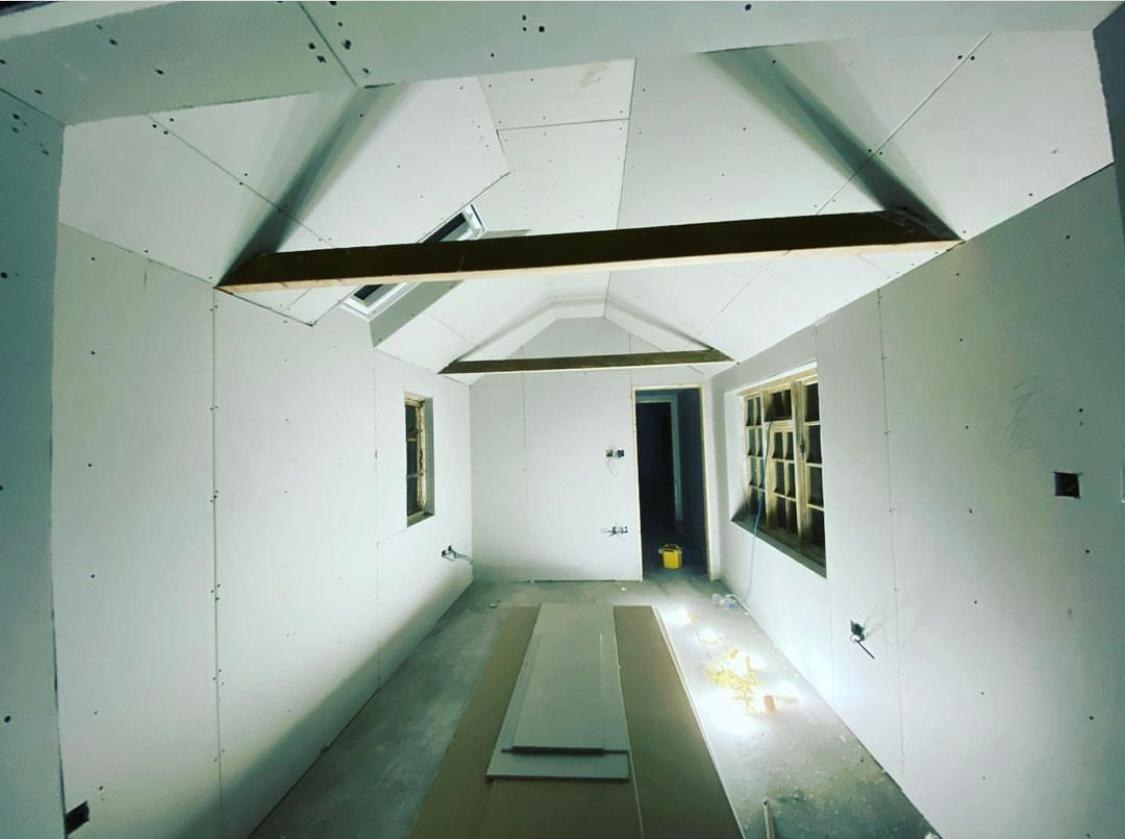
On a new wall, dry lining with plasterboard is quicker and dries faster, while float and set gives a harder, more solid wall that is better at taking heavy fixings and knocks. Both have their place, and we do both, see plasterboarding and dry lining. Whichever you choose, the surface is finished with a smooth plaster skim.
For a free, no-obligation quote, call 07824 165672 or send us a message with a few photos of the walls.