A village that grew in the twentieth century
East Preston was a small farming village for centuries, and in 1900 its population was only a few hundred. The parish neighbourhood plan describes how the private estates of Angmering-on-Sea, to the east, and Willowhayne, to the west, grew piecemeal between 1911 and 1940, with more building on Willowhayne after the war and gradual infill until almost no open land was left. The village design statement adds that development sped up after 1945, and that East Preston had more or less reached its present form by the early 1970s.
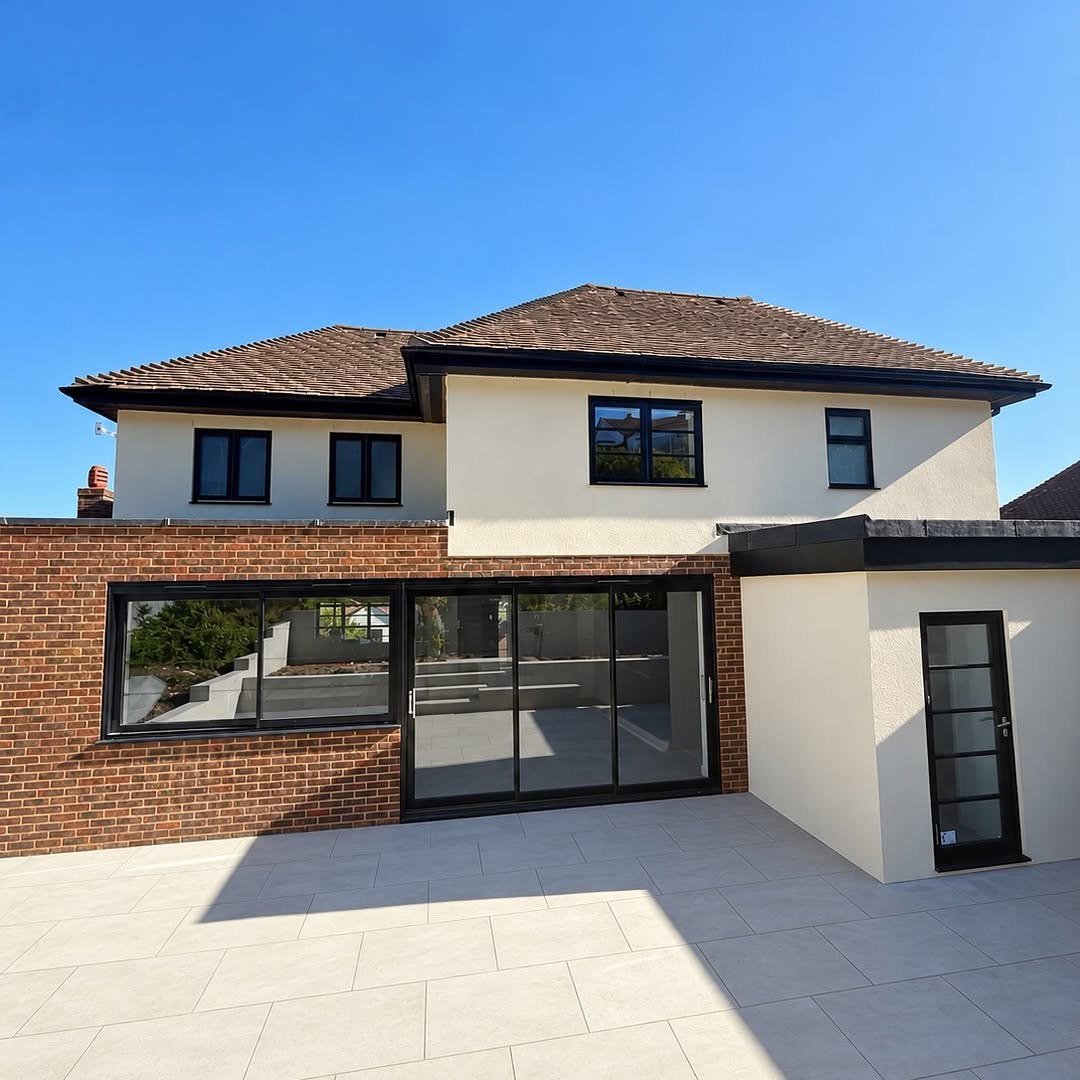
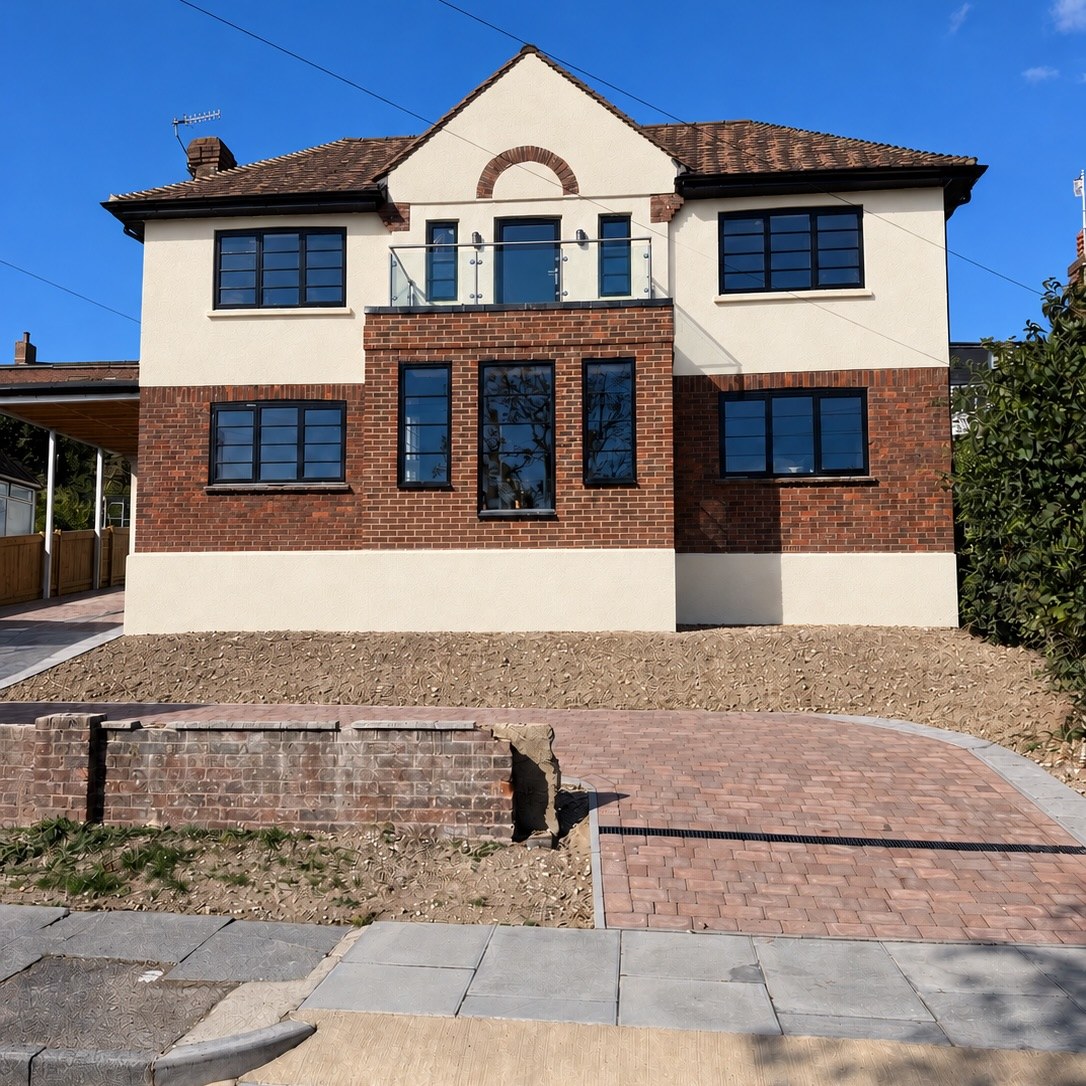
The result is a village where most homes are twentieth-century: large pre-war detached houses towards the sea, closes of bungalows built from the 1950s to the 1980s, terraced and semi-detached houses in the denser roads, and blocks of flats near Angmering station. A handful of much older cottages survive along The Street and Sea Road.
What a skim involves in an East Preston home
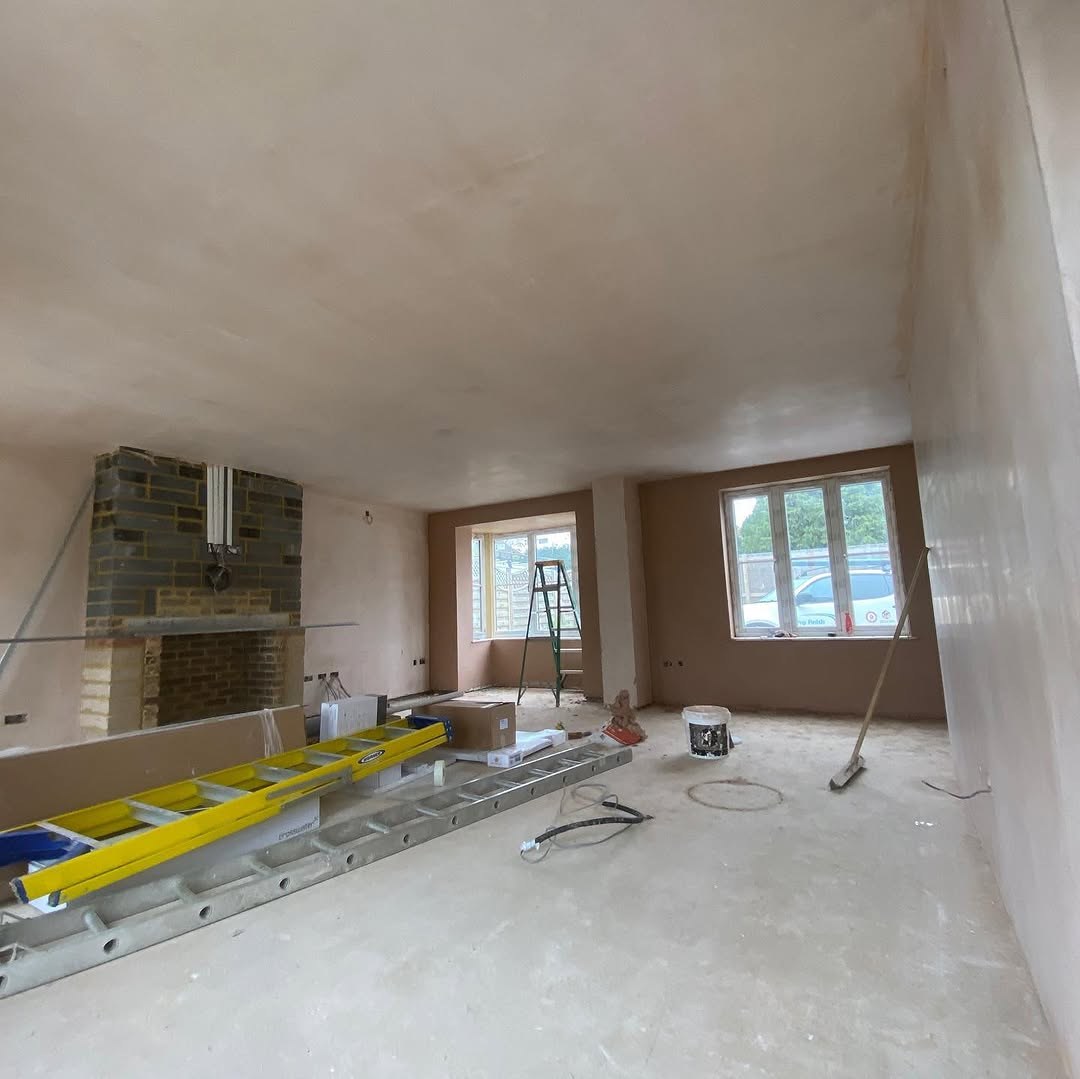
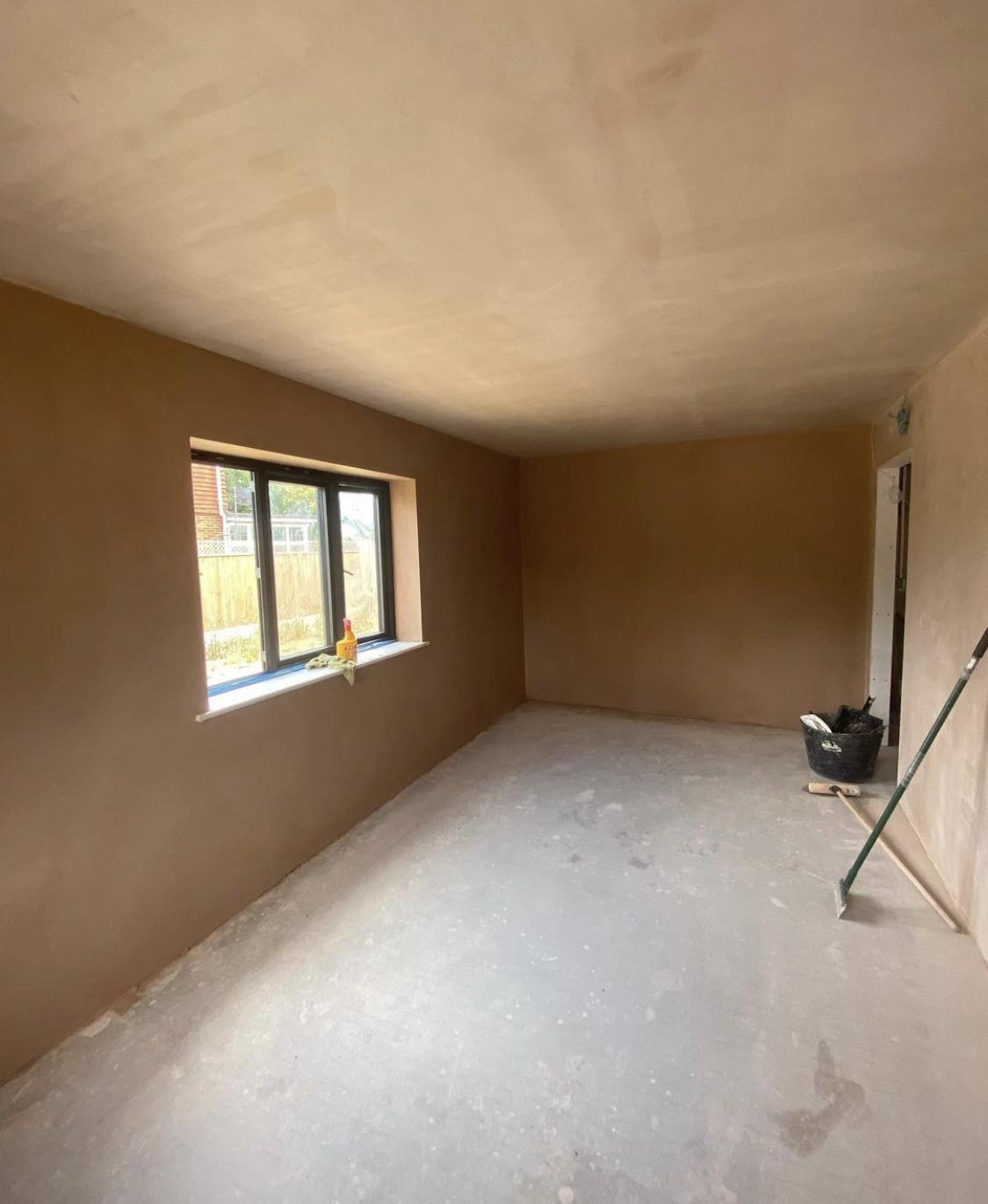
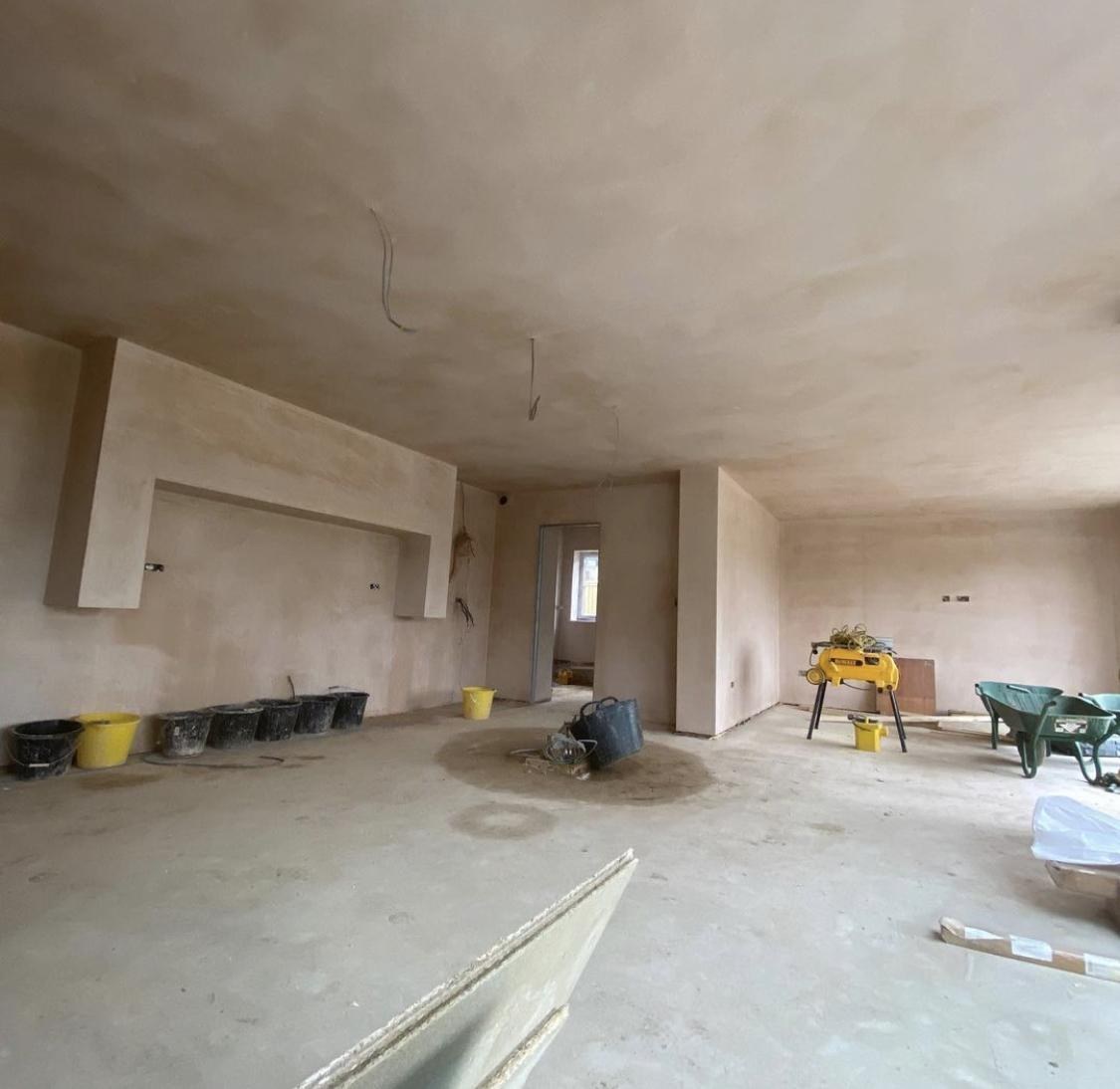
In bungalows and post-war houses, the walls are usually plasterboard or a sand and cement backing under the original finish, and a skim is straightforward once loose paint, wallpaper paste and old filler have been dealt with. Typical jobs include walls left uneven after decades of redecorating, ceilings scarred by old light fittings, chases cut for rewiring, and rooms opened up by taking out a wall. Each is made good, beaded where corners are tired, and skimmed so the repair cannot be seen.
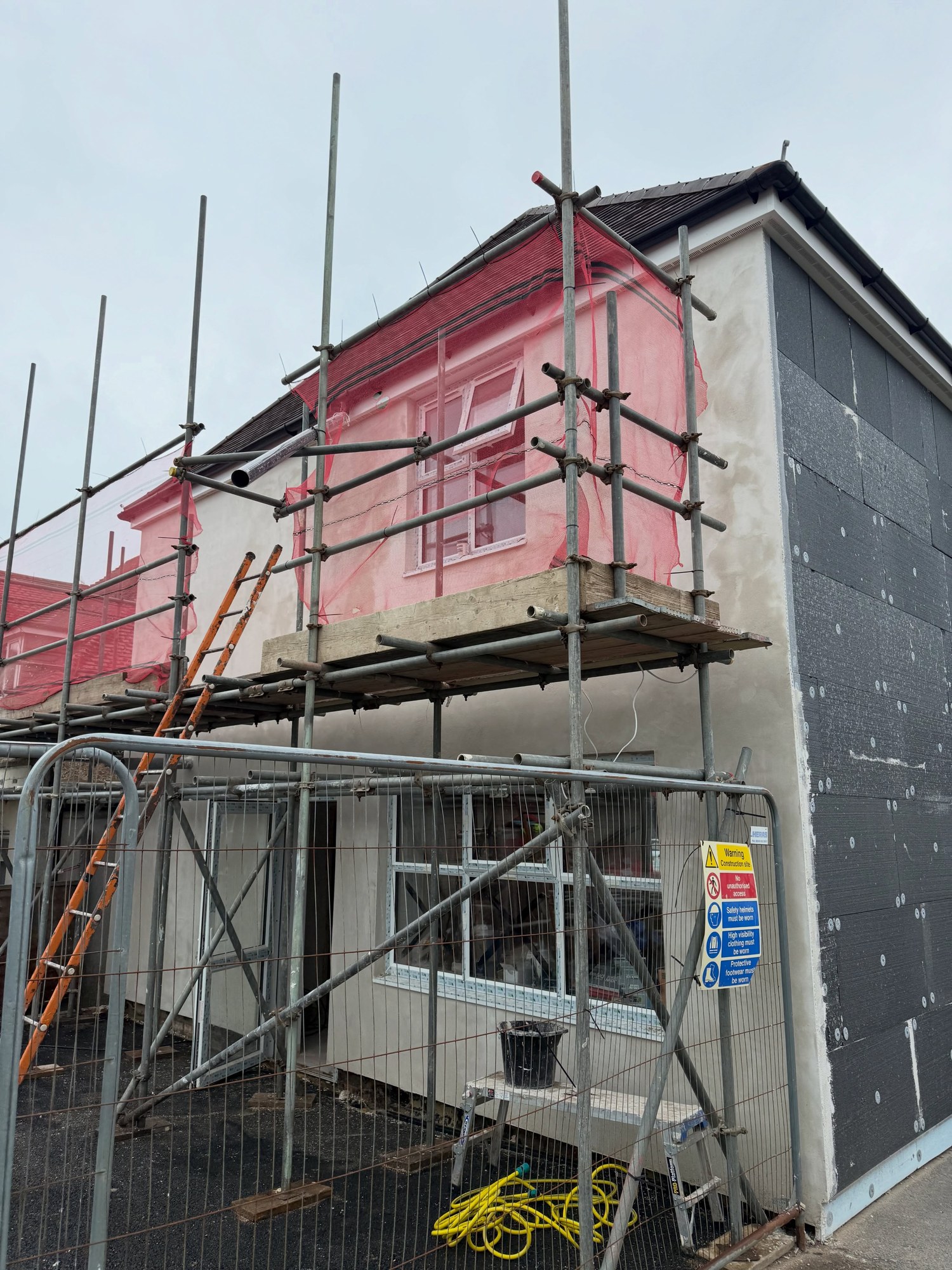
The larger pre-war houses on the two estates can be a little different. Original plaster of that age may have lost its grip in places, so we sound the walls before deciding between a skim and taking a section back further. In the oldest cottages, the choice of material matters more than the method, and we will explain why when we see the wall.
Living at home while the work is done
East Preston's population is older than average. The neighbourhood plan puts 38 per cent of residents at 65 or over, against 16 per cent across England. If you are staying at home while rooms are plastered, we plan the work room by room, move and cover furniture, sheet off doorways to keep dust where it belongs, and leave the rest of the house usable each evening. Kitchens and bathrooms can be scheduled so you are never without both at the same time.
Ceilings and finishing touches
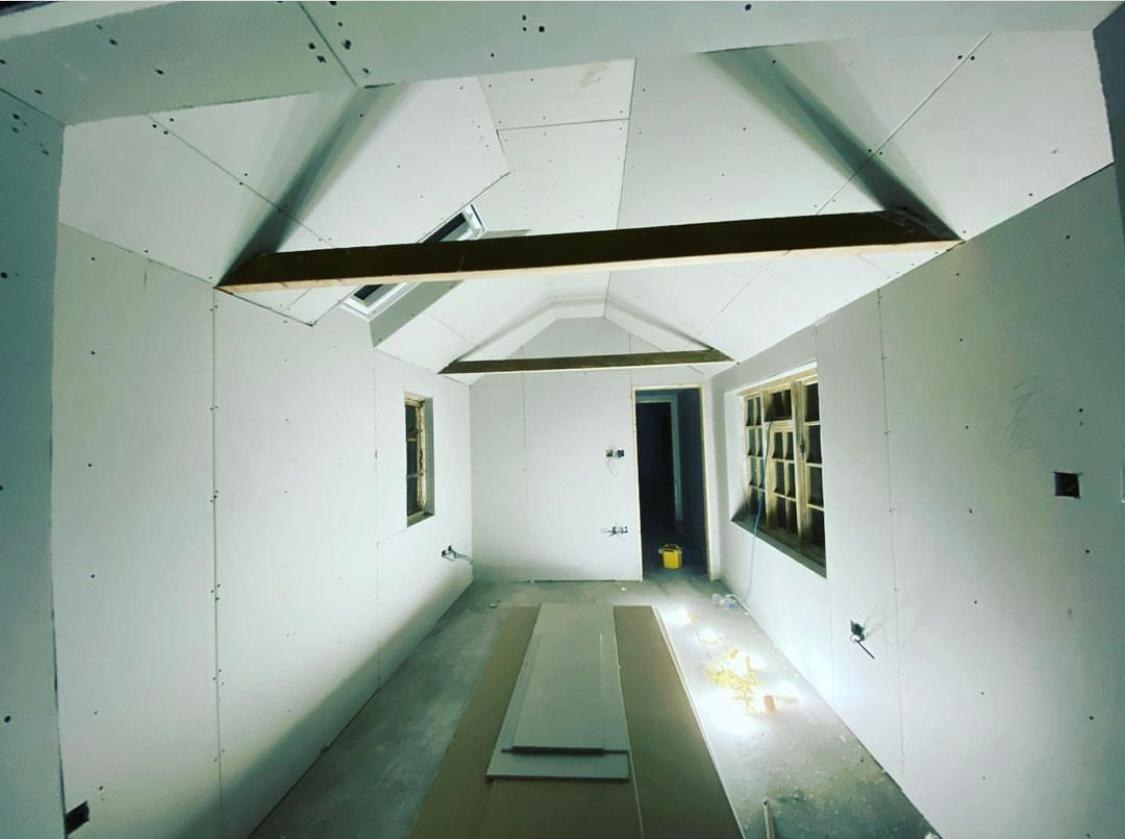
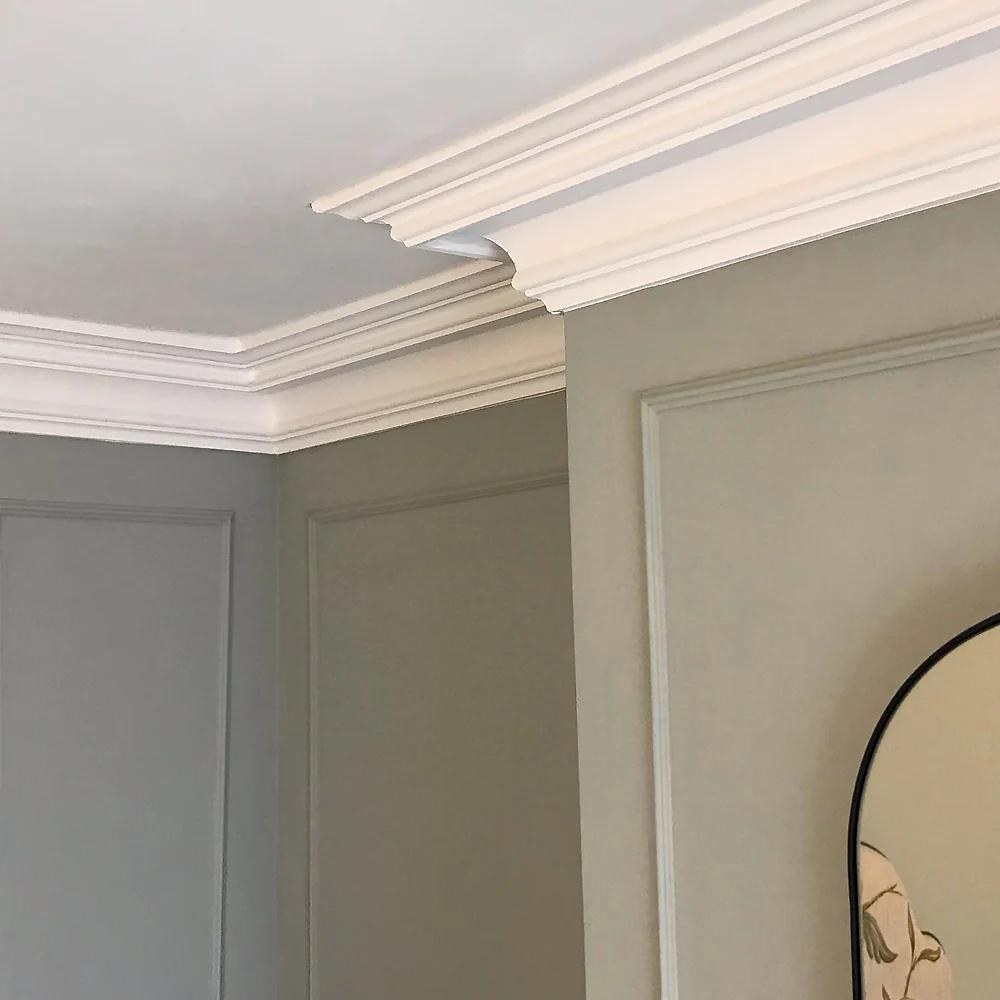
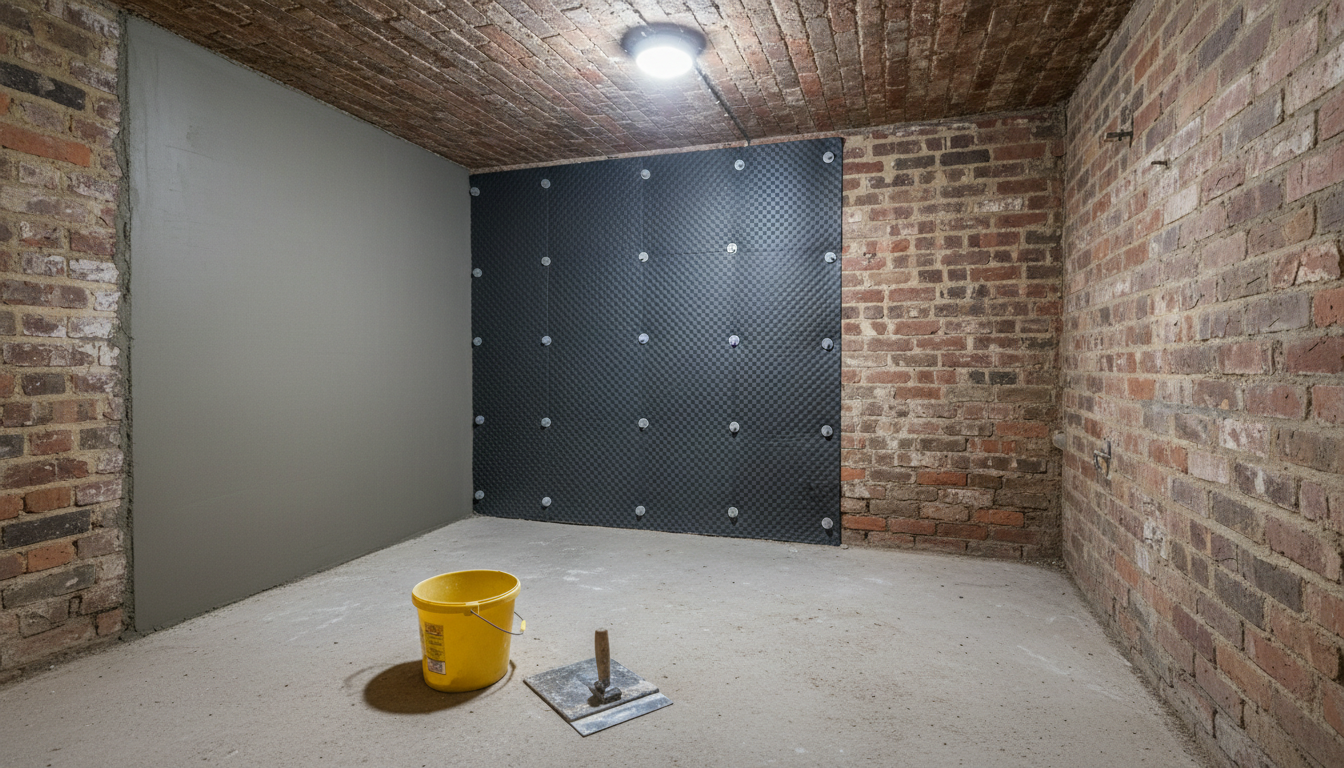
Low ceilings and modern downlights show every ripple, so a flat, even surface matters more than people expect. Our plaster finish is completed in two coats using British Gypsum products, which gives enough body to flatten small undulations over plasterboard joints. If your ceilings still carry a textured pattern, read about Artex ceilings in East Preston before anyone disturbs it, and if you are converting a roof space, see plasterboarding and dry lining in East Preston.
Getting a quote
Send a few photos, tell us which rooms you want done and roughly when the house was built. Our general plastering and skimming page explains the process in more depth, and our East Preston page lists everything else we cover in the village. Call 07824 165672 for a free, no-obligation quote.