Littlehampton's housing, street by street
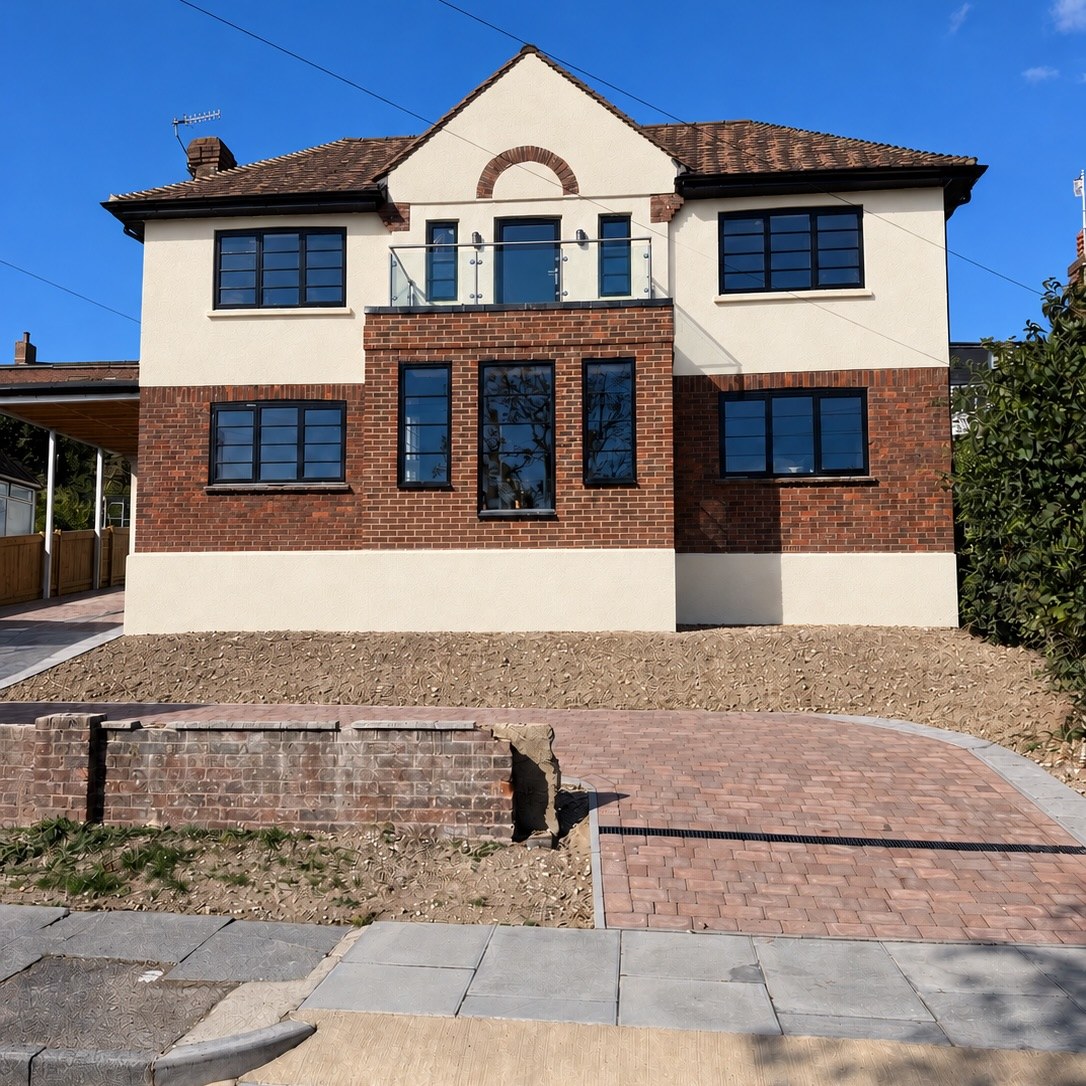
Littlehampton grew in layers, and each layer was plastered differently. Behind the High Street, New Road, Clifton Road and Bayford Road had filled with medium-sized terraces by the end of the nineteenth century. The branch railway that reached the town in 1863 brought more terraces to the southern end of Arundel Road and the streets to its west, Gloucester Road and Howard Road among them. The early 1900s added another wave of terraced housing around Queen Street and East Ham Road. More recently, since 2001, much of the old wharf land south of River Road has been rebuilt as blocks of flats looking over the river.
So a skim in Littlehampton can mean very different things. A front bedroom in a Clifton Road terrace and a living room in a riverside flat may look alike once painted, but what sits behind the paint is not the same, and the preparation has to follow the wall rather than a routine.
Skimming a Victorian or Edwardian terrace
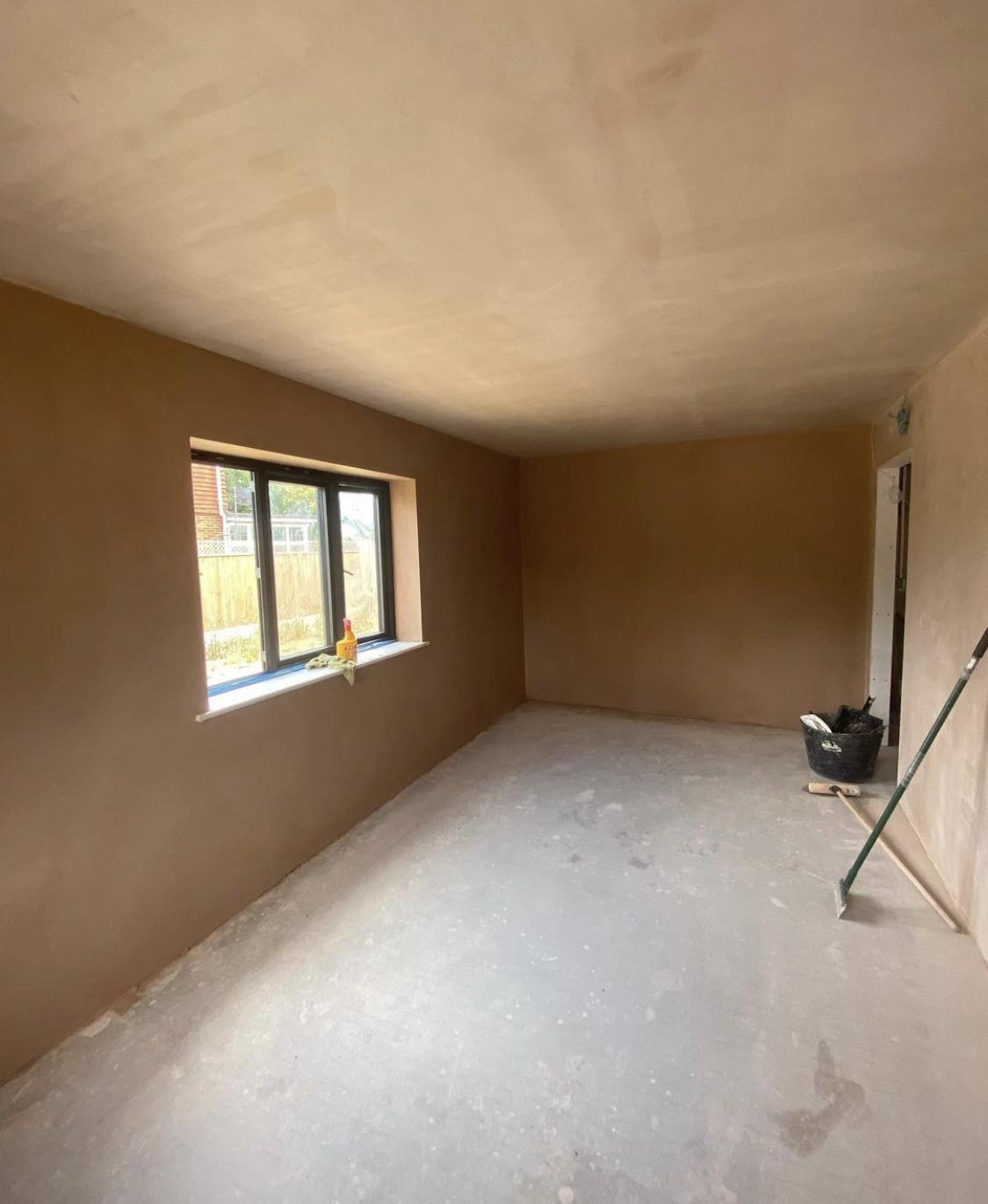
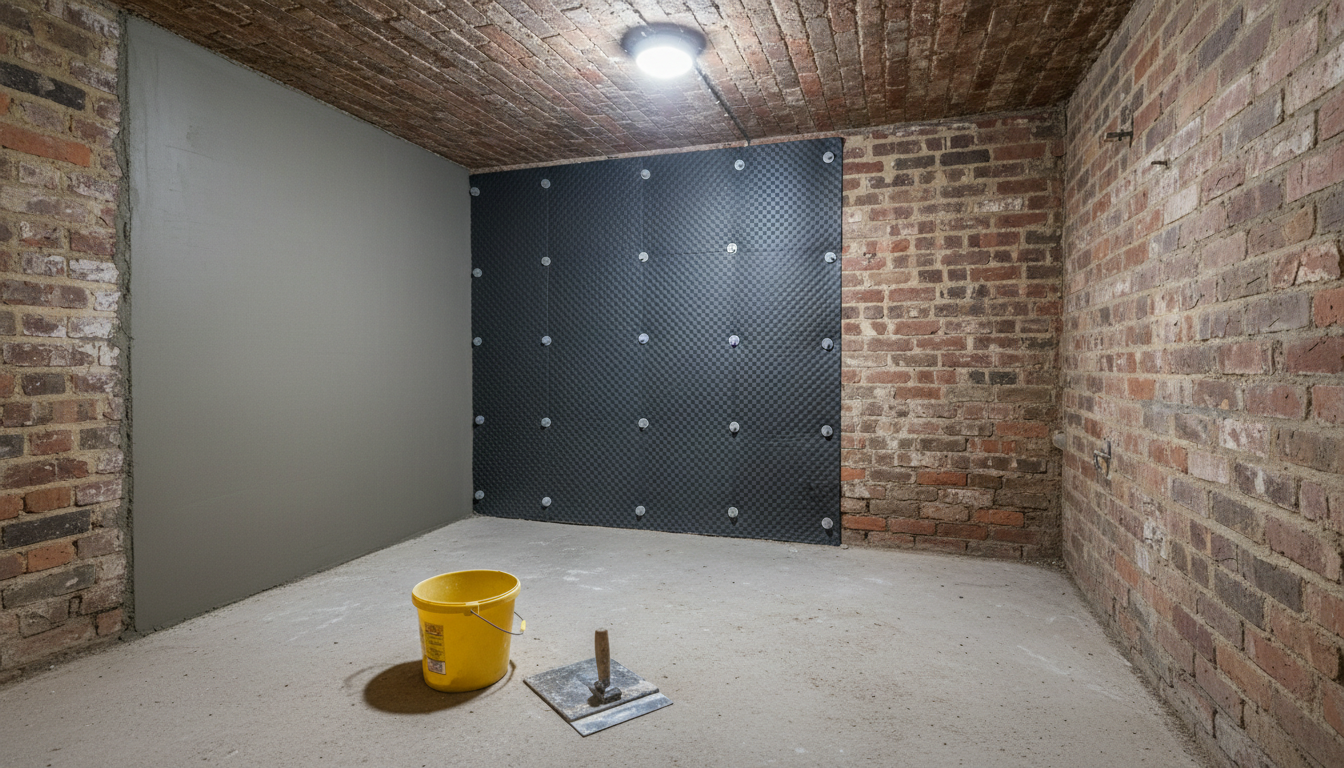
In the older streets the walls are usually solid masonry, and many still carry their original plaster under decades of filler, lining paper and paint. A new skim only lasts if that old coat is still gripping the wall. We sound the walls by tapping, cut out anything hollow or crumbling, fill the gaps and fix new beads to tired corners before the finish goes on. When too much of a wall has come away to patch sensibly, it is better taken back and floated, and our page on float and set work in Littlehampton covers how that is done.
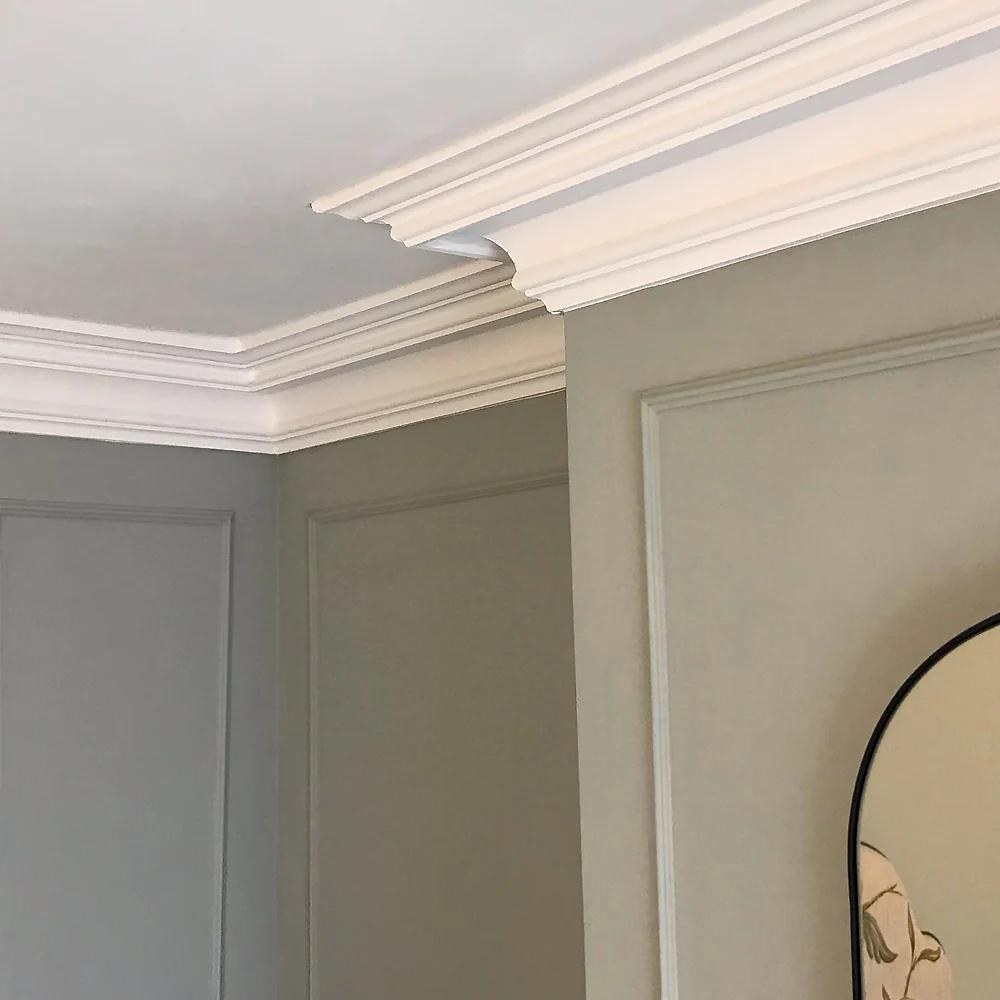
Ceilings in these houses deserve a careful look too. Cracks that run in straight lines often mean the boards or laths above are moving, and a skim laid over movement will crack along the same lines within a season or two. If the ceiling carries a textured pattern, read our notes on Artex ceilings in Littlehampton before anyone takes a sander to it.
Flats, lets and building work
The riverside blocks, and the flats that have replaced some of the larger villas around Beach Town, are mostly plasterboard inside, so the work there is usually patching rather than replastering: filling chases after a rewire, making good a ceiling below a leaking bathroom, or re-beading corners that furniture has knocked. Landlords turning a flat round between tenants often need exactly that, with the walls left ready for a mist coat.
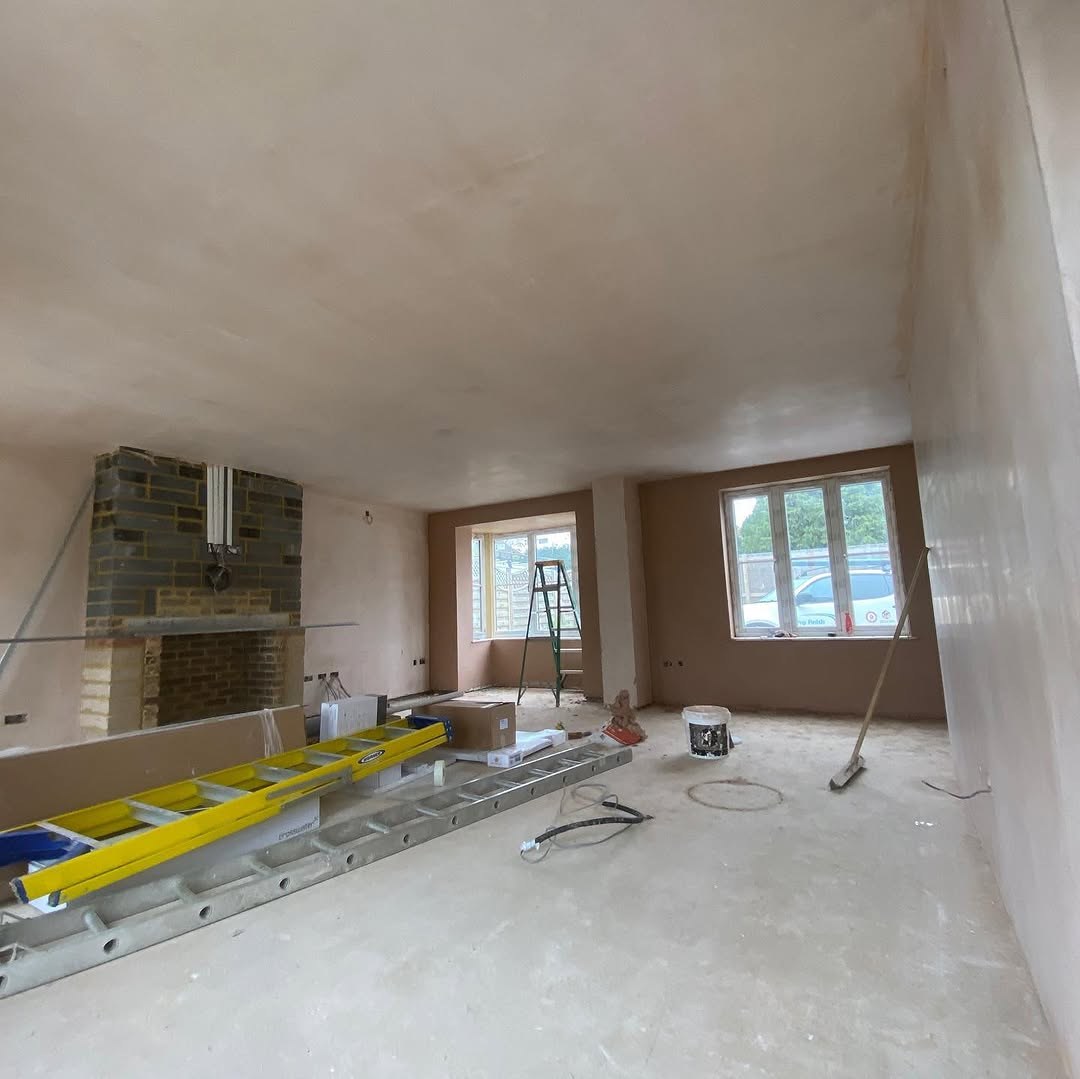
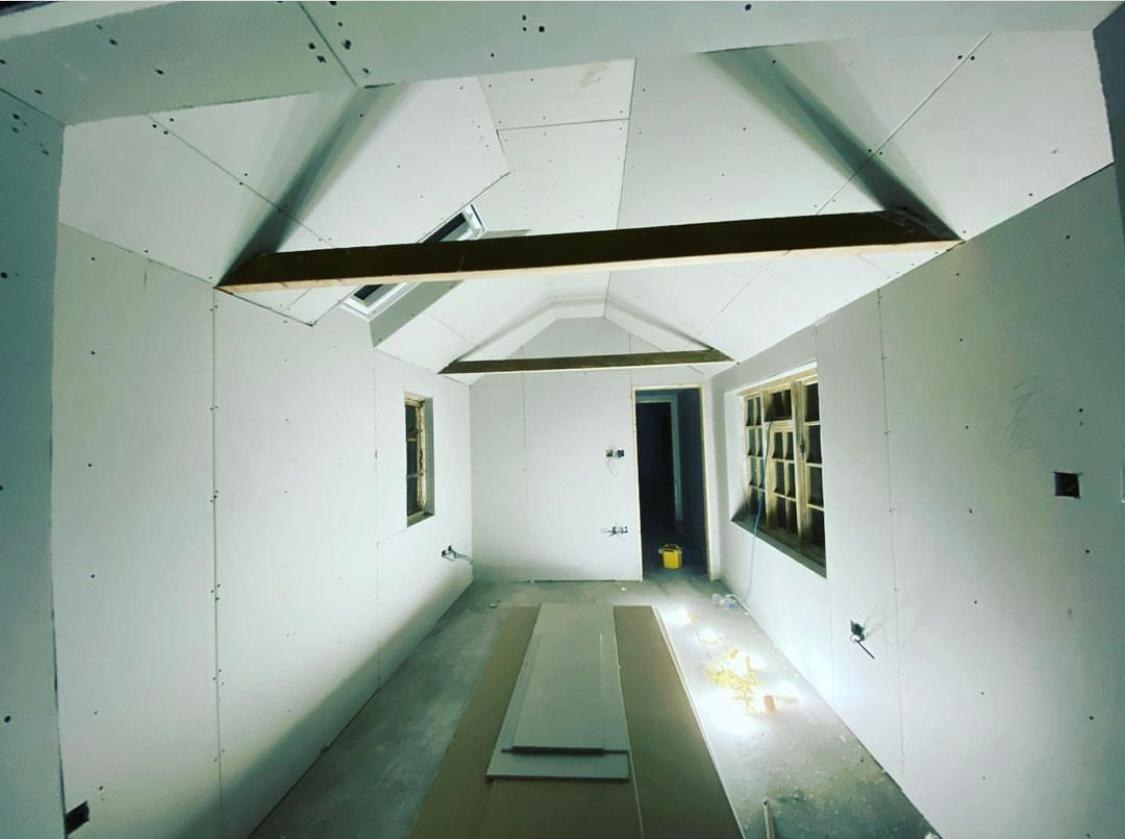
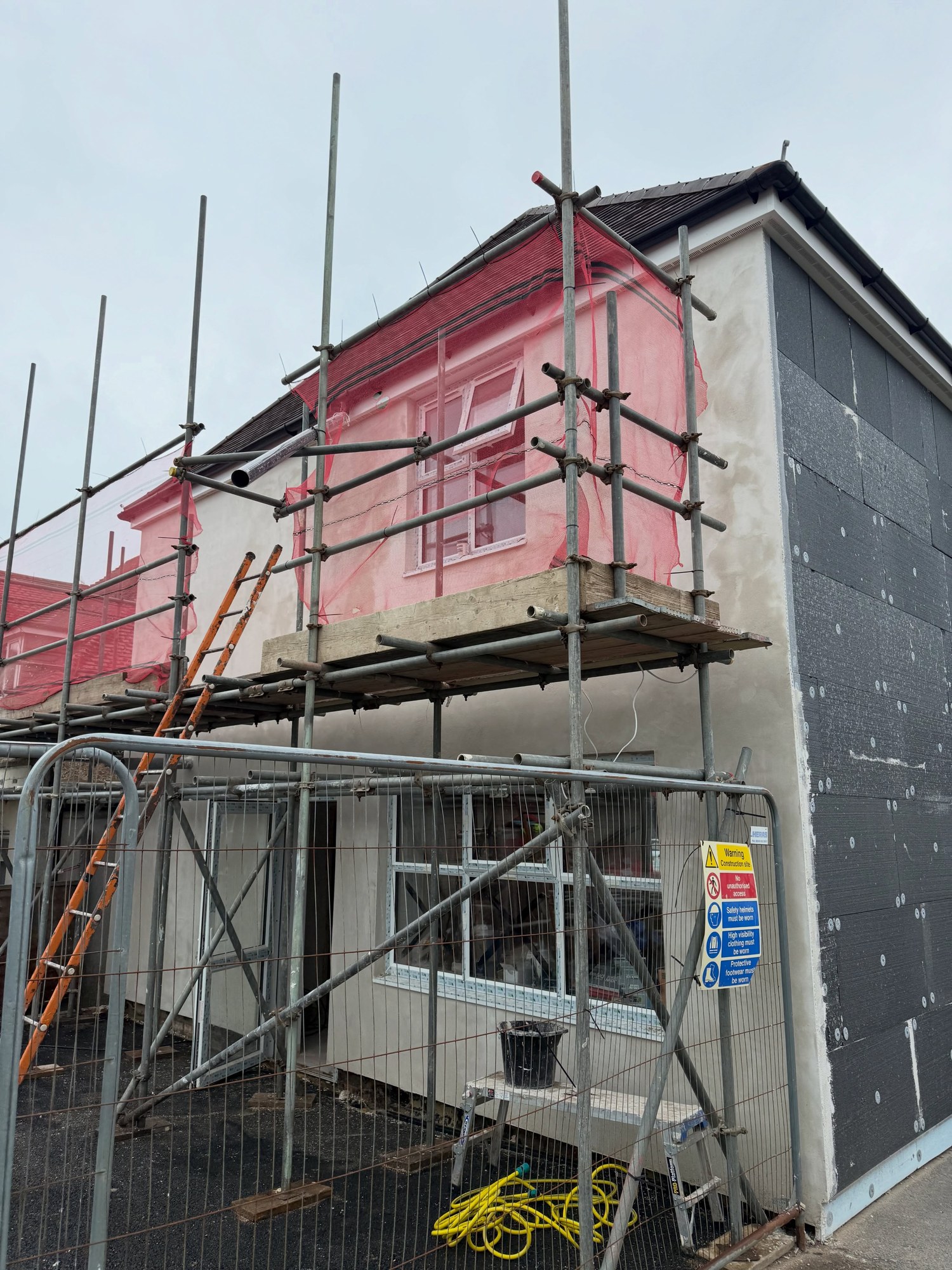
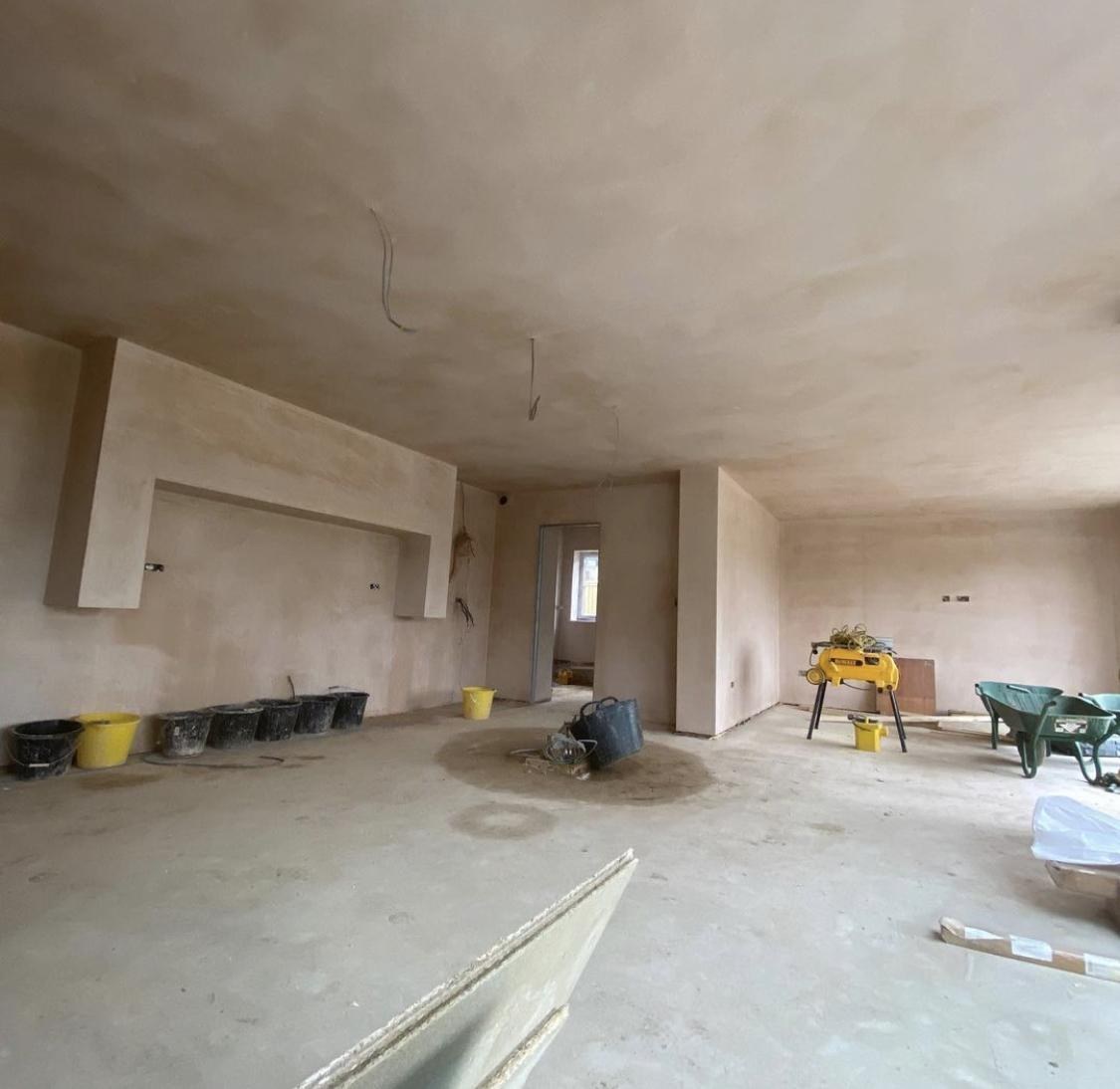
For builders and developers, extensions, loft rooms and whole-house refurbishments can be boarded and skimmed as one job. Our plaster finish is completed in two coats using British Gypsum products, which gives enough body to flatten small ripples between boards and leaves a surface that takes paint evenly once it has dried.
Before you ask for a quote
It helps to send a few photos of each room, tell us roughly when the house was built, and mention anything recent such as a new boiler, rewiring or a leak, because each of those leaves its own kind of damage behind. If the house is listed, speak to Arun District Council before work starts, as alterations to a listed building can need consent. There is more detail on our main plastering and skimming page, and everything we cover in the town is gathered on our Littlehampton page. Call 07824 165672 for a free, no-obligation quote.