What hides behind old plaster in Brighton
Few towns have walls as varied as Brighton's. From the late 18th century and well into the 19th, builders here used bungaroosh: broken bricks, cobbles, flints, pebbles, sand and even scraps of wood packed into hydraulic lime between shuttering. It turns up most in the early 19th-century squares, crescents and terraces along the seafront, including Regency Square, Royal Crescent and the Kemp Town estate. It copes badly with water and crumbles when it dries out, so it needs careful handling once exposed. Older still is the coursed cobblestone walling with red brick edges that has been identified as a Brighton Vernacular style. Much of it went in the mid-20th-century slum clearances, but examples survive, such as the cobble-fronted Mighell Farmhouse in Carlton Hill. In Rottingdean, the well-preserved 18th-century houses are generally built of brick and flint.
Floating a mixed, uneven background
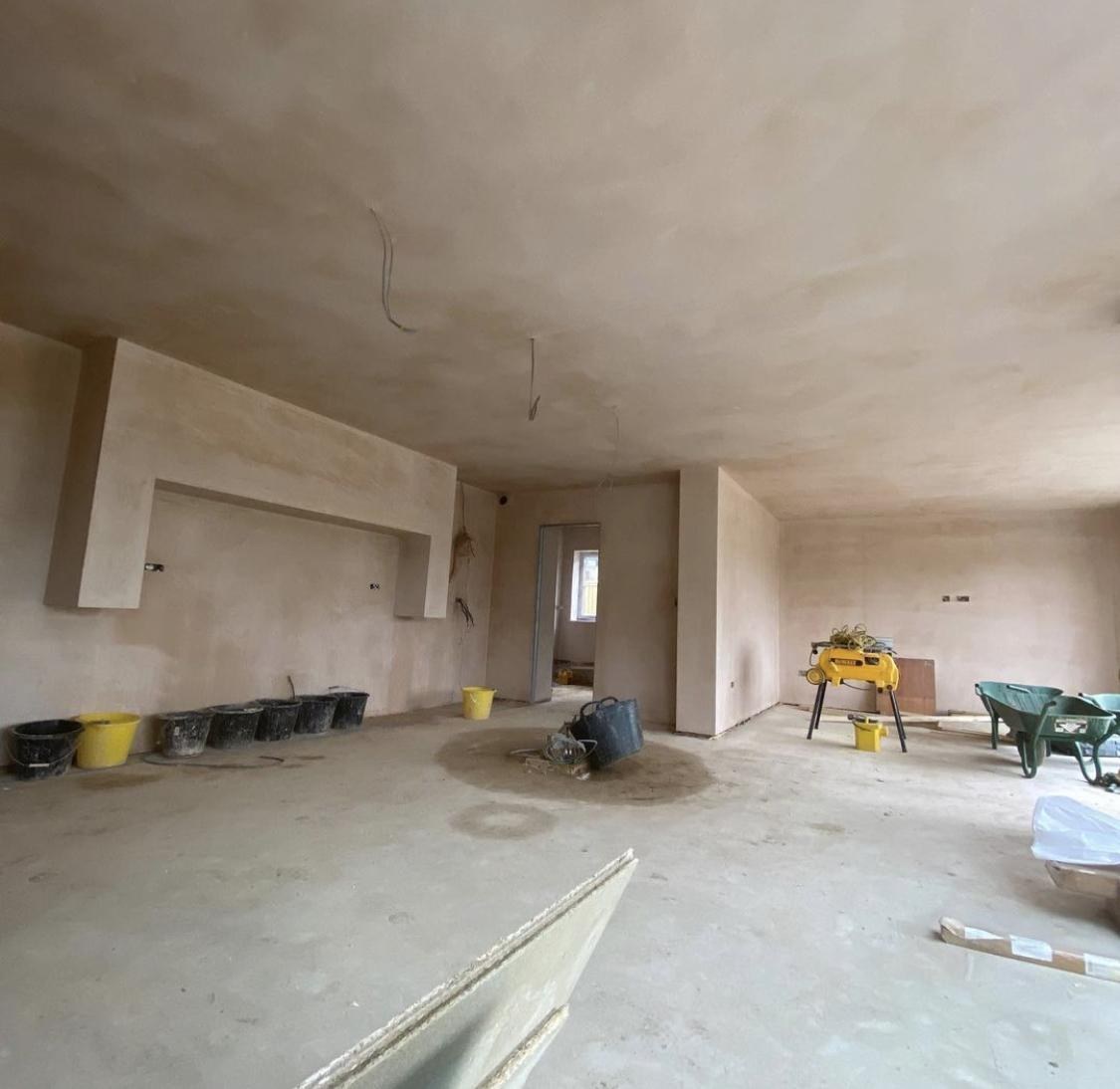
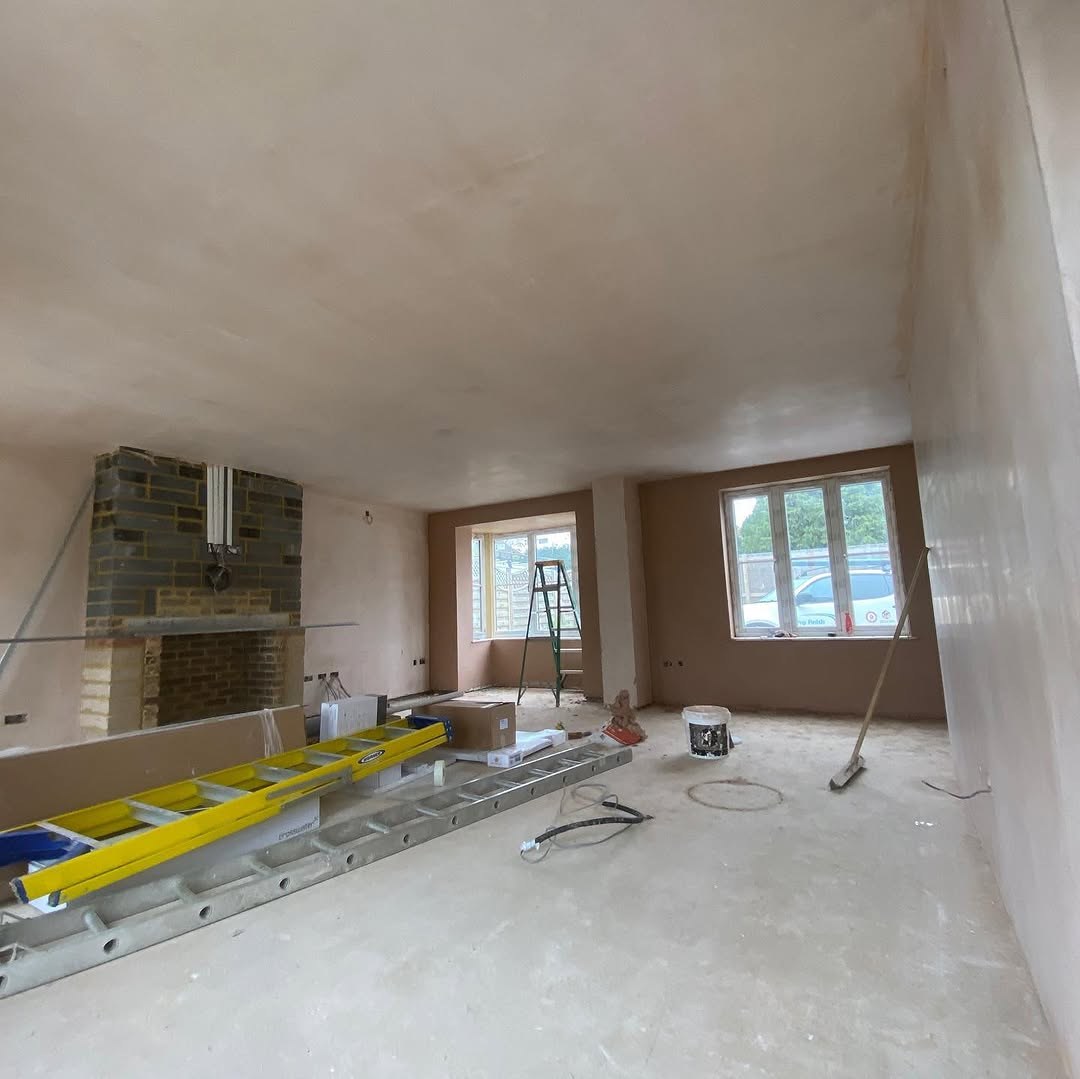
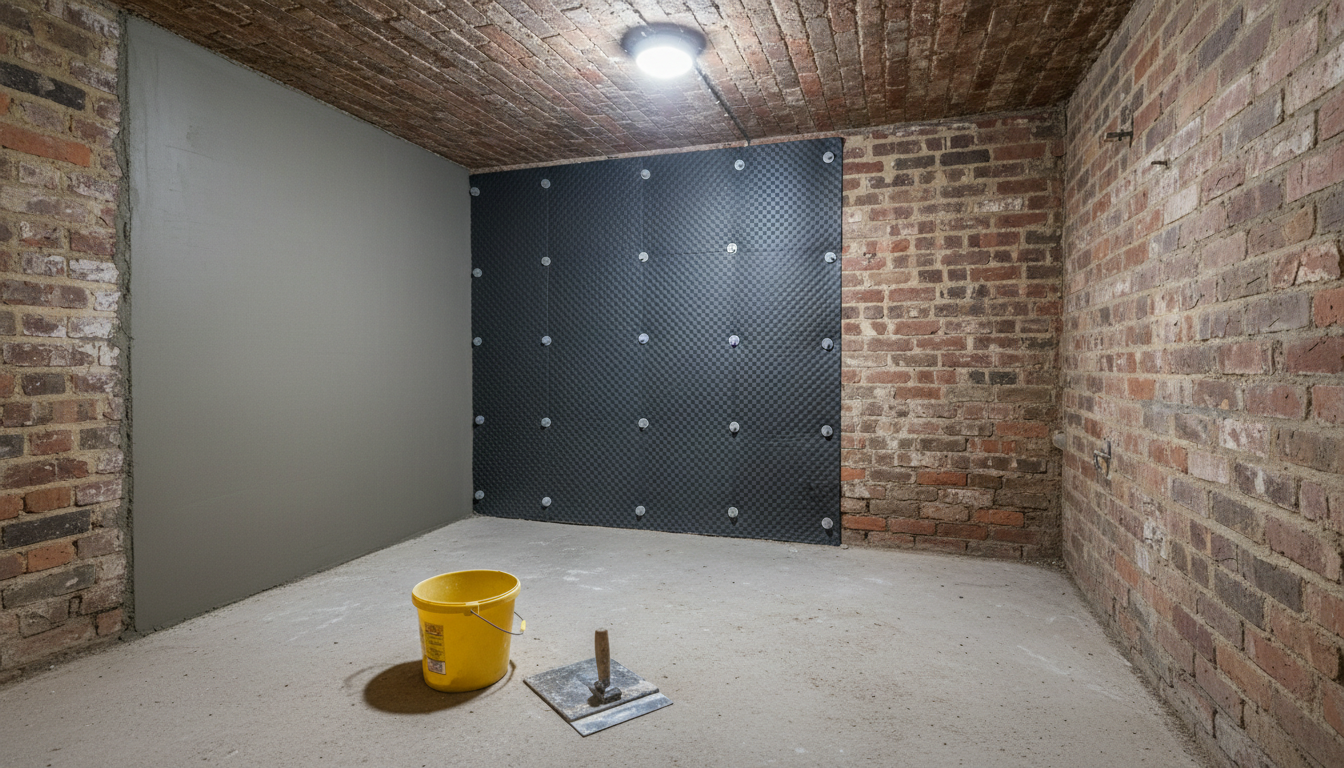
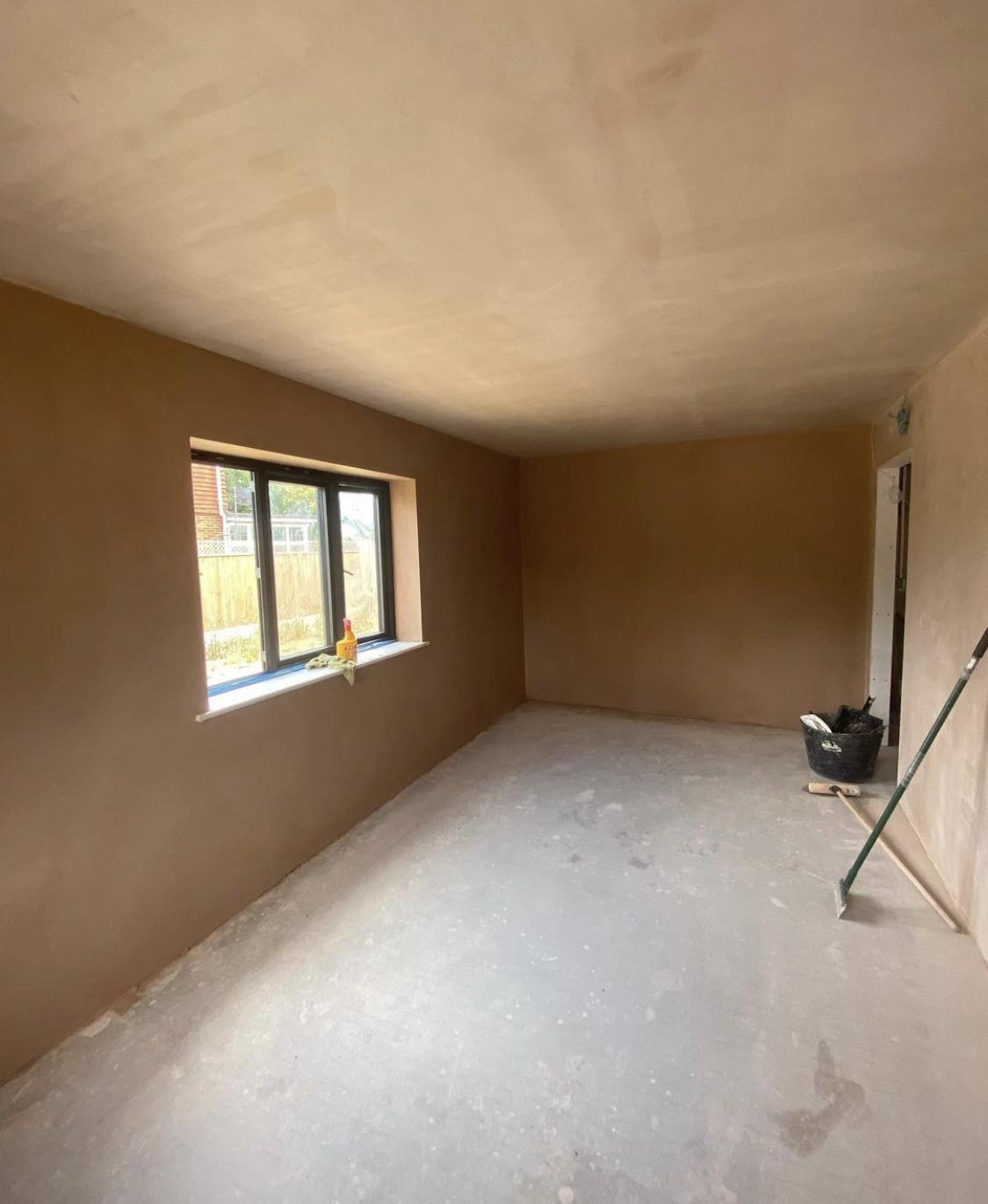
A wall like that has hard brick piers next to soft lime fill and rounded flints that give a trowel little to hold. The work starts by raking out anything loose and brushing the wall down, then evening out the suction so the backing coat does not dry in patches. Deep hollows are dubbed out in several thin layers rather than one heavy coat, and only then is the floating coat ruled off with a straight edge, keyed, and finished with a smooth setting coat. Brighton & Hove City Council's heritage guidance points out that traditionally built walls need to breathe, and that modern impermeable products can trap moisture inside them, so on an old solid wall we agree the backing material with you before anything goes on.
Terraces in North Laine and Hanover
The narrow streets of North Laine are lined with late Regency and early Victorian terraced houses, Kensington Place and Tidy Street among them, while Hanover is a very steep hill of tightly packed Victorian cottages. Common jobs in houses like these are walls opened up for a knock-through, a new doorway or a chimney breast coming out, and party walls hacked back after damp or decades of repairs. Floating the opened sections makes them line up with the old wall either side, so the room reads as one surface when it is painted.
Blockwork extensions
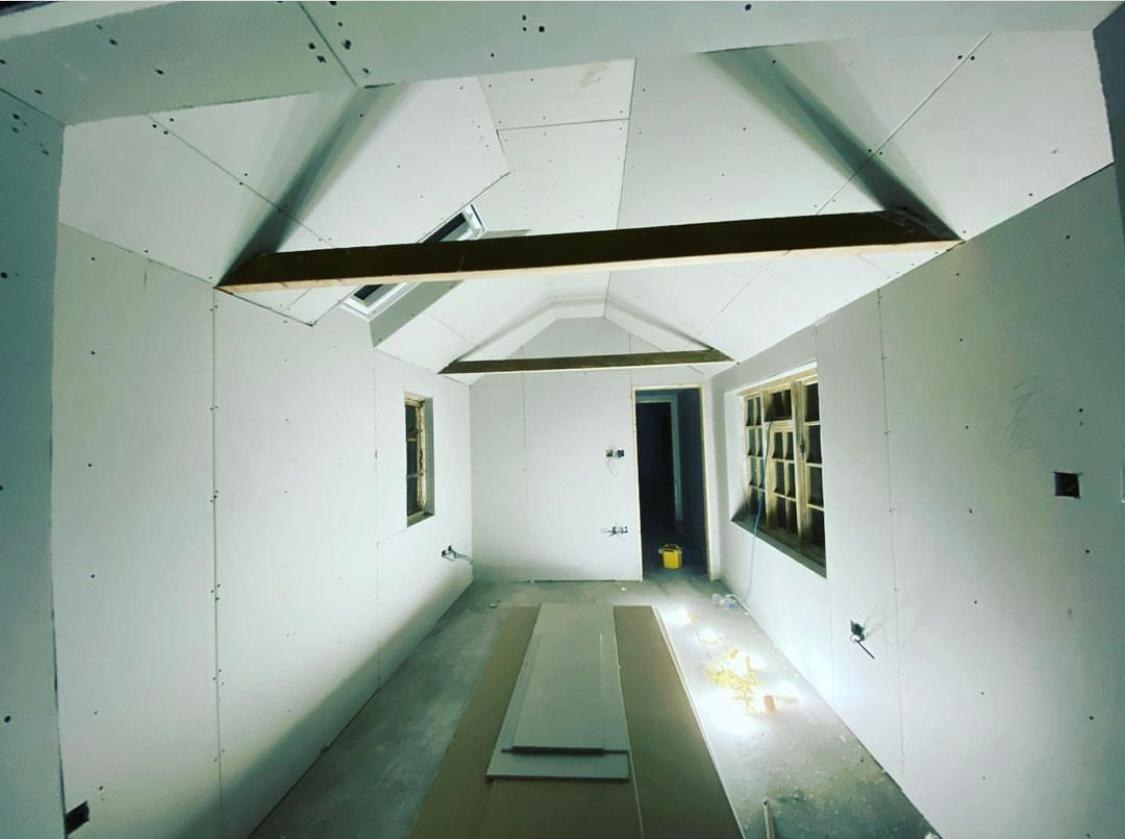
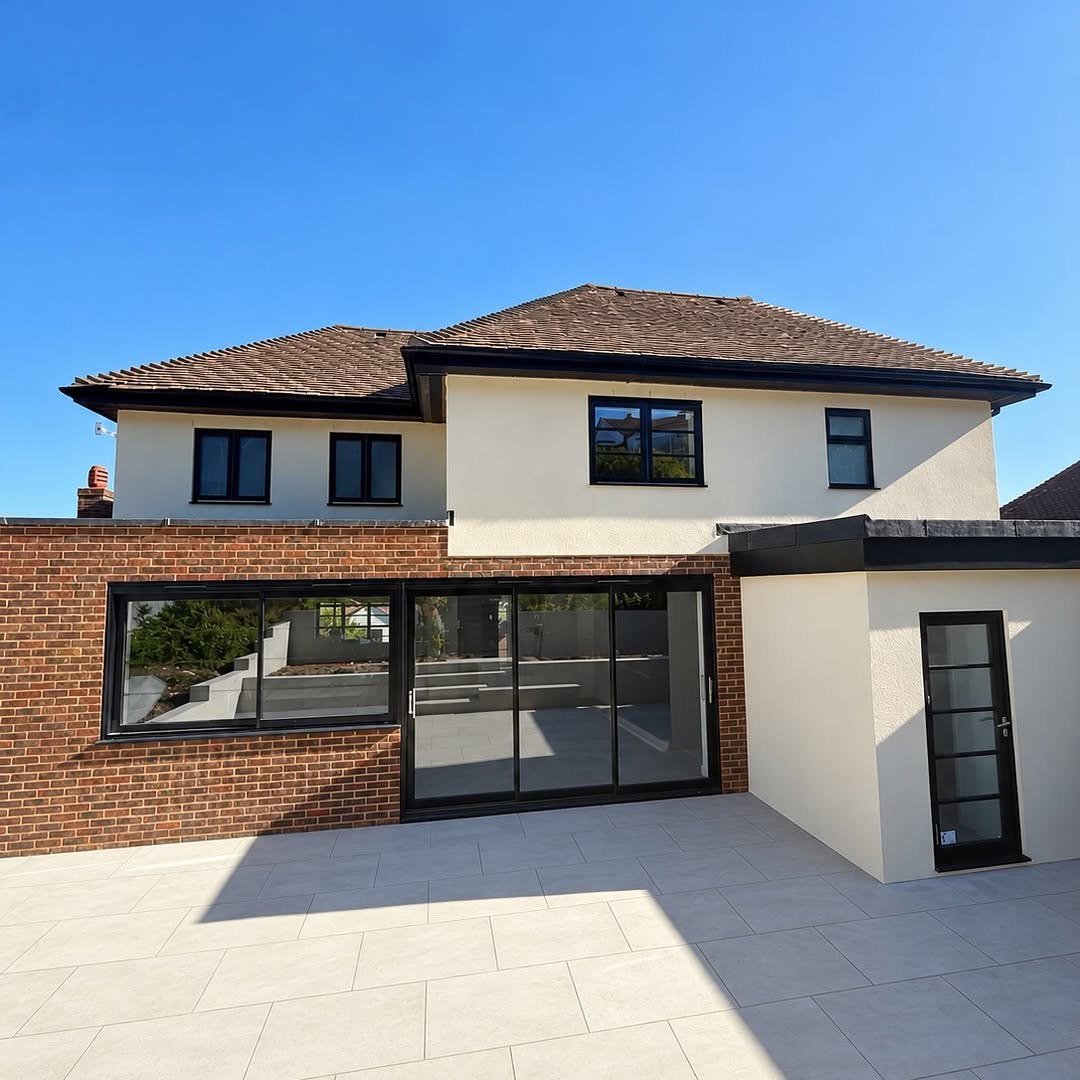
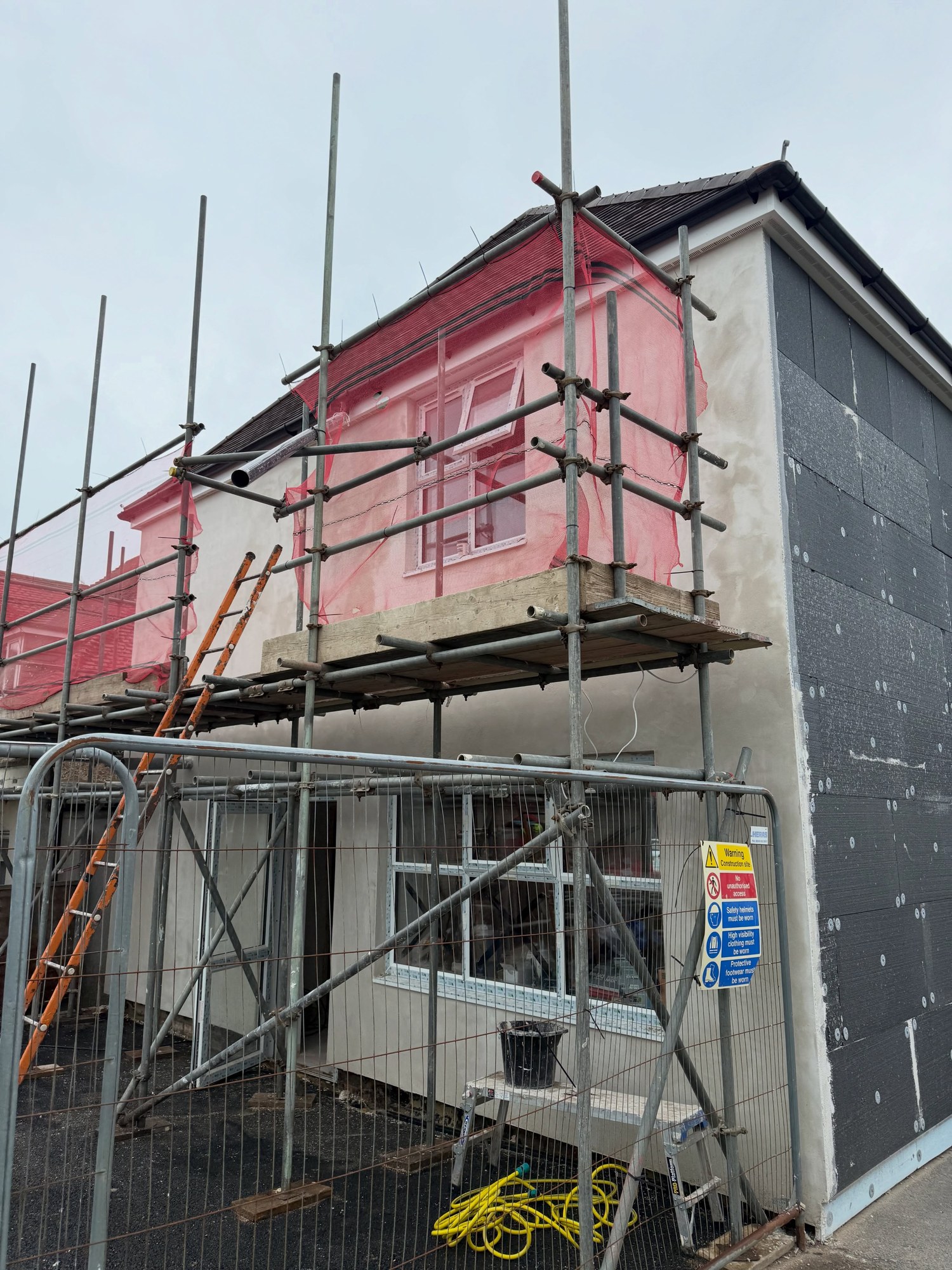
On a new rear extension in blockwork, float and set gives a hard, solid wall that takes shelves, kitchen units and knocks well. Plasterboard is quicker and dries faster, so the choice depends on the room. Where a new block wall meets an old bungaroosh or brick one, the junction needs beading or reinforcing so that the two backgrounds, which move differently, do not open a crack along the line. Our plasterboarding and dry lining service in Brighton covers the boarded alternative.
Before the walls are taken back
- If damp caused the old plaster to fail, the source has to be dealt with first: see damp proofing in Brighton.
- If the house is listed, check with the council before original plaster is removed.
- Floated walls hold a lot of water and need longer to dry than a skim, so leave the decorators a gap.
Pro Finish Plastering covers every neighbourhood in Brighton. Read more on our float and set plastering page, or call 07824 165672 for a free, no-obligation quote.