A town plastered in layers
Bognor Regis grew in stages, and the walls inside its houses show it. Sir Richard Hotham laid out the first resort in the late eighteenth century, the town expanded quickly after the railway arrived in 1864, and twentieth-century suburbs kept spreading until Bognor ran on into Aldwick, Felpham and Middleton-on-Sea. Pro Finish Plastering covers the whole town, and the first thing we look at on any visit is what the walls and ceilings are actually made of, because a finish that suits a post-war semi up towards the A29 can be the wrong answer for a terrace off the High Street.
Regency and Victorian houses near the seafront
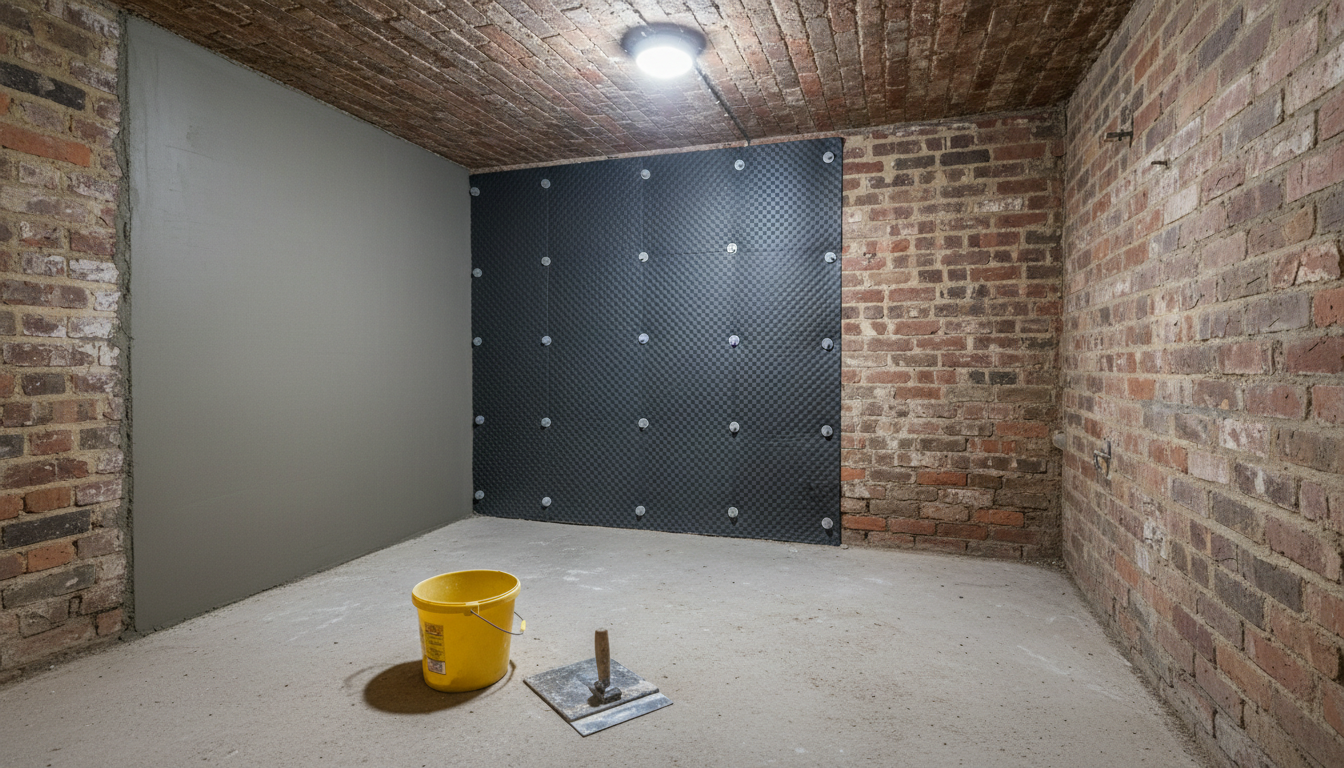
West Sussex County Council's historic survey of Bognor records that stucco was a widespread finish here between about 1810 and 1875, with brick taking over after that. Houses from that period, around The Steyne, Waterloo Square, Glamis Street and the terraces east of the station, were built with solid masonry walls and plastered in lime, and their ceilings were usually lath and plaster. Where that original work survives it needs judgement rather than a blanket skim. Sound lime plaster can be cleaned down, bonded and finished, hollow or crumbling sections come off and are floated back to a true line, and a lath ceiling that has dropped is usually better overboarded than patched. If the house is listed, speak to Arun District Council before any historic plaster is stripped.
Inter-war and post-war suburbs
Between the wars the town spread west and north-west towards North Bersted, and after 1945 new estates reached up to 2.8 kilometres inland between the A259 and the A29. Homes of these decades tend to have plasterboard or sound gypsum plaster that has simply worn: years of redecorating, old picture hooks, filled cracks and the scars of a rewire. A fresh two-coat skim in British Gypsum plaster is normally all they need. Where a ceiling in one of these houses still carries a textured coating, we explain how that is dealt with on our page about plastering over Artex in Bognor Regis.
New builds and extensions: the Aldwick Bay house
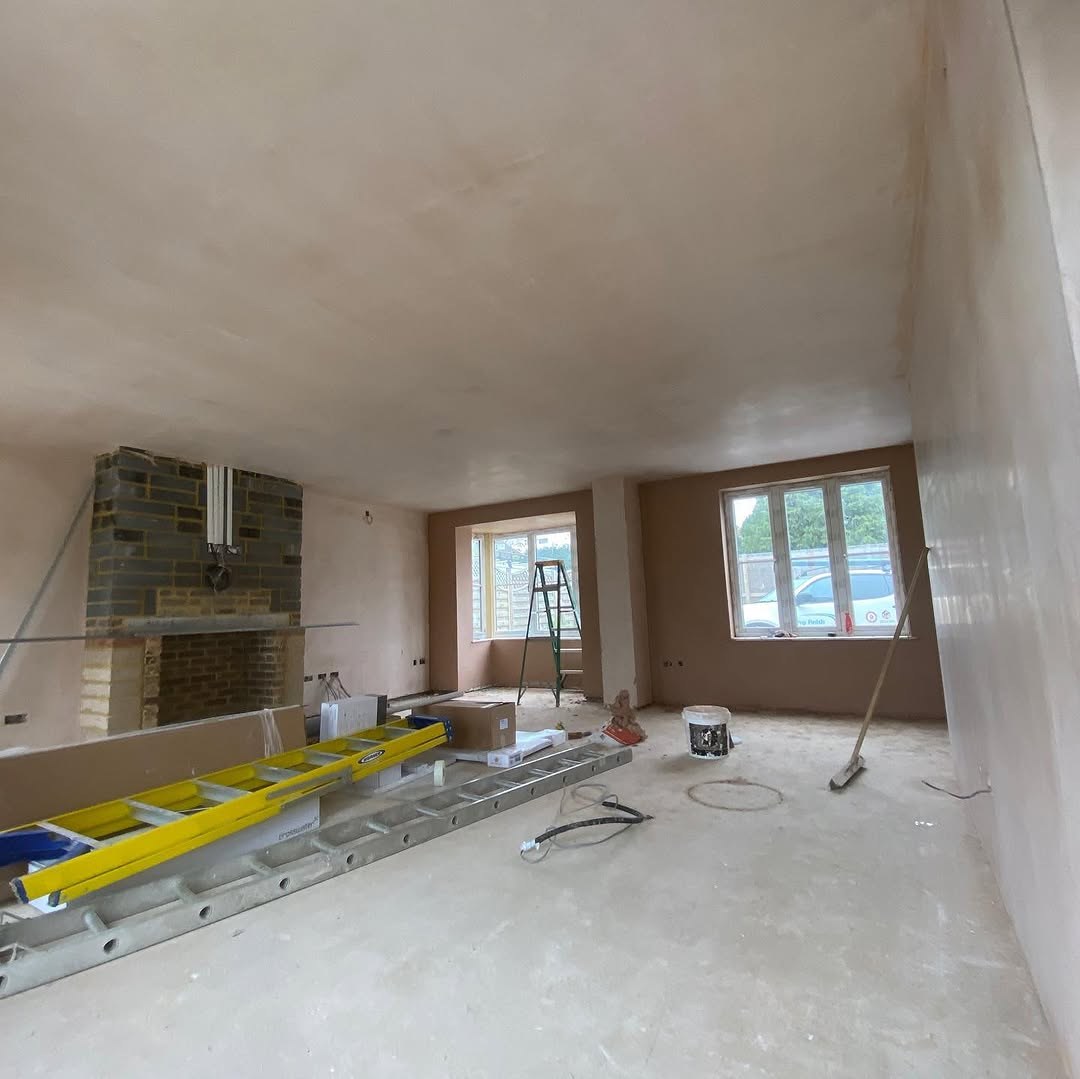
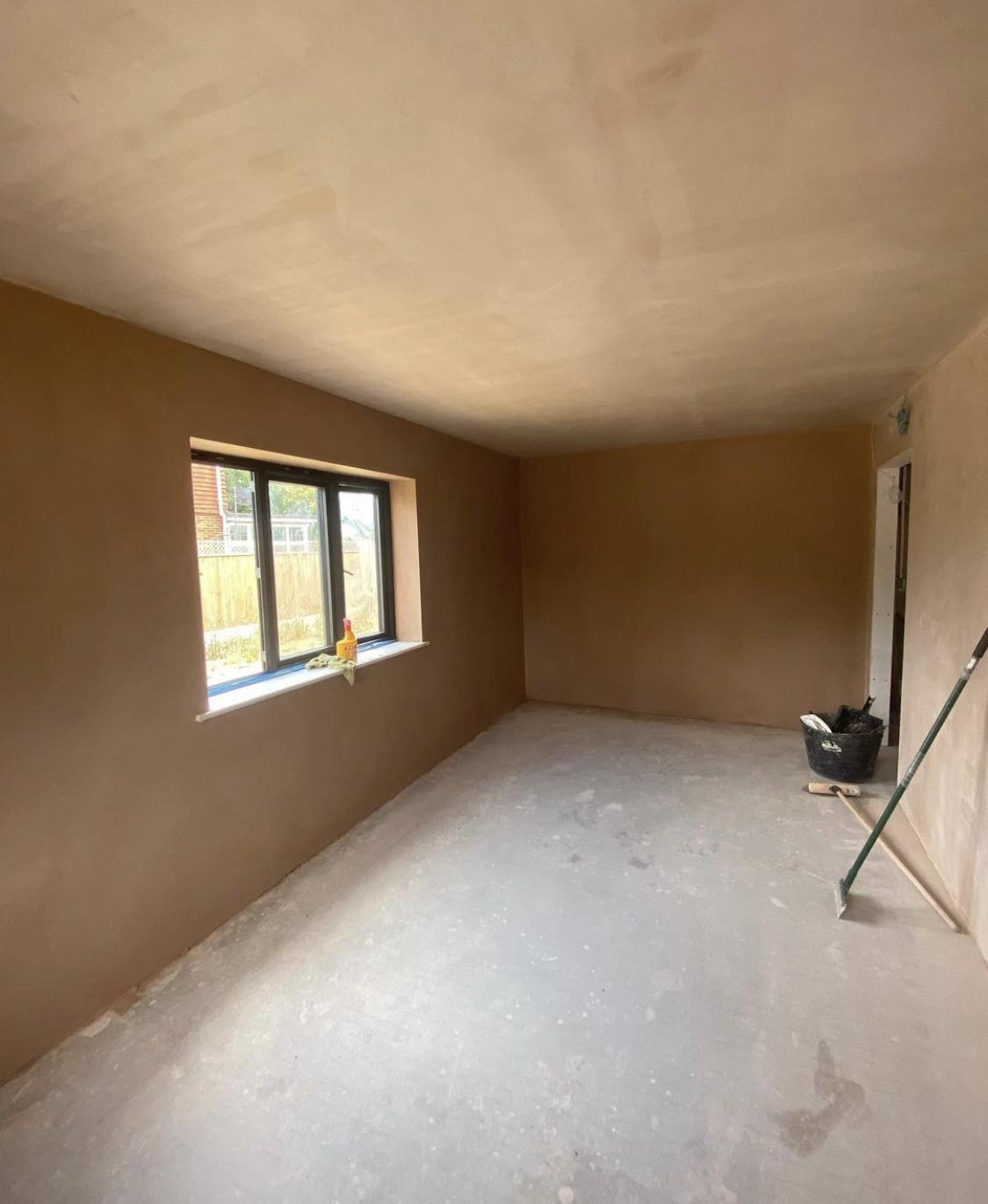
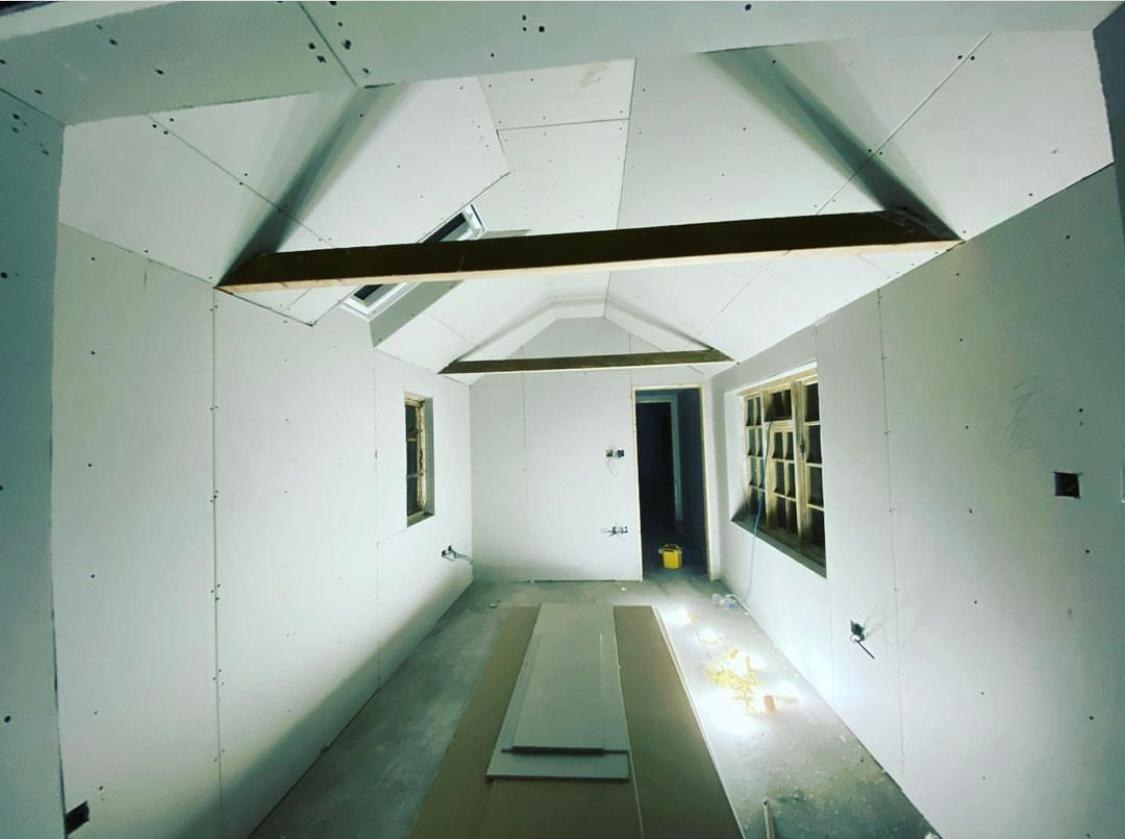
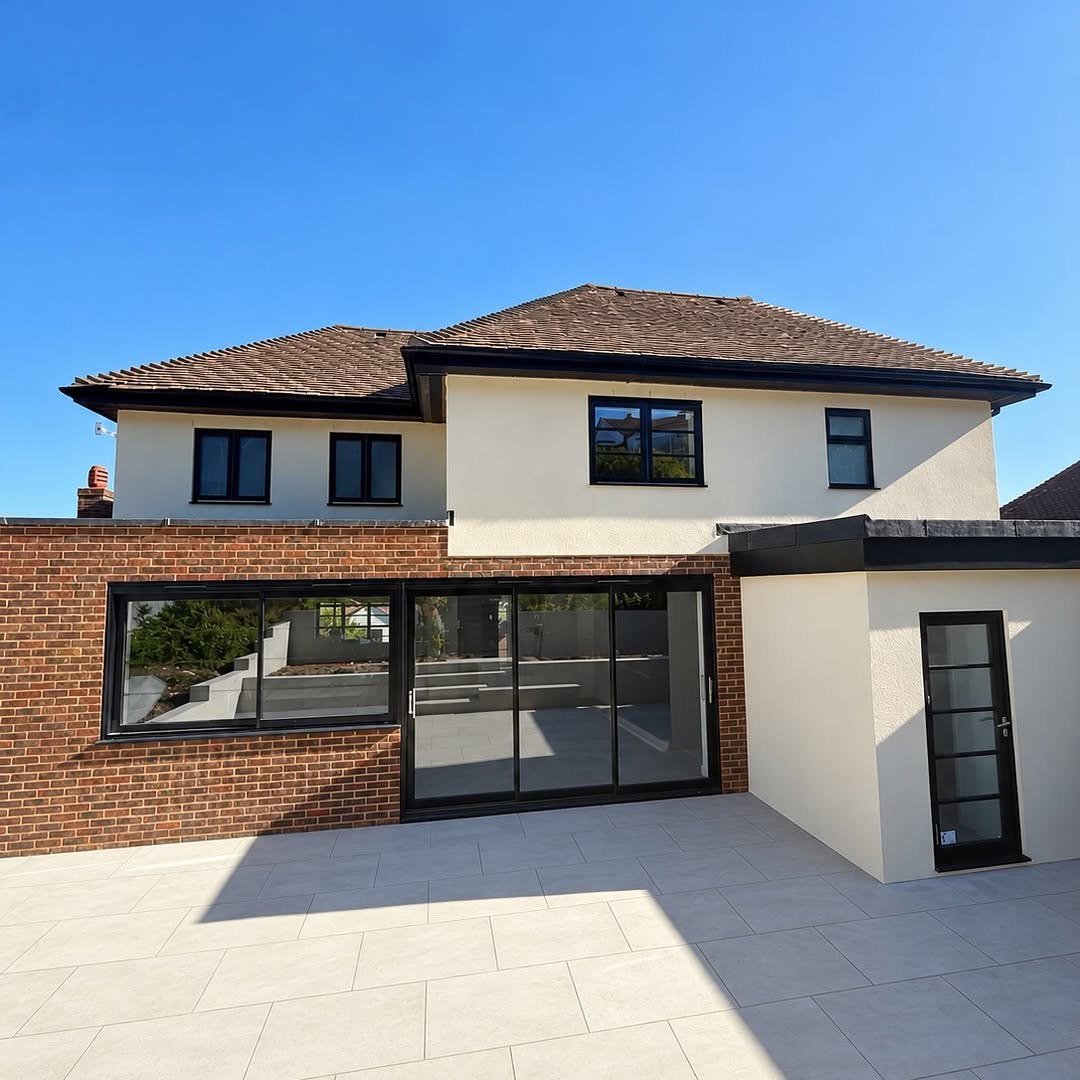
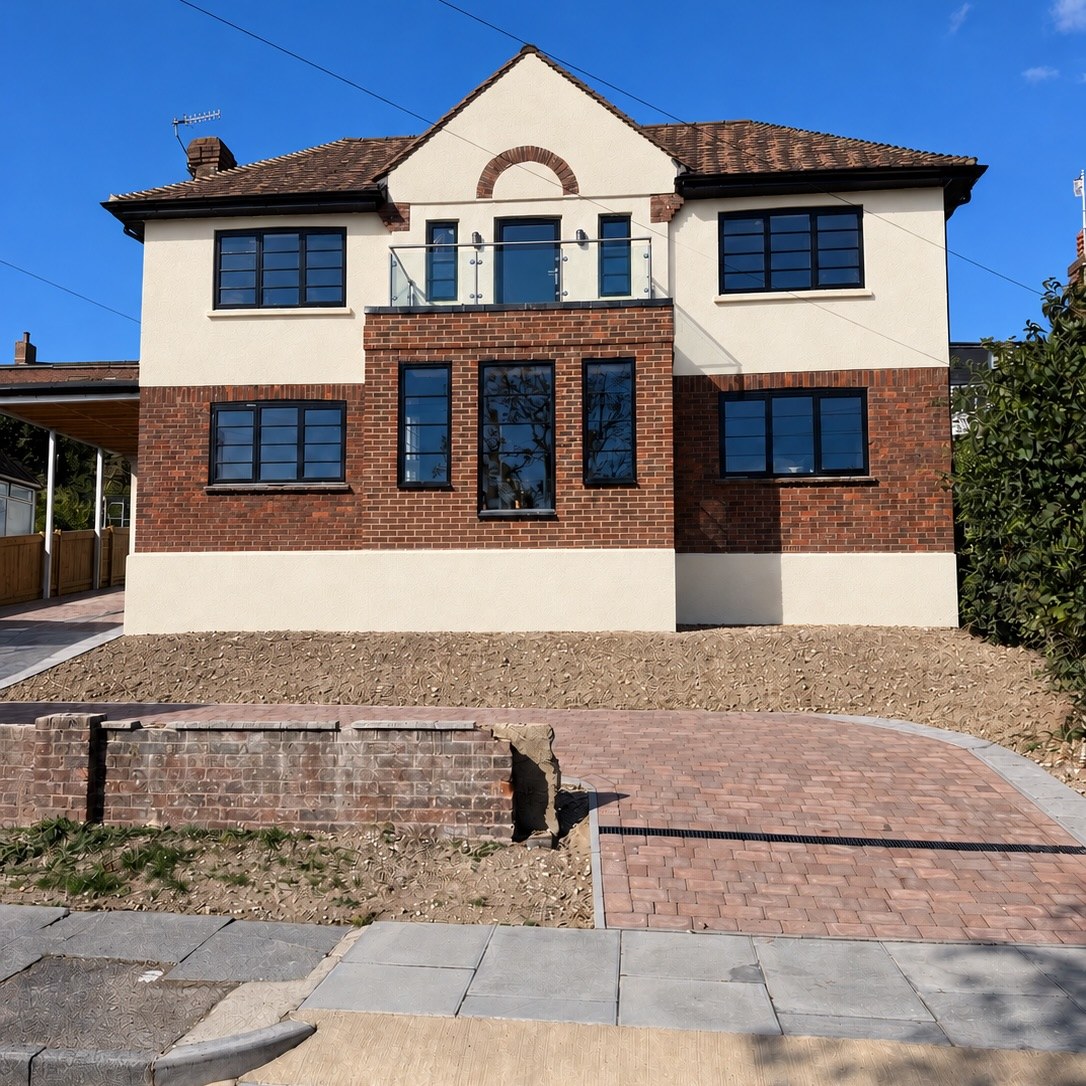
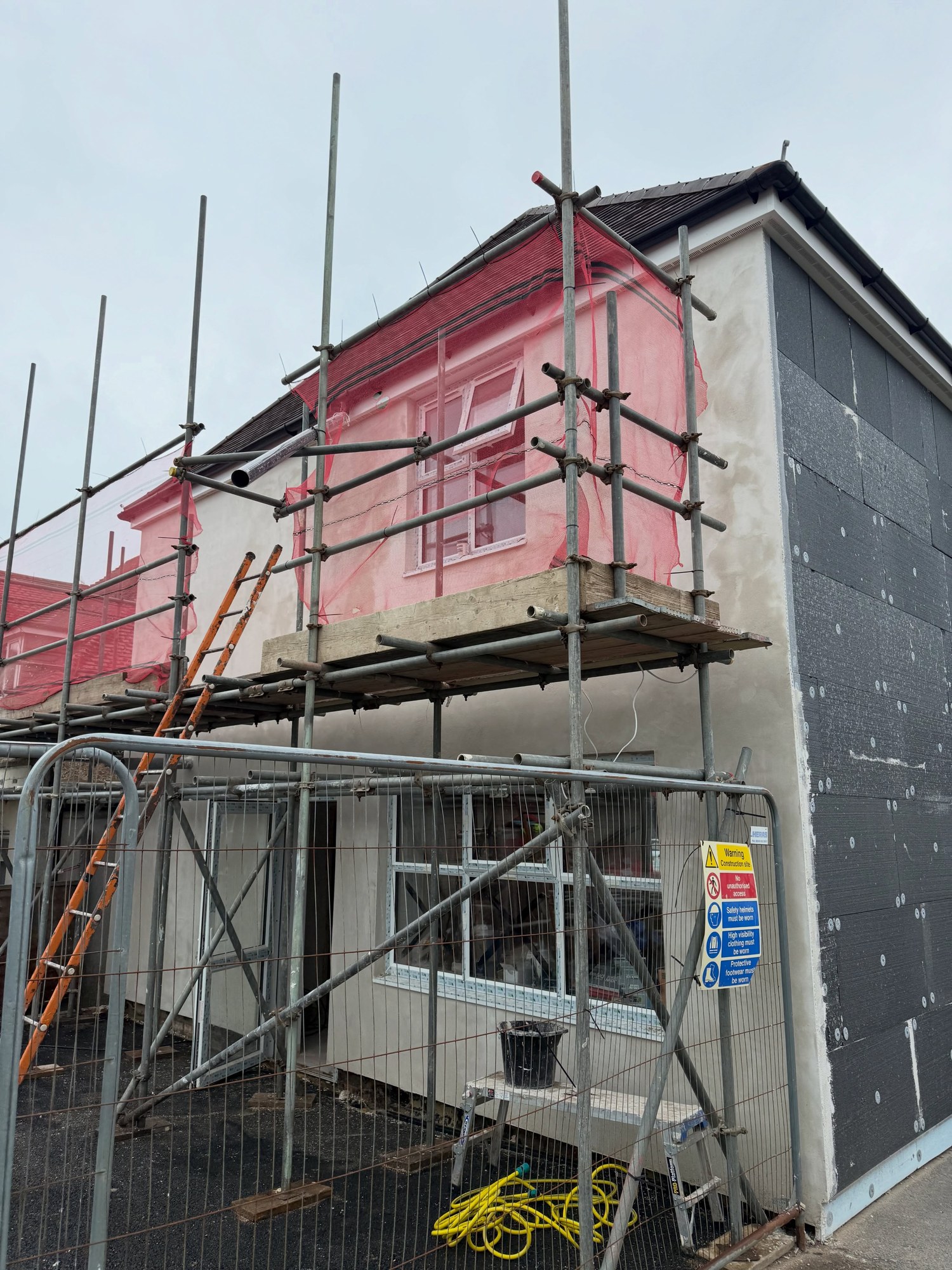
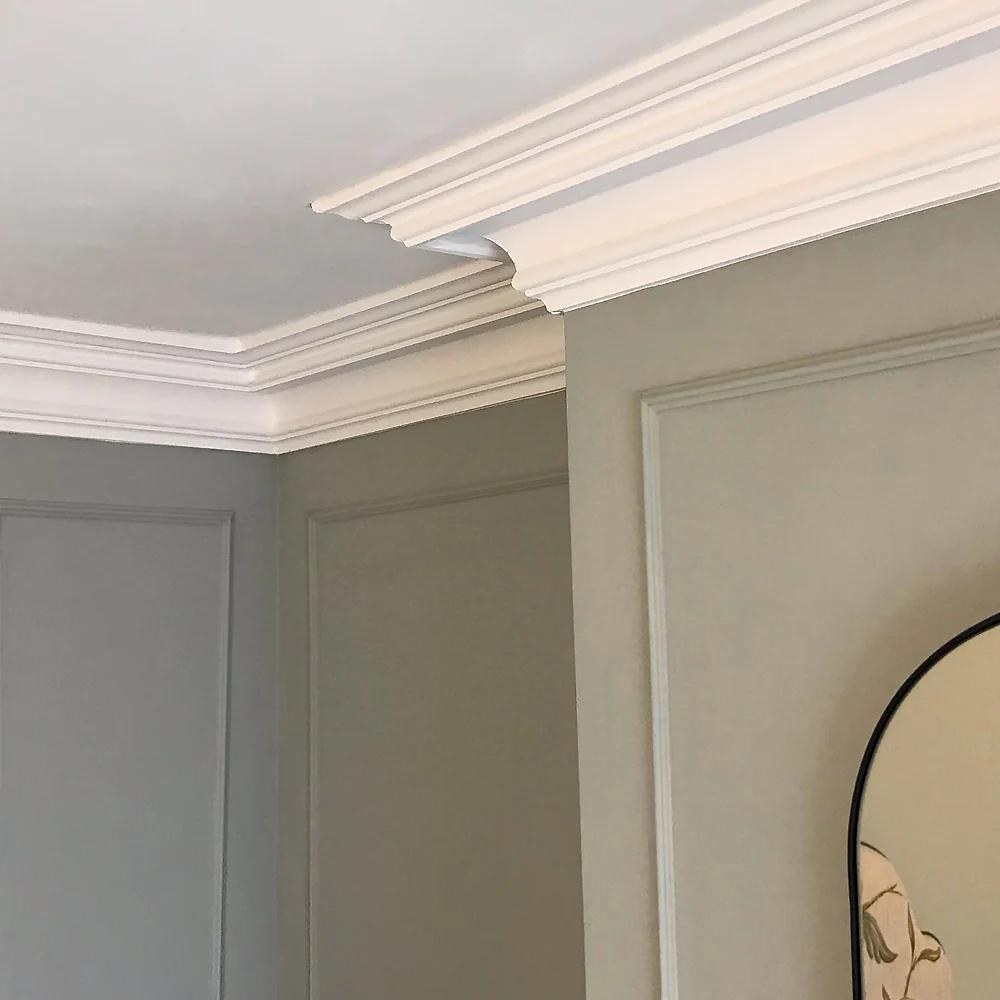
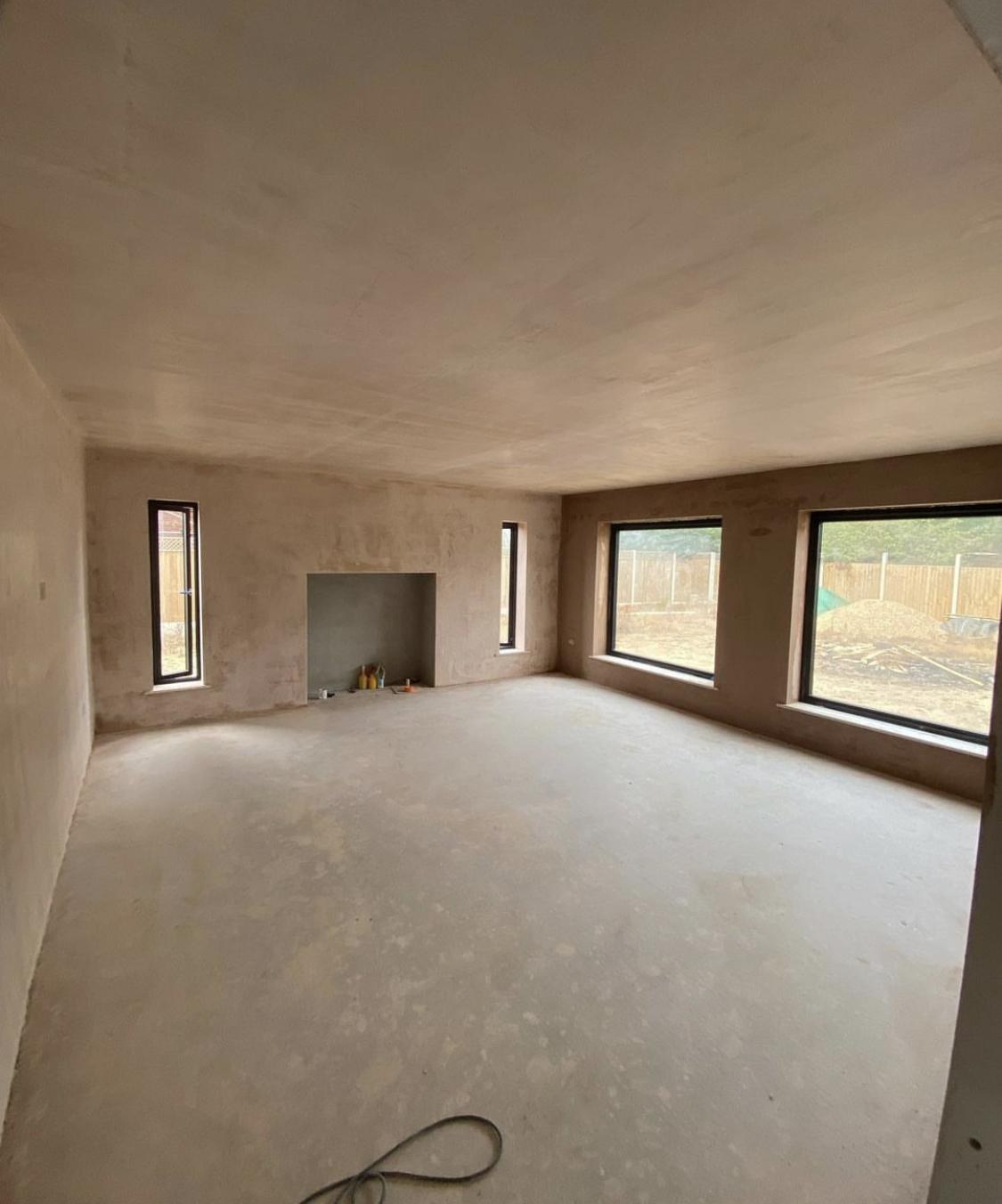
At Aldwick Bay, on the western side of Bognor Regis, Pro Finish plastered a six bedroom new build throughout. The loft and first floor were tacked, the ground floor walls and first floor external block walls were solid plastered, and every wall and ceiling in the house was then skimmed. Cornice went in afterwards, including around a roof lantern, which you can read about on our coving and cornice page for Bognor Regis. The photographs and full scope are on our projects page. Extensions follow the same sequence on a smaller scale: board or float the new walls, skim, then let the room dry properly before the decorators arrive.
Before you book
A few things make a Bognor plastering job go smoothly:
- Get the first fix done first. Electricians, plumbers and kitchen fitters should finish chasing and making holes before the finish goes on.
- Tell us about past water. Parts of the town flooded in 2012 and again during the very wet autumn of 2023. Walls that have been wet need drying and assessing before they are skimmed, or the new plaster will stain and blow.
- Allow drying time. Fresh plaster in a cold seaside house in winter takes longer to dry than people expect. Gentle heat and an open window beat a fan heater on full.
- Send photos. A few pictures of each room, with the ceilings, lets us tell you whether it is a skim, a float or new boards.
You can read more about our plastering and skimming service and see everything else we do in Bognor Regis. For free, no-obligation advice, call 07824 165672.