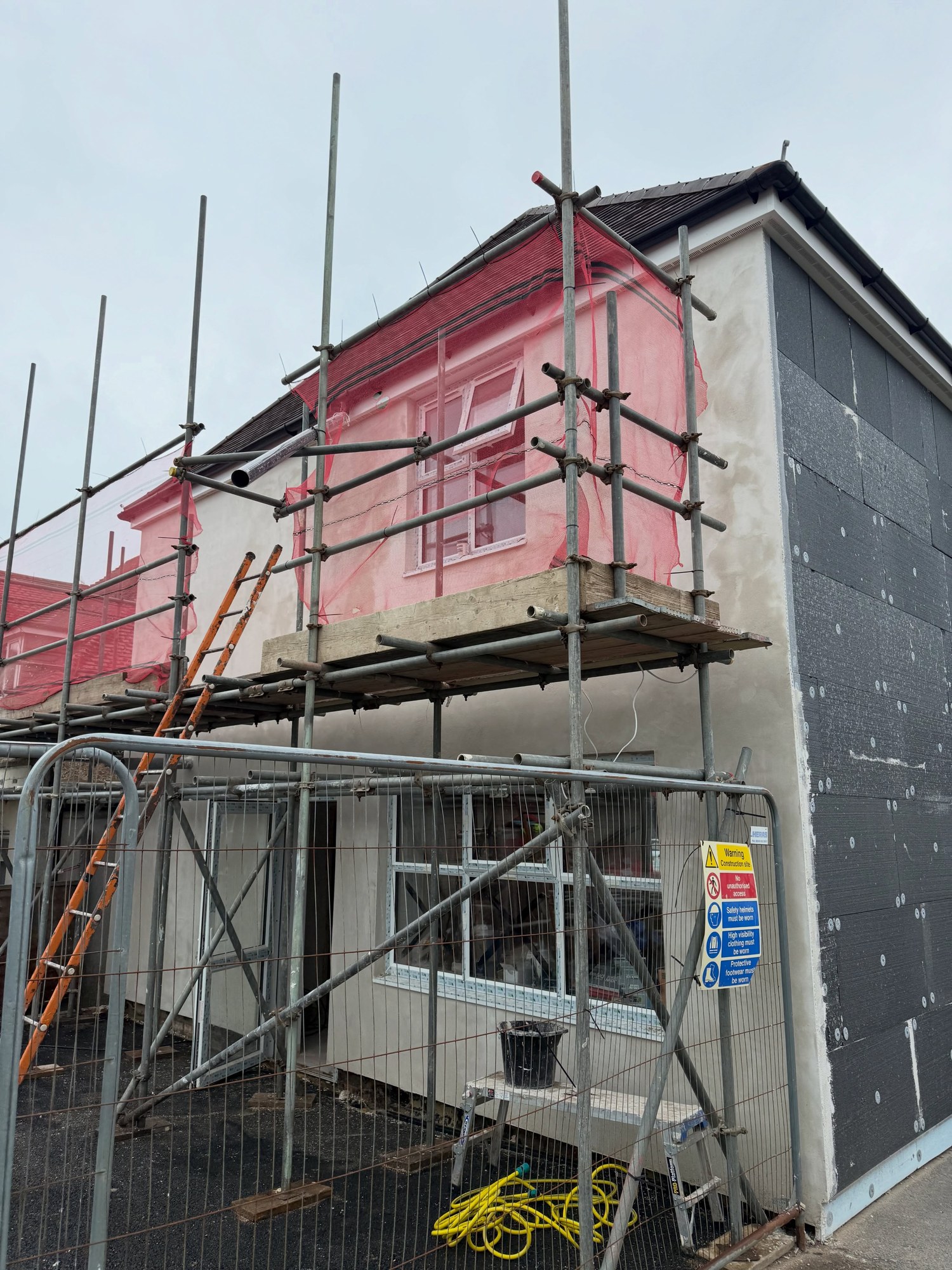
Which Littlehampton walls benefit most
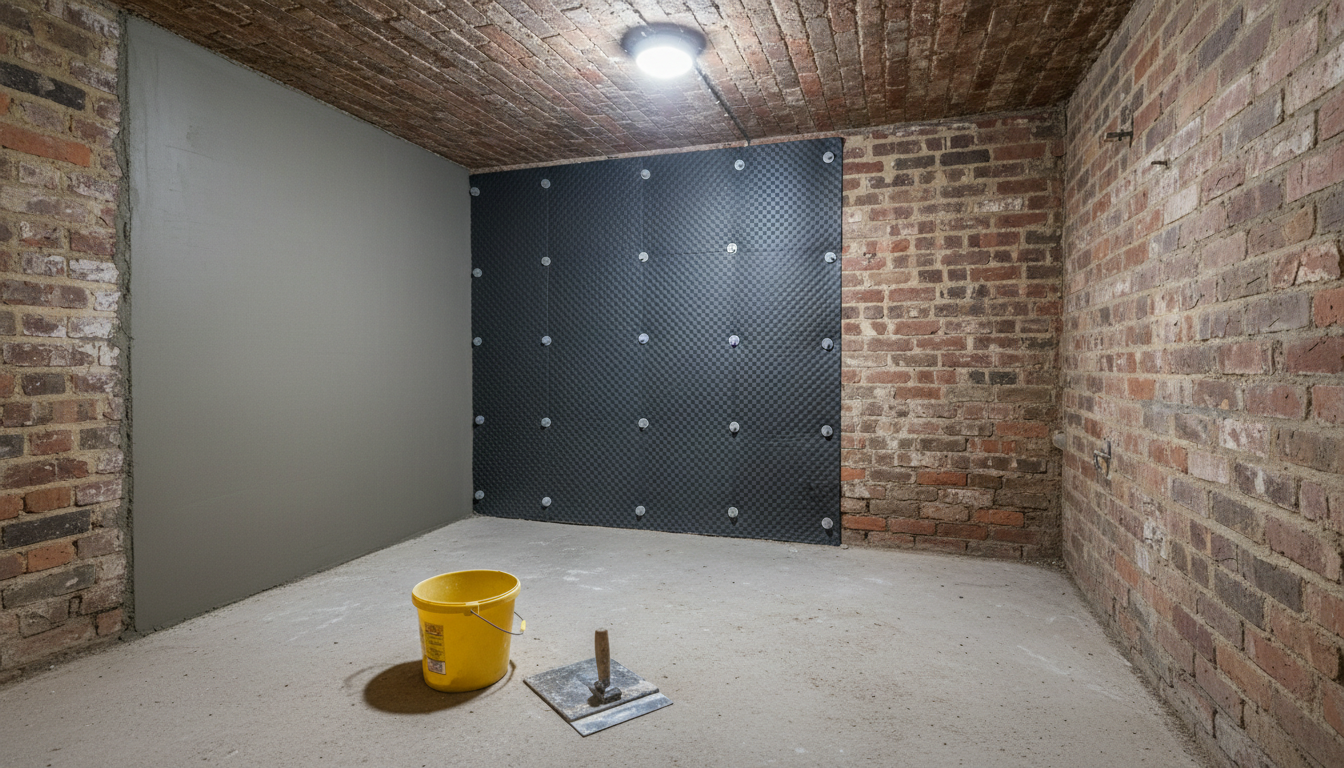
External wall insulation makes the biggest difference on solid walls, which have no cavity to fill. Littlehampton's oldest buildings fall squarely into that group: the Sussex Extensive Urban Survey describes late eighteenth-century brick terraces in Surrey Street and Beach Town, and flint used both as cobbles and in knapped form on eighteenth-century houses, usually with brick dressings. Many of the town's Victorian terraces, along streets such as New Road, Clifton Road and Bayford Road, also predate the widespread use of cavity walls.
Houses built later in the twentieth century, in the outer suburbs towards Wick and the A259, are more likely to have cavity walls, which are normally insulated by filling the cavity rather than with boards outside. If yours already has filled cavities, an external system is rarely the next step, though a render refresh may still be due.
Planning and building control come first
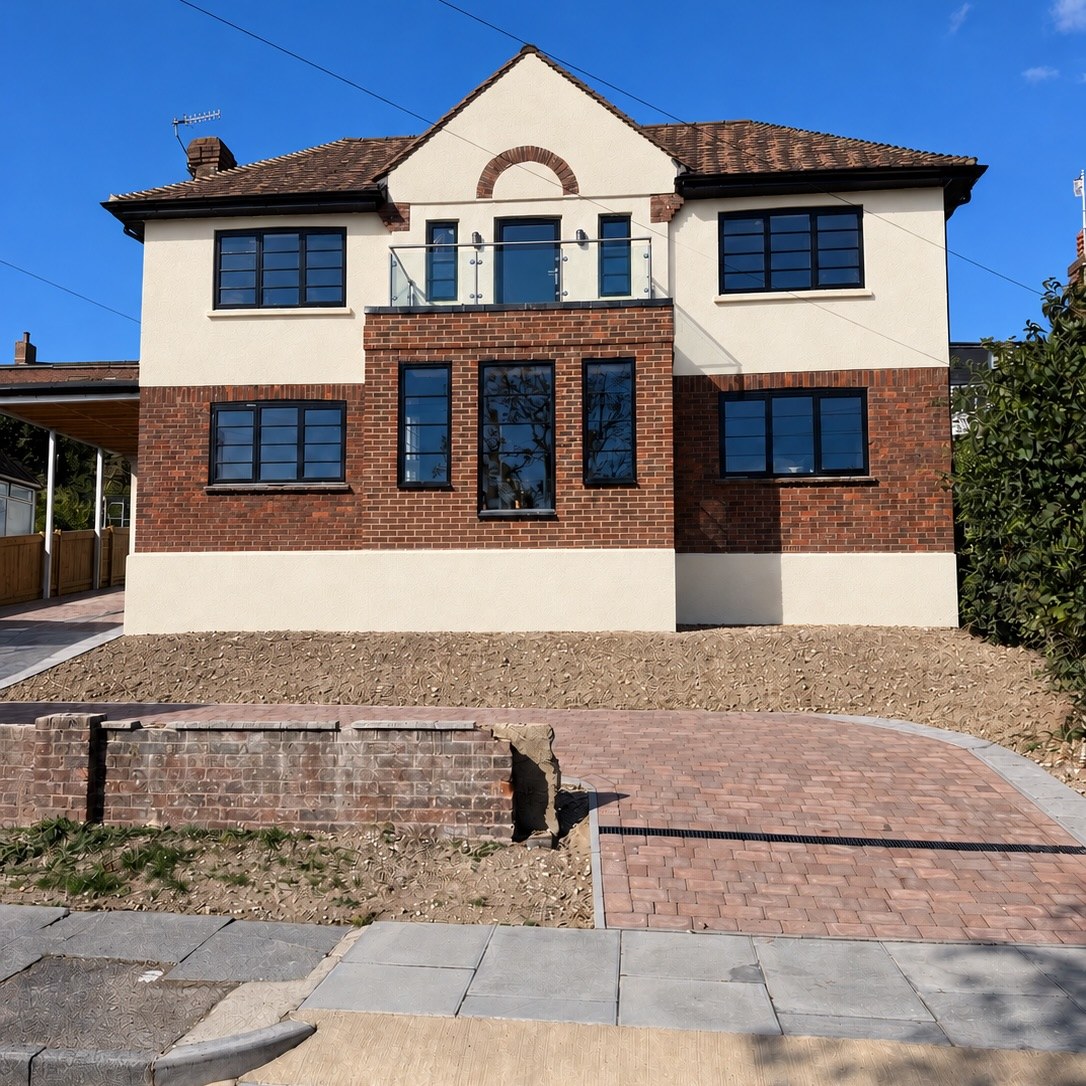
Insulating and re-rendering outside walls can need Building Regulations approval, and in a conservation area or on a listed building it can need planning consent. In Littlehampton that is a real consideration. The town has conservation areas around East Street, River Road and the seafront; Arun District Council has also identified areas of special character, including parts of South Terrace, Norfolk Road and Fitzalan Road; and the urban survey counts 72 listed buildings in the historic town, all Grade II. A brick or flint front in one of those places is unlikely to be the right candidate for boards and render, and insulating from the inside with insulated plasterboard may be the better route.
Boards and render on the right house
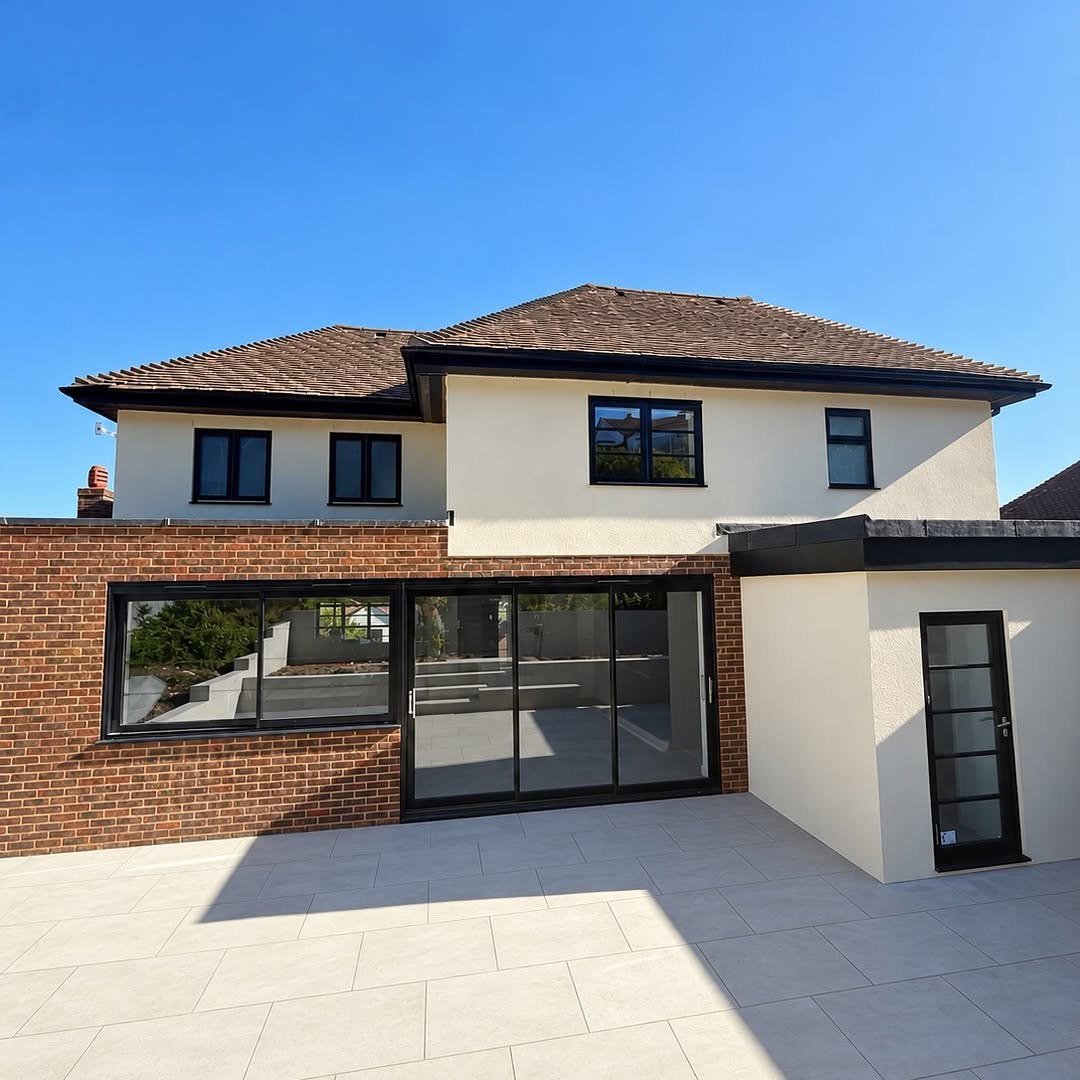
On a suitable house, often a rendered or plain-brick property outside the protected areas, the system goes on in a set order: a level starter track at the base, insulation boards bonded and mechanically fixed with staggered joints, a basecoat with reinforcing mesh, beads at every corner and opening, and a render finish, frequently a through-coloured silicone. Before the first board goes up, everything fixed to the wall, such as downpipes, outside lights and the gas meter box, has to be planned around, and window sills and eaves may need extending because the wall gets thicker. On a terrace or a semi, the junction with the neighbouring house needs careful detailing so the change in thickness looks deliberate.
Cork render for older walls
Cork render is made with cork granules and applied as a thicker coat than an ordinary render. The cork insulates and allows moisture to pass, so it suits an older solid wall that needs to stay breathable. It adds less insulation than a board system, but it is slim enough to avoid most of the trouble at sills and eaves. For a flint and brick building, any change to its outer face needs discussing with the council first, particularly in the East Street and River Road areas.
Next steps
Send us photos of each elevation and tell us whether the house is listed or in a conservation area. You can also read about our rendering in Littlehampton and silicone rendering in Littlehampton, the full external wall insulation and cork render page, and our Littlehampton area page. Call 07824 165672 for free, no-obligation advice.