Big houses, new layouts
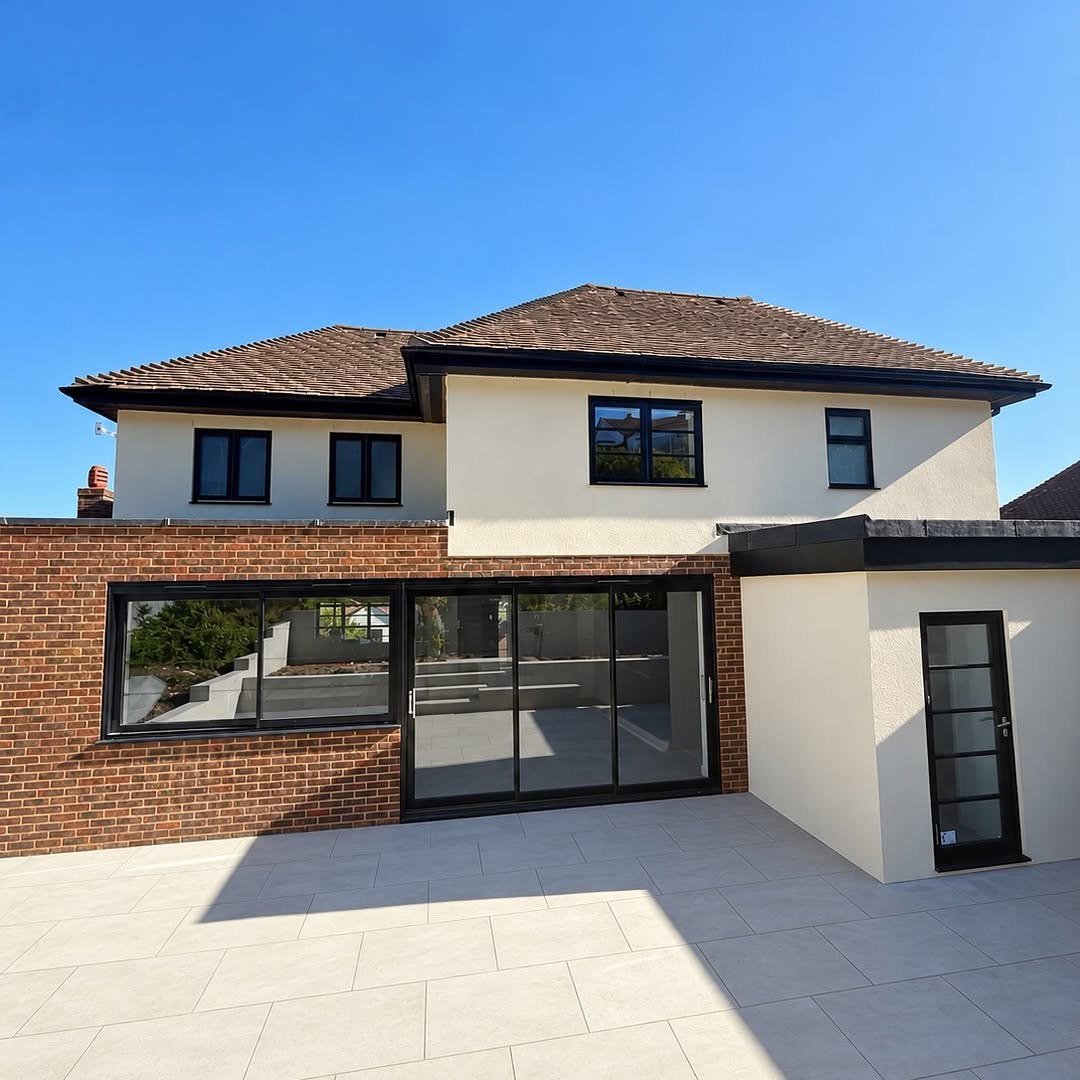
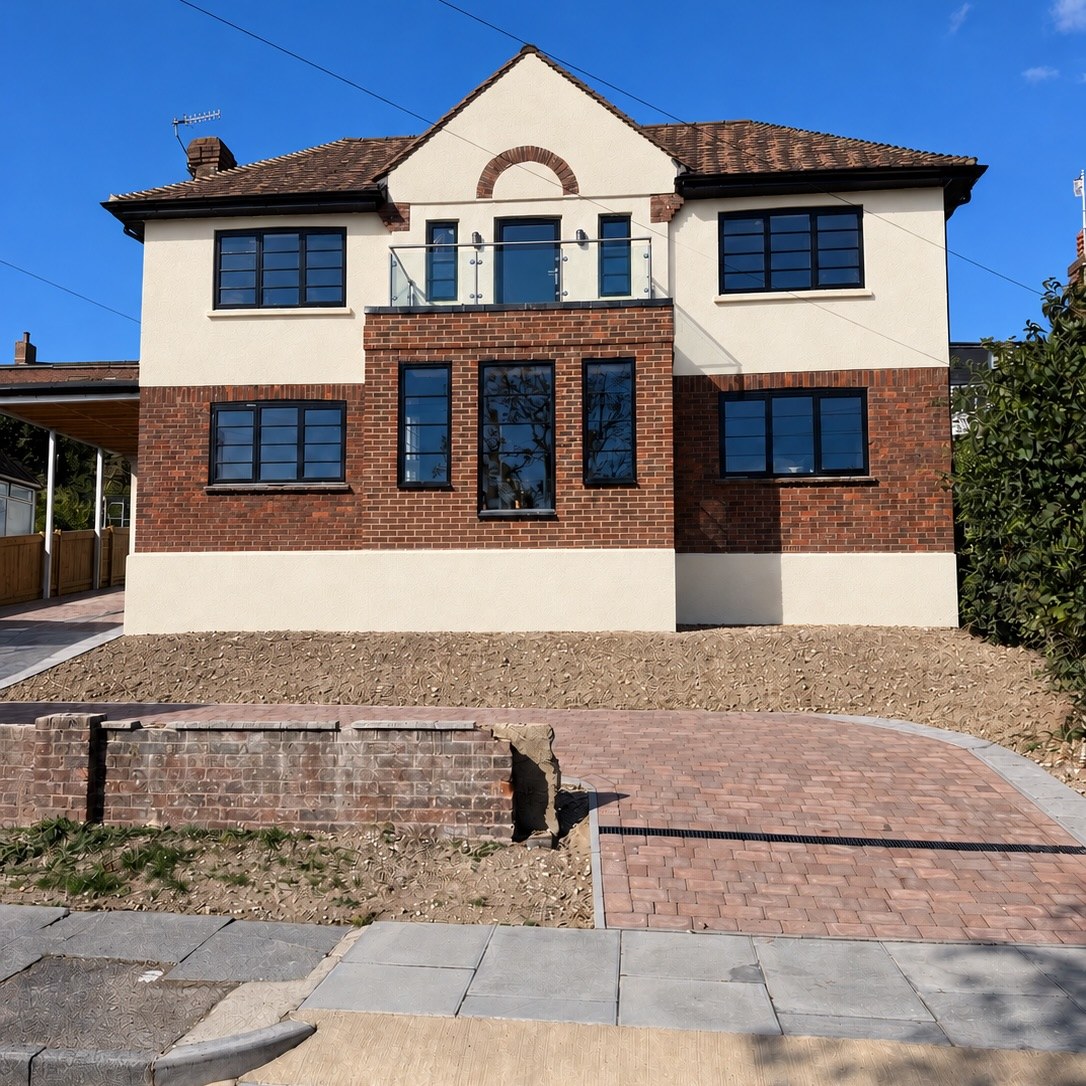
Some of Littlehampton's largest houses stand in the streets between Beach Town and the town centre. Arun District Council's areas of special character describe mostly Edwardian detached and semi-detached houses of two to two and a half storeys along parts of Fitzalan Road, Selborne Road, Irvine Road, Beach Road and Granville Road, and large Queen Anne revival houses with jettied upper floors along part of Norfolk Road. Between the wars, more large detached villas were built on curving roads such as Maltravers Drive and St Winefride's Road.
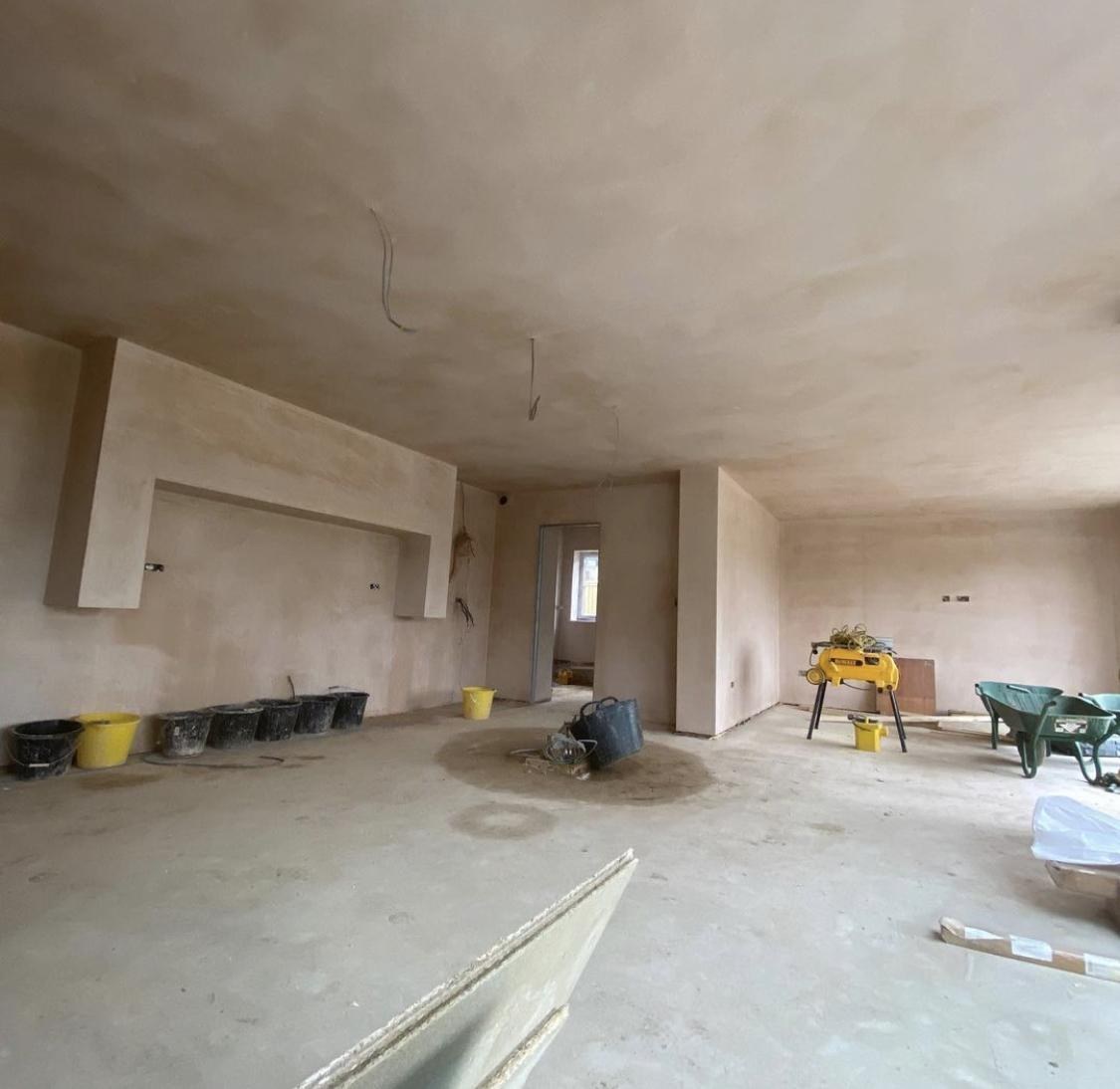
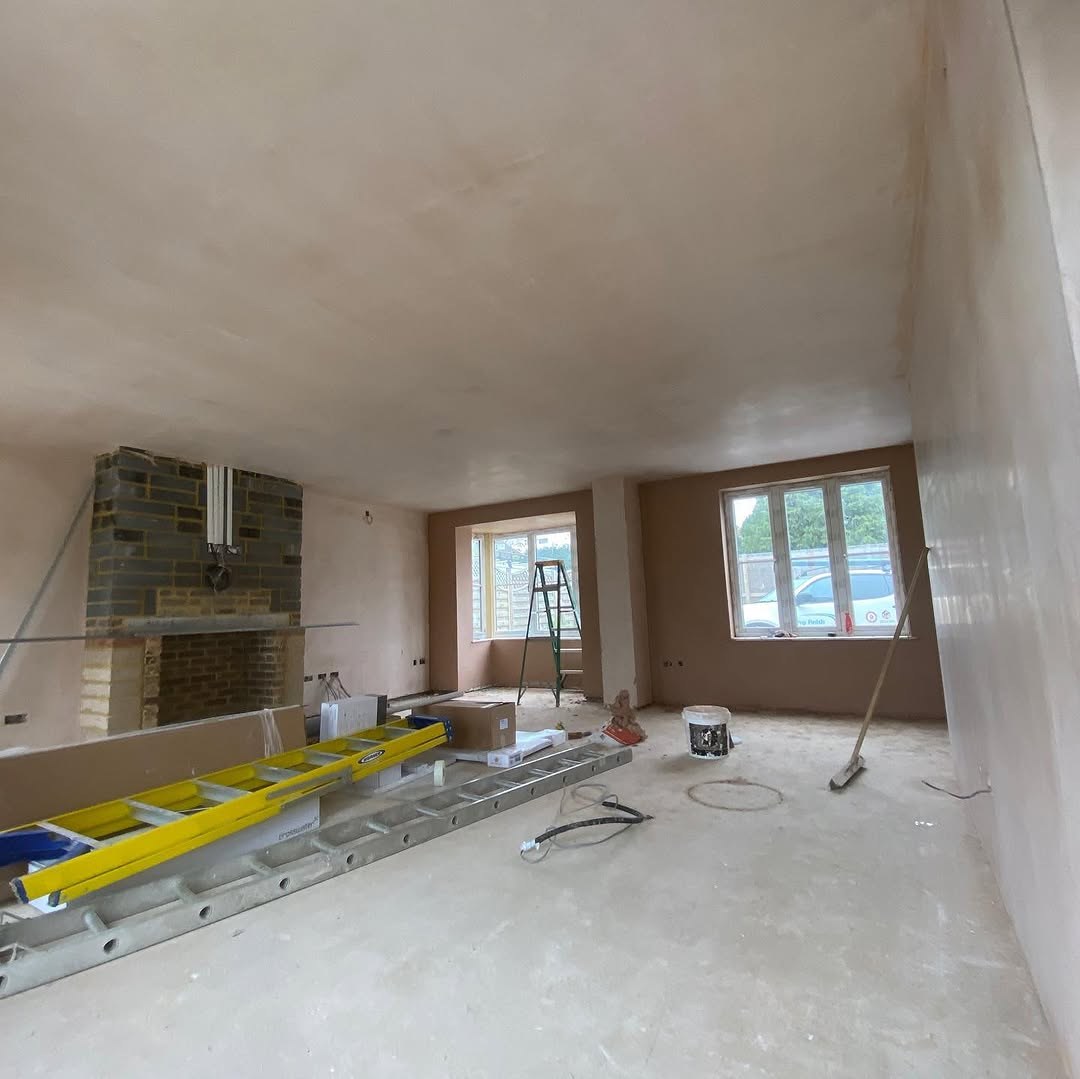
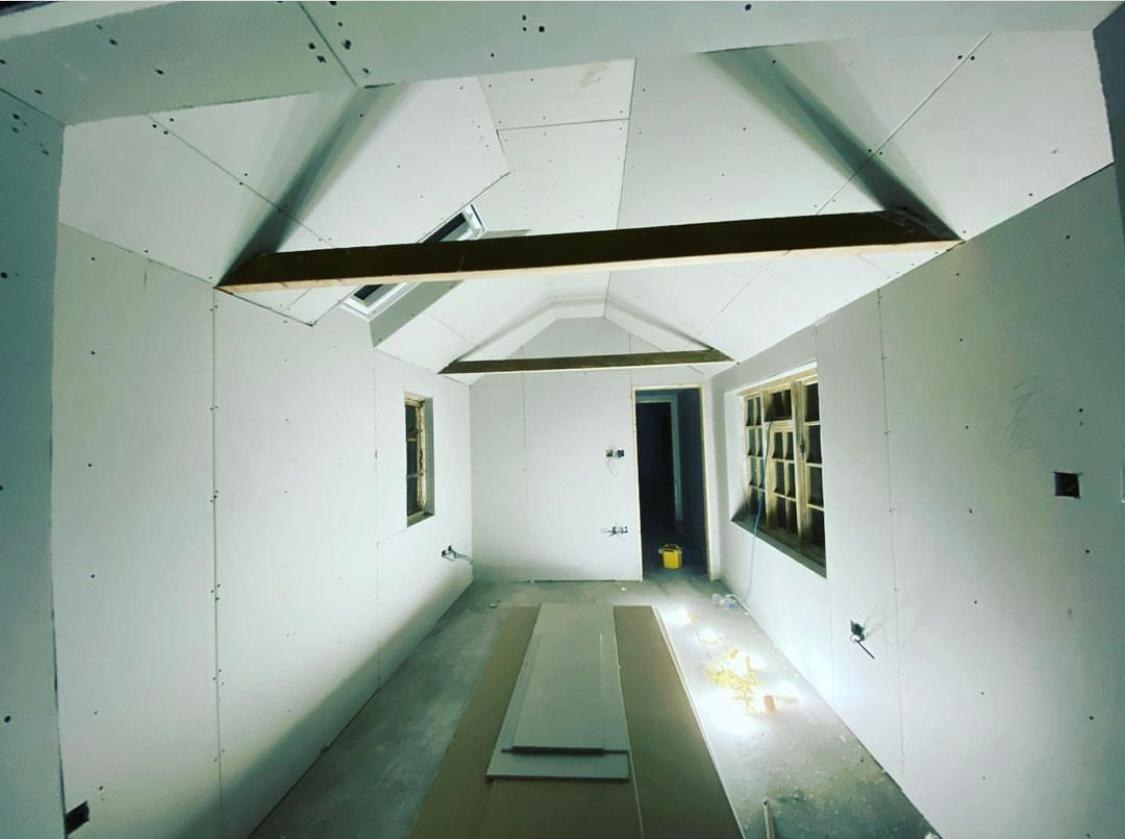
Houses of that size are often reworked: a loft turned into bedrooms, a ground floor opened up, or the whole building divided into flats. Each of those jobs is mostly dry lining.
Lofts and rooms in the roof
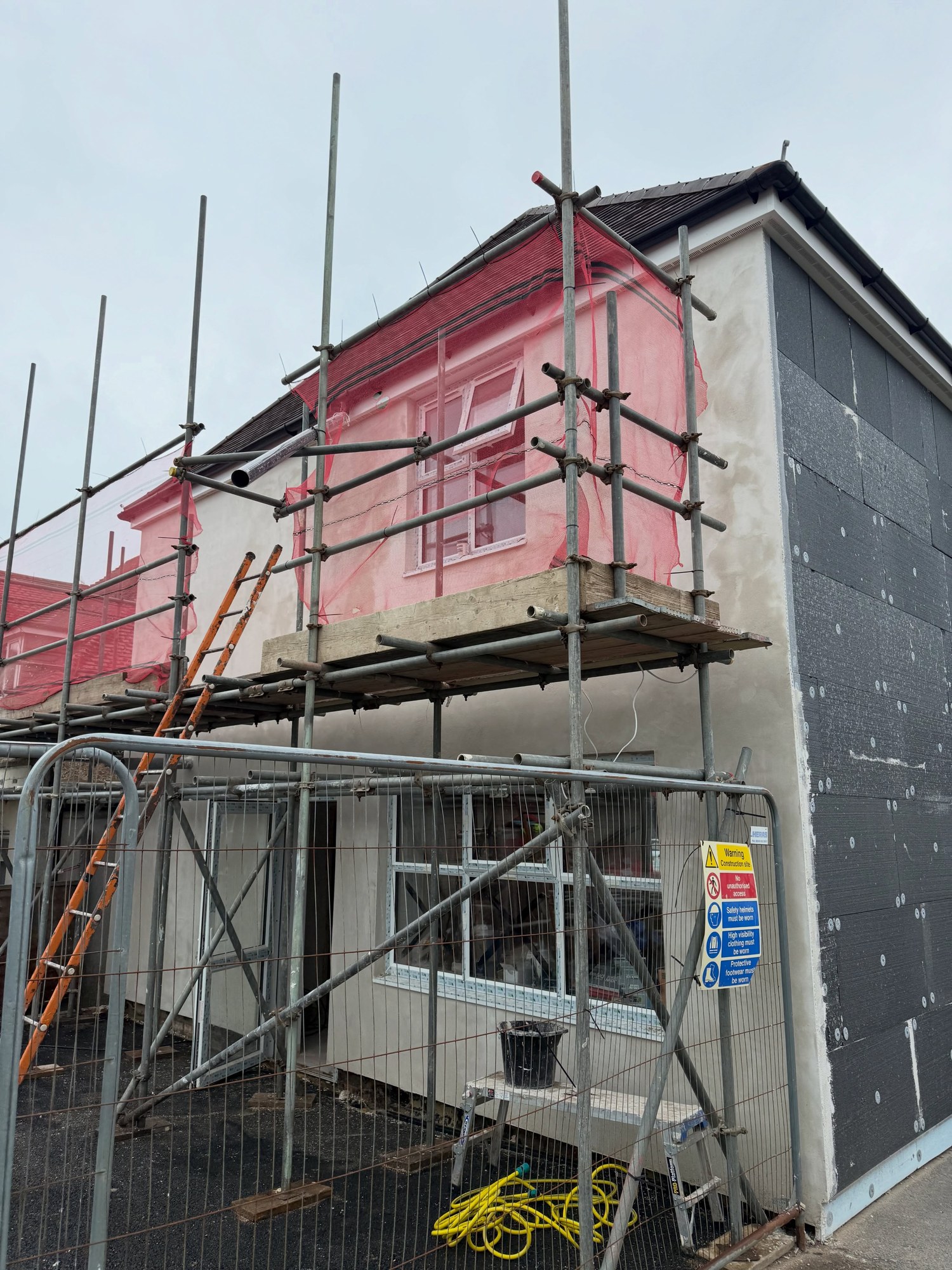
A loft room needs insulation between and below the rafters, stud walls to form the rooms, and plasterboard tacked to the timbers before it is skimmed. In a two-and-a-half-storey house part of the roof is often already in use, so upgrading an existing attic usually means stripping tired linings, adding insulation that meets current standards and reboarding. Fire protection matters on any new storey, especially along the escape route down the stairs. Building Regulations set what is needed, your architect or building control officer specifies it, and we board to that.
Converting a house into flats
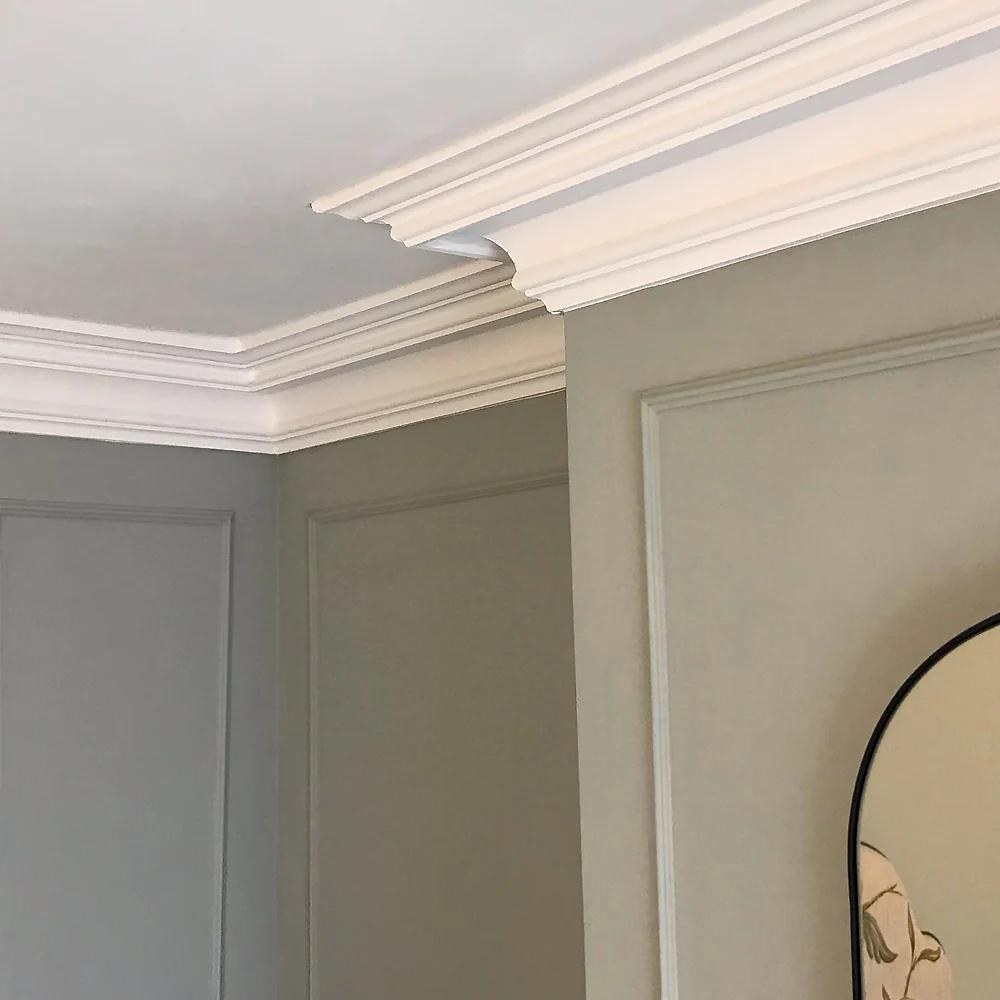
Where a large villa becomes several flats, the walls and floors between them have to stop sound and slow the spread of fire. That usually means metal or timber stud partitions with mineral wool in the cavity, denser or fire-resistant boards, and careful sealing around sockets, pipes and junctions, because noise finds the smallest gap. Metal frame ceilings are useful where the floor above cannot be touched: a suspended steel grid gives a level new ceiling, space for insulation, and a void for services. Once boarded, everything is finished with a two-coat skim so the joints never show.
Commercial units and shops
Away from the houses, Toddington has a large business park and the town centre has shops along the High Street and Beach Road. Commercial fit-outs there call for straight, quick partitions, suspended ceilings and fire-resistant linings, planned around opening hours where possible so a business can keep trading while the work goes on.
Boards or wet plaster
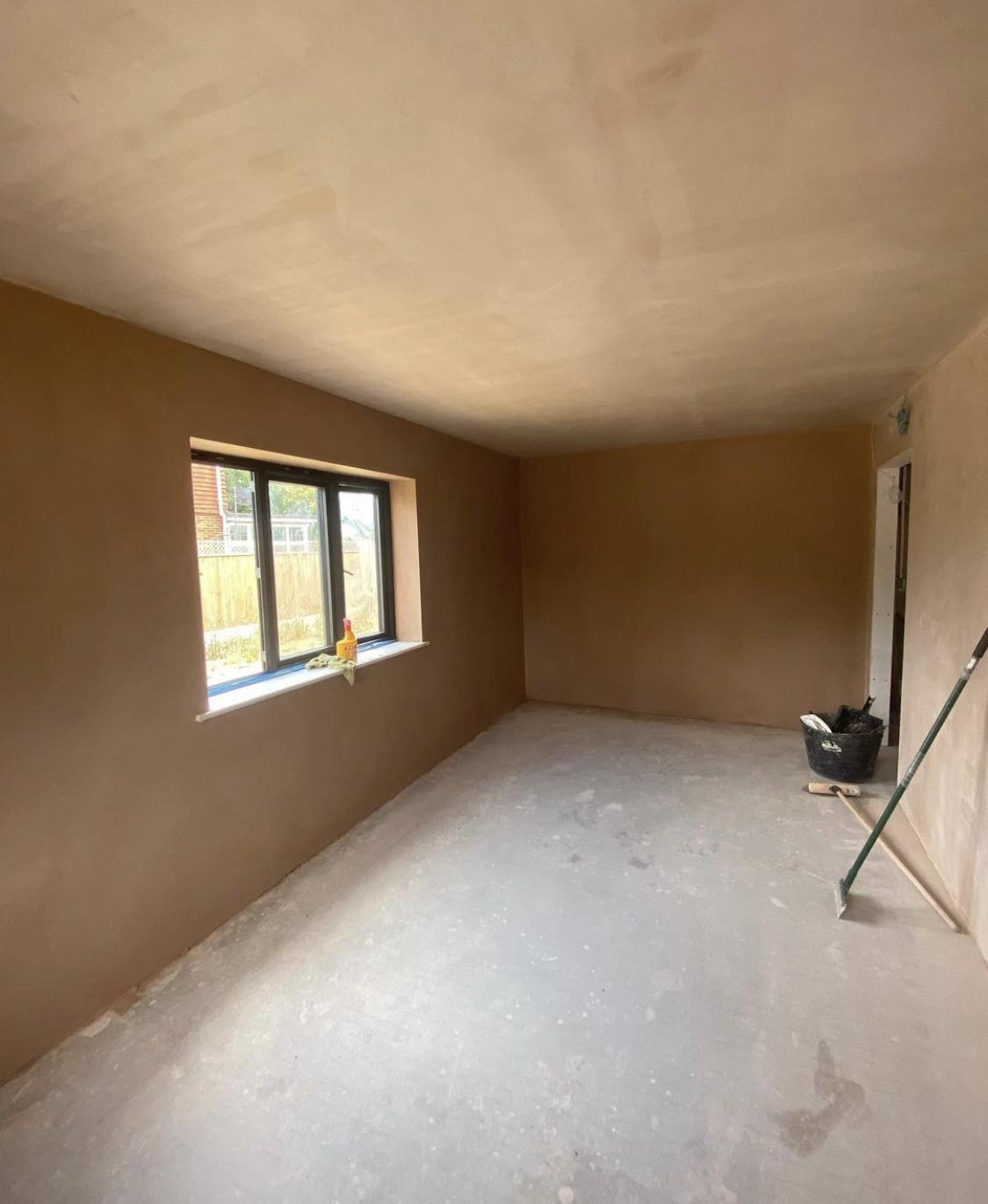
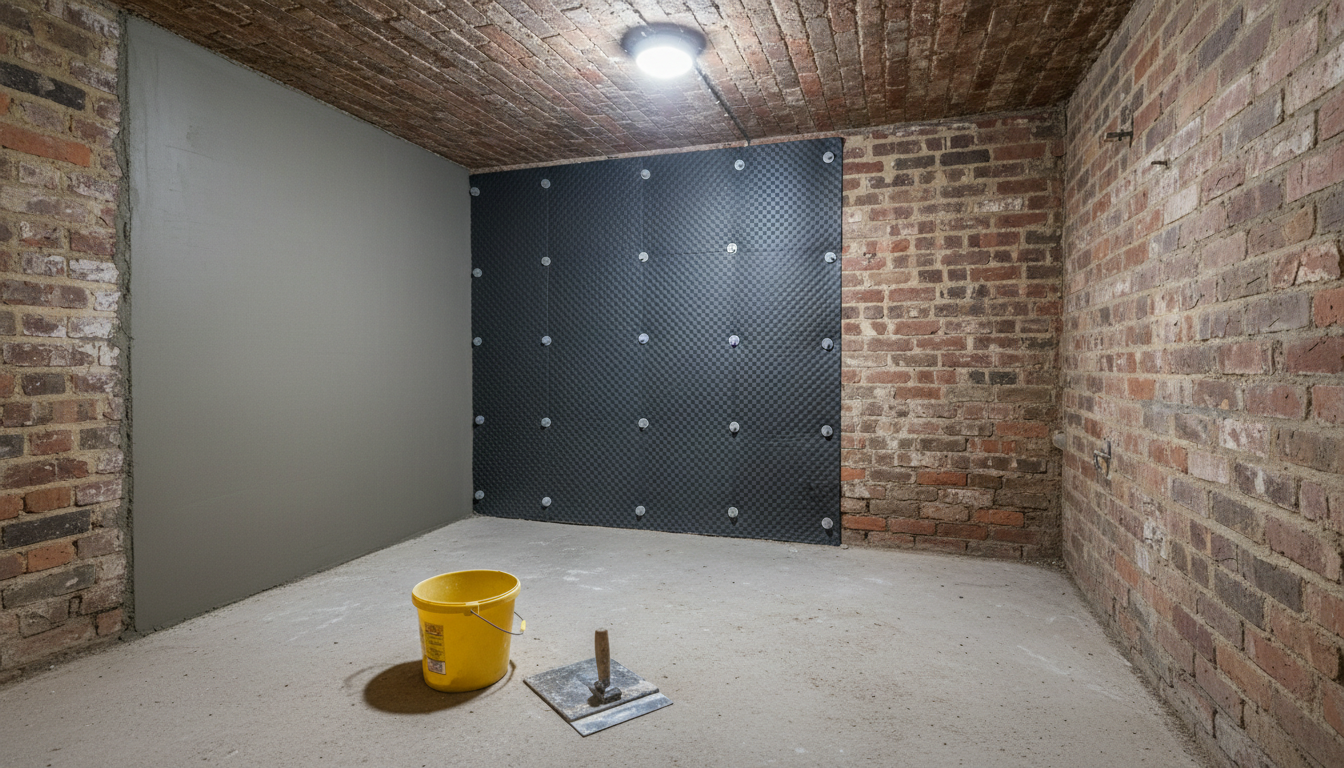
On solid masonry, dot and dab gets a room finished quickly and leaves a small gap behind the board, while a floated wall is harder and copes better with heavy fixings. For an older Littlehampton terrace with a history of damp, boards stuck to the wall on adhesive dabs are not always the right answer, and we will say so when we see it. Insulated plasterboard is worth considering on a cold outside wall, particularly on a solid-walled house in one of the town's conservation areas, where the outside cannot easily change. It takes a little depth from the room but leaves the wall surface warmer, which also helps keep condensation and mould away from corners and window reveals.
Compare the two approaches with float and set in Littlehampton, and see plastering and skimming in Littlehampton for the finish. Our main plasterboarding and dry lining page covers the full range, and the Littlehampton area page lists everything else we do in town. Call 07824 165672 for free, no-obligation advice.