Is your house a good candidate
External wall insulation suits walls that lose heat badly and have no cavity to fill. In East Preston that most clearly means the old village buildings: sixteenth-century houses later encased in flint or brick, eighteenth-century flint cottages on The Street and Sea Road, and nineteenth-century houses such as Preston Hall, built in 1838 with stuccoed walls. Twentieth-century houses on the estates and in the bungalow closes are more likely to have cavity walls, though older pre-war houses can vary, so the construction of each wall needs checking before anything else is decided.
The village's rules shape the answer
Several layers of local guidance apply here. The neighbourhood plan asks that materials in new and altered buildings harmonise in colour and texture with neighbouring buildings, and that changes in the old village centre sustain its historic character. The village design statement says flint walls of buildings and gardens should not be painted. Part of the village lies in the East Preston/Rustington (Station Road) conservation area, along Station Road and the western end of Vicarage Lane, and there are two areas of special character: one taking in Elm Avenue and parts of Golden Avenue, Kingston Lane and North Lane, and one around Seafield Road, Palm Court Cottages and South Strand. There are also a Grade I parish church and eleven Grade II listed buildings and structures.
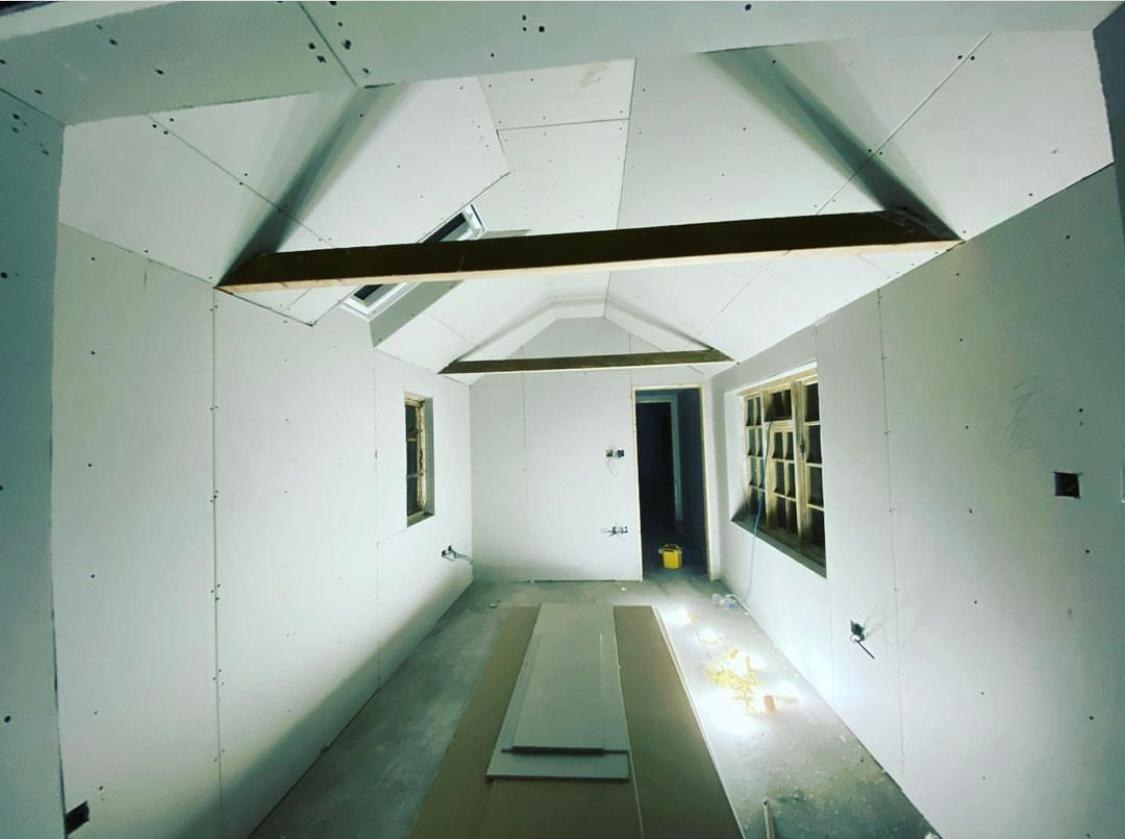
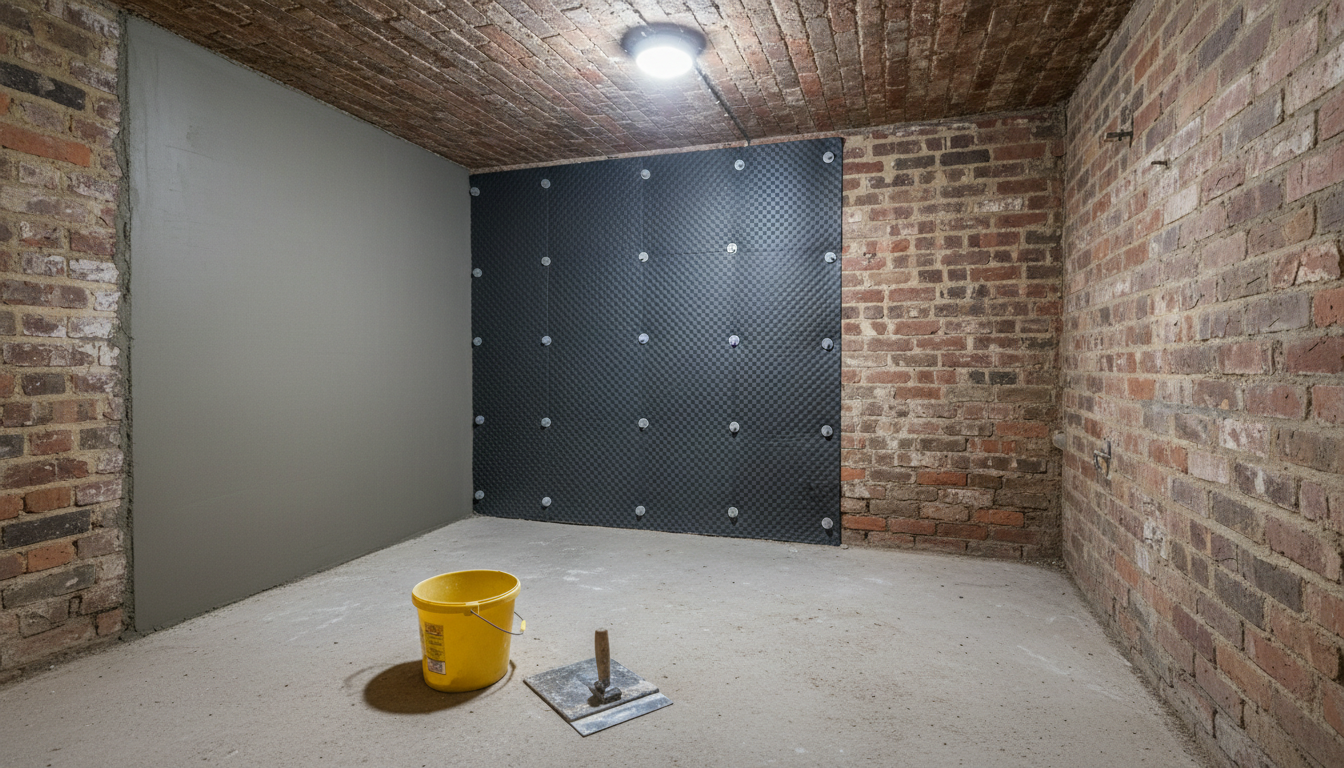
Insulating and re-rendering outside walls can need Building Regulations approval, and in a conservation area or on a listed building it can need planning consent too. Covering a flint cottage in boards and render is very unlikely to be acceptable, and in our view it would spoil the building. For those, insulating inside with insulated plasterboard, alongside careful repairs to the outside in breathable lime mortar, is the better route; see rendering in East Preston.
Where boards and render work well
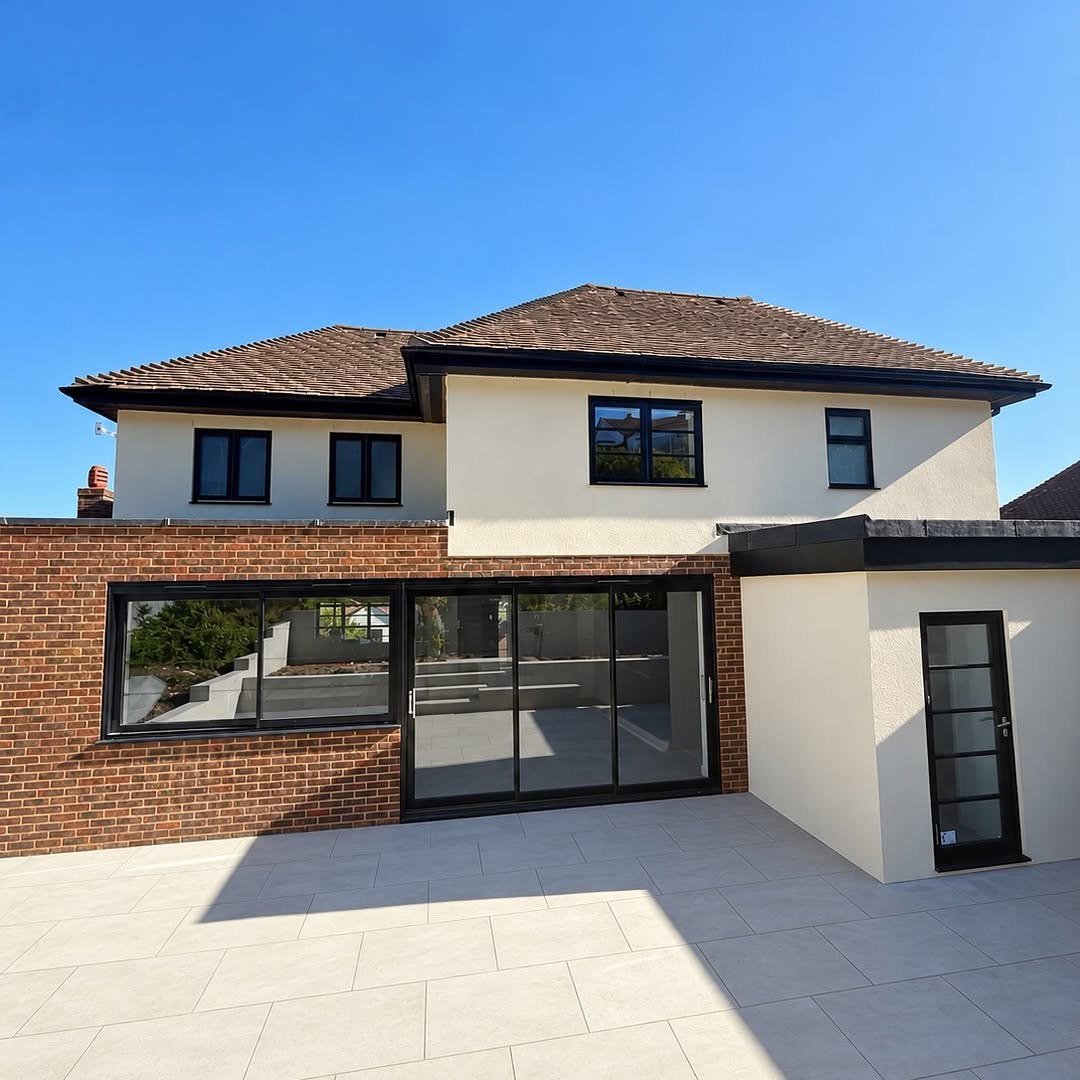
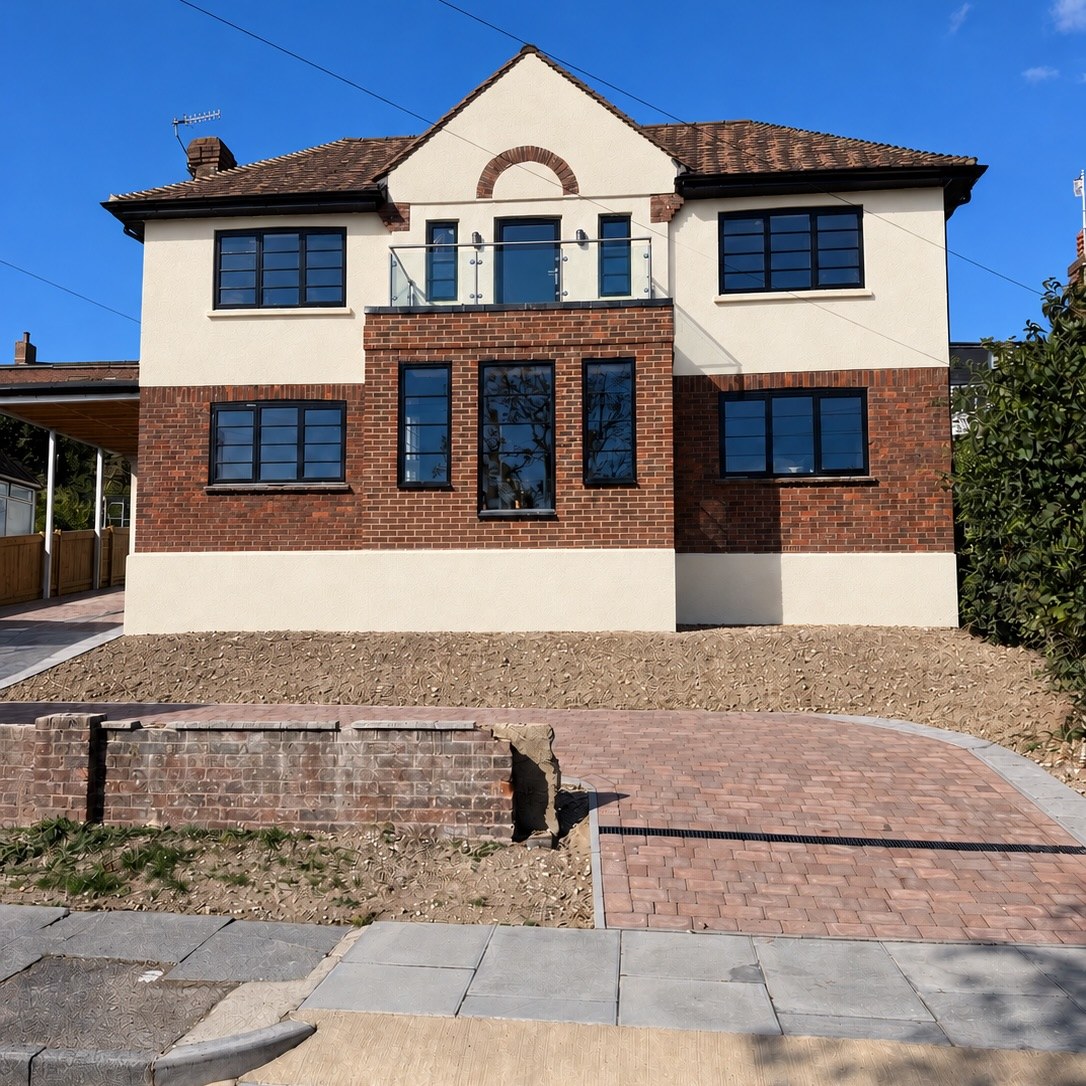
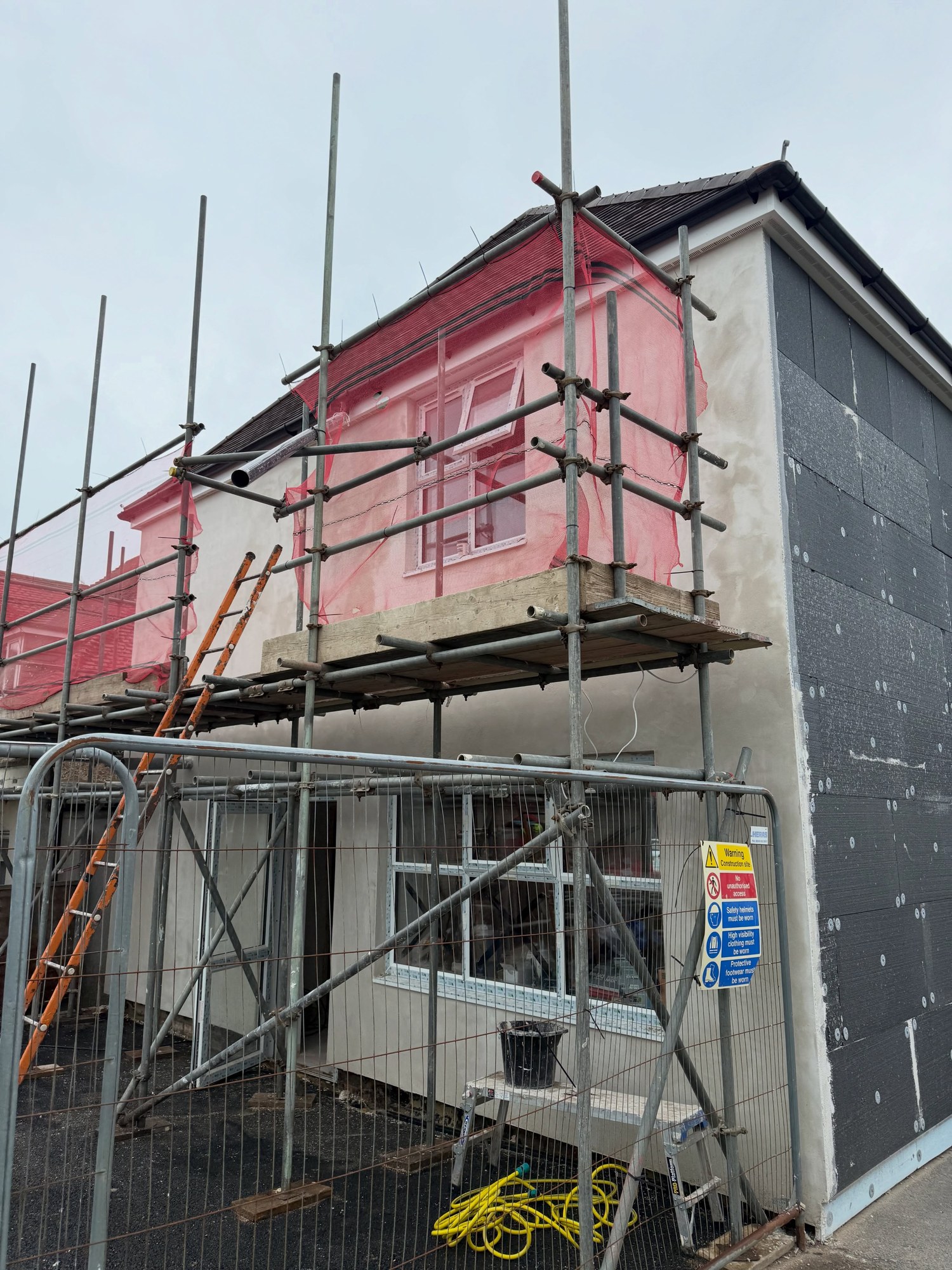
On a rendered twentieth-century house or bungalow outside the protected areas, an external system can be a practical upgrade. A starter track is fixed level at the base of the wall, insulation boards, EPS among other types, are bonded and mechanically fixed with tight, staggered joints, and a basecoat with reinforcing mesh goes over them. A render finish completes the system, often a through-coloured silicone that keeps the rendered look the estates are known for; see silicone rendering in East Preston. Bungalows bring their own detail: on hipped roofs the eaves sit close to the top of the wall, so there has to be room for the extra thickness, and sills, meter boxes and pipes all need extending.
Cork render as a lighter option
Cork render, a thicker coat containing cork granules, adds some insulation and lets moisture move out of the wall. It is a gentler choice for an older wall that has to stay breathable, and for houses where a full board system would crowd the eaves. It still changes the face of the wall, so the same planning checks apply.
Next steps
Send photos of each elevation and tell us if the house is listed or in the conservation area. Read the full external wall insulation and cork render page, or see everything on our East Preston page. Call 07824 165672 for free, no-obligation advice.