Which Rustington homes it suits
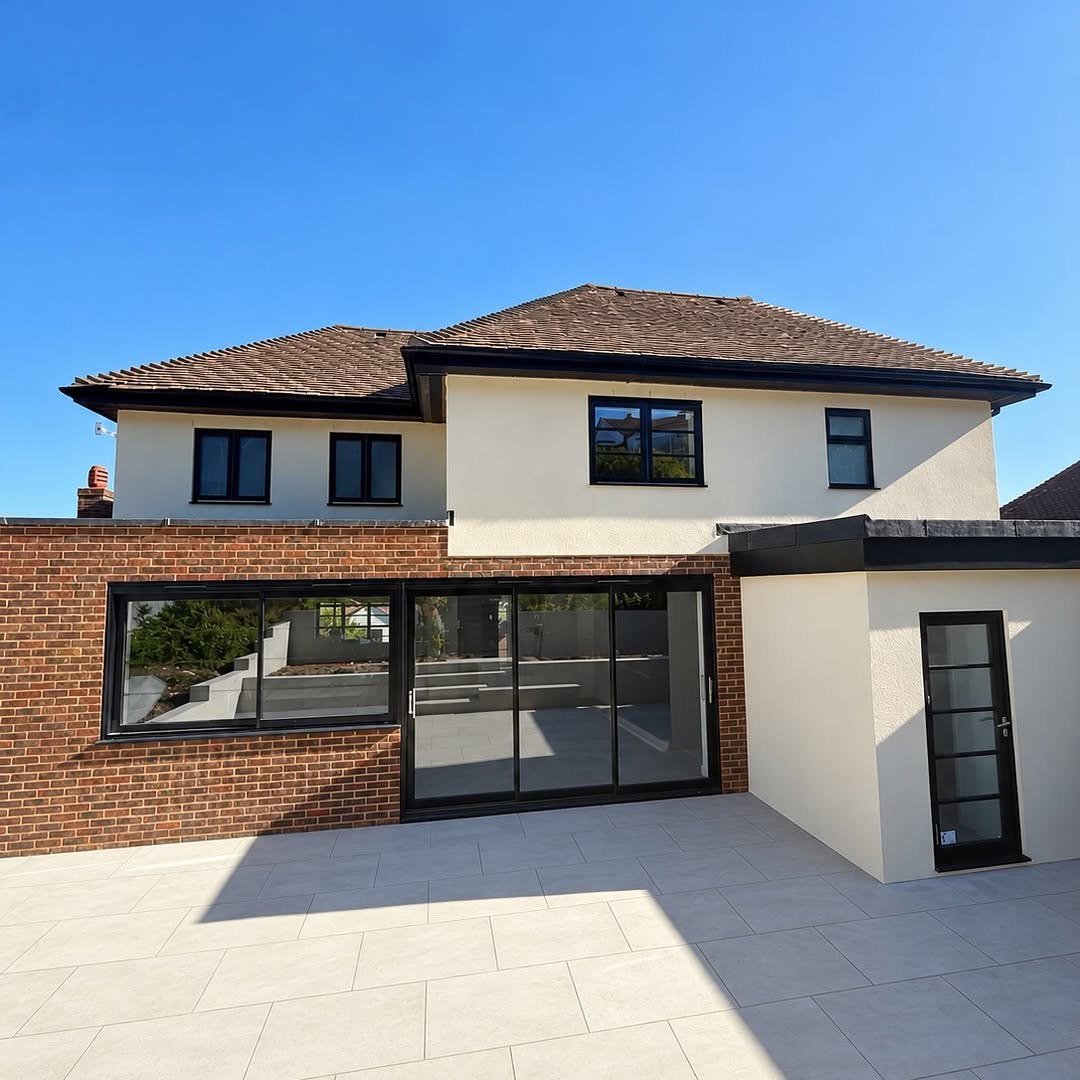
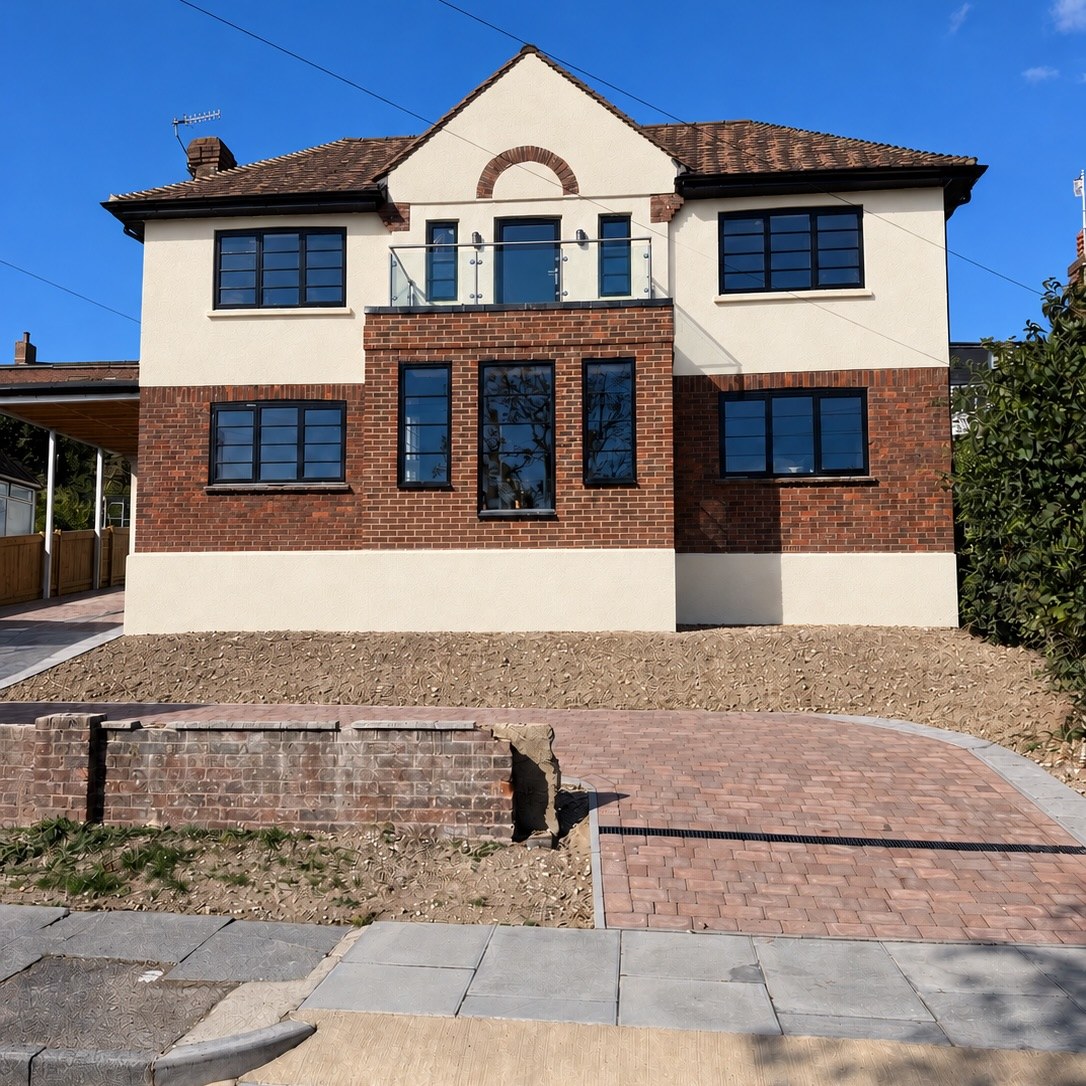
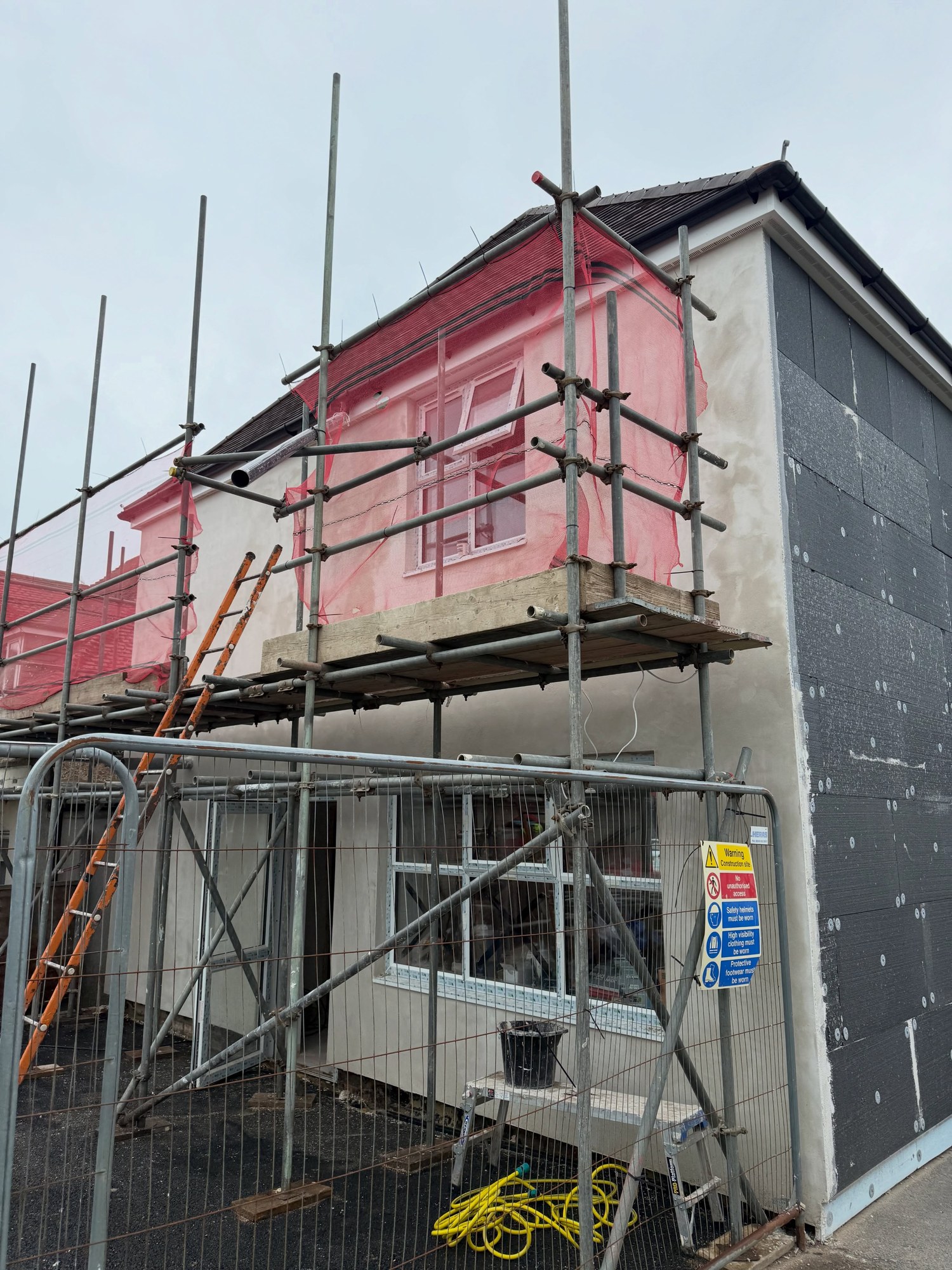
External wall insulation wraps the outside of a house in insulation boards and finishes them with render. It makes most sense on walls that lose heat quickly and cannot simply have a cavity filled, and on homes where losing a few centimetres from every room to internal insulation would hurt. Rustington's housing, which the 2013 State of the Parish report describes as a mix of detached houses, semis, terraces and flats, with building gathering pace after the Second World War, has plenty of candidates. A bungalow or a semi with tired render is often the easiest case, because the walls need re-facing anyway and the insulation goes on underneath the new finish.
Close to the sea there is a second benefit. The render top coat is the weatherproof skin of the system, so an exposed house facing the Channel gets a new protective coat at the same time as it gets warmer.
Old flint, cobble and thatch: go carefully
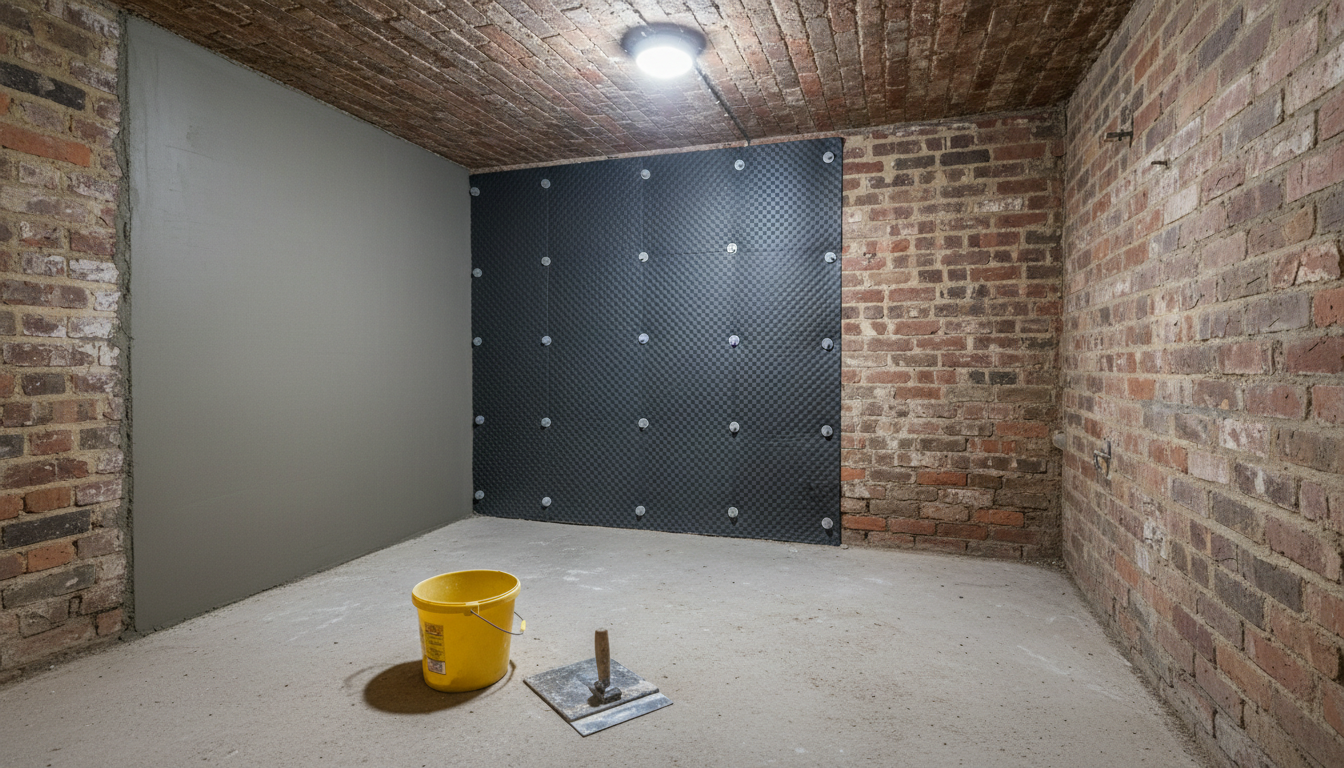
The old village is a different matter. The conservation area that runs from the south end of North Lane to The Lamb in The Street is full of listed cottages whose walls are the point. Manor Cottage on Station Road, of the 17th century or earlier, is faced with knapped flints under a hipped thatched roof, and No. 76 The Street is faced with flints, red brick and grey headers. Covering faces like those in boards and render would change their character, and on a listed building it would need consent that is unlikely to be given. Where an older, less sensitive solid wall needs help, cork render is gentler: a thicker, breathable coat that adds some insulation and lets moisture out. For rooms where the outside must stay as it is, insulated linings fitted inside are covered on our dry lining and insulation page for Rustington.
How a system goes on
Gutters, downpipes, lights and satellite dishes are taken off, and the walls are checked for loose render and damp. A starter track is fixed level at the base, and the insulation boards, EPS among other types, are bonded to the wall and secured with mechanical fixings, joints staggered. A basecoat with reinforcing mesh follows, beads go on at corners and openings, and the system is finished in render, often a through-coloured silicone top coat, which is explained on our silicone rendering page for Rustington. Window and door reveals are lined with a thinner board so they do not become cold spots, mesh angles keep the corners straight, and sills, eaves and meter boxes are adapted to the thicker wall.
Permissions and practical checks
Insulating and re-rendering external walls can need Building Regulations approval, and in a conservation area or on a listed building it can also need planning consent, so check with Arun District Council before booking. On a block of flats, the freeholder or management company decides on the outside of the building. Any damp in the walls has to be traced and fixed first, because insulation should never be fixed over a wet wall. Our main external wall insulation and cork render service has more detail, and the Rustington page lists everything else we do in the village. For free, no-obligation advice, call 07824 165672.