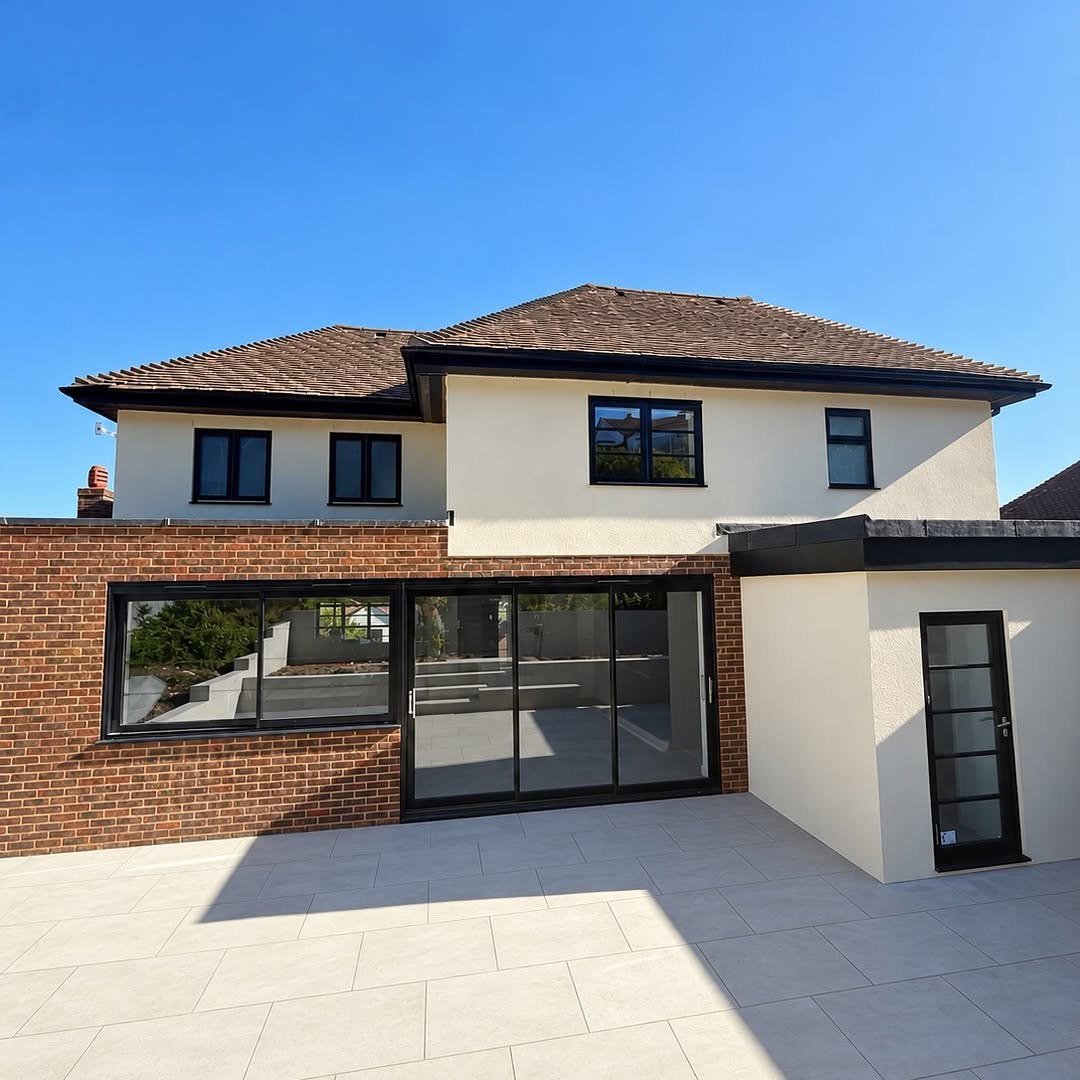
Weather straight off the Channel
Rustington adjoins the English Channel and rises no more than about 7 metres above Ordnance Datum, so there is little between the seafront and the open sea to soften the weather. Arun District Council's Strategic Flood Risk Assessment, quoted in the parish's 2013 State of the Parish report, describes this stretch of coast as a wide sandy lower beach and a narrower shingle upper beach, held by timber and rock groynes, with an earthen bund along much of it. The same report notes that lower density, often detached, homes sit nearer the sea. Those houses, and the blocks of flats facing it, take wind-driven rain and salt-laden air head on, and their render has to cope with both.
Matching the render to the wall
Rustington's walls vary more than its flat landscape suggests. In the old village, West Preston House on Station Road and Palm Cottage in Ash Lane are faced with cobbles and red brick dressings, and Cudlow House in Sea Lane is stuccoed. Solid walls like these need to breathe, so lime render, which is softer and lets moisture out, is the usual choice for repairs and new coats on them. A hard cement render on an old cobble wall can crack away and hold water behind it.
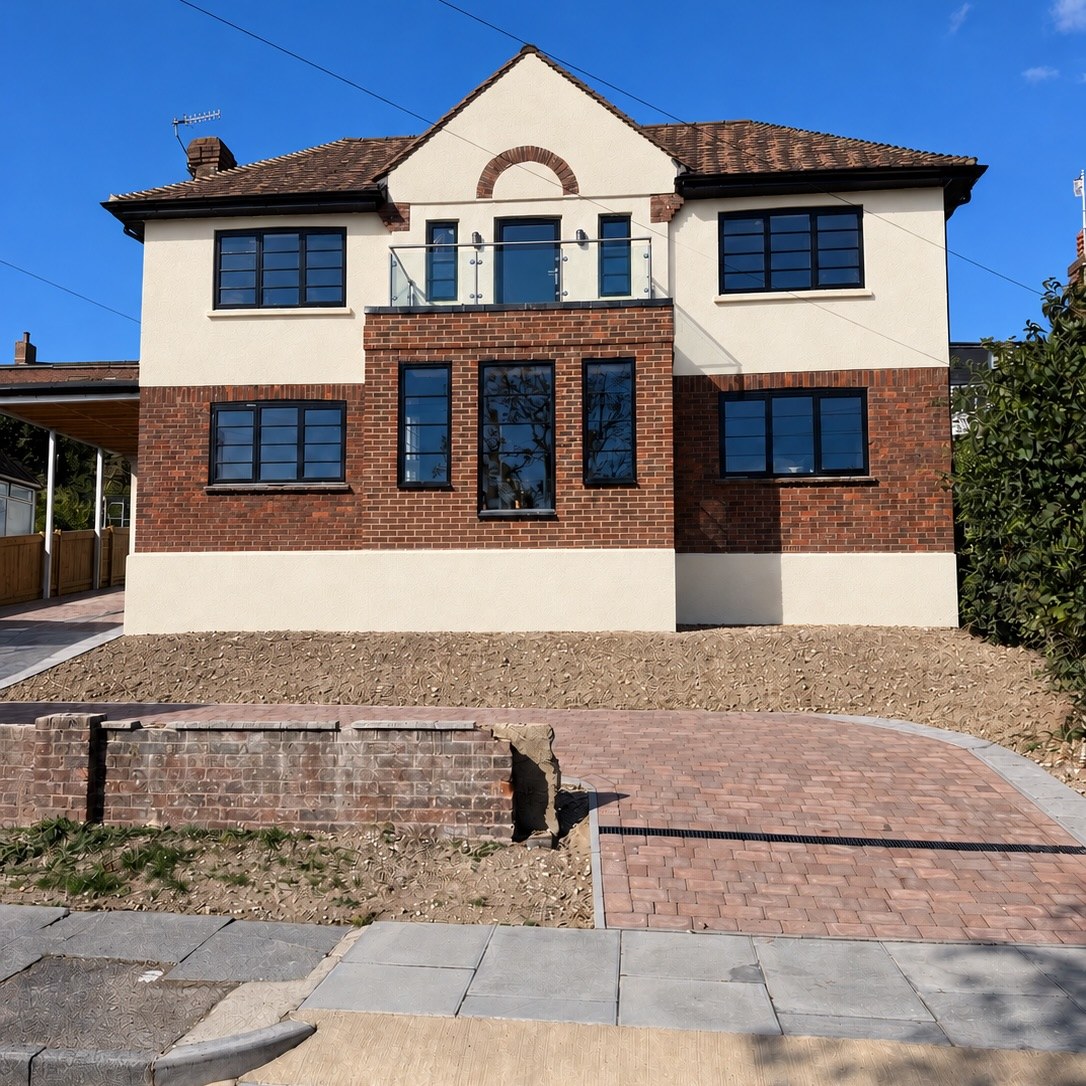
The Sea Estate was developed in the 1920s and 1930s, and building across the rest of the parish gathered pace after the Second World War. On brick and block walls from those periods, sand and cement render is the traditional painted finish, while K Rend and monocouche are coloured right through and do not need repainting. Many houses also still have pebble dash, which can be patched where a section has blown or recoated where the whole face is tired. For a thin, water-repellent coat that suits exposed elevations, see silicone rendering in Rustington.
Details that decide how long it lasts
On the coast, most render failures start at the edges. Corner and stop beads should be a type suited to a damp, salty atmosphere, a bell-cast bead should finish the render clear of the damp proof course rather than letting it run down to the ground, and window sills need drips so water is thrown off the wall. Cracks, hollow patches and loose areas are cut out before anything new goes on, and a crack that follows a lintel or the edge of a bay is investigated rather than simply filled. We also plan around the forecast: render should not go on in frost, heavy rain or drying wind, which on an open seafront elevation can be the deciding factor on any given day.
Before you book
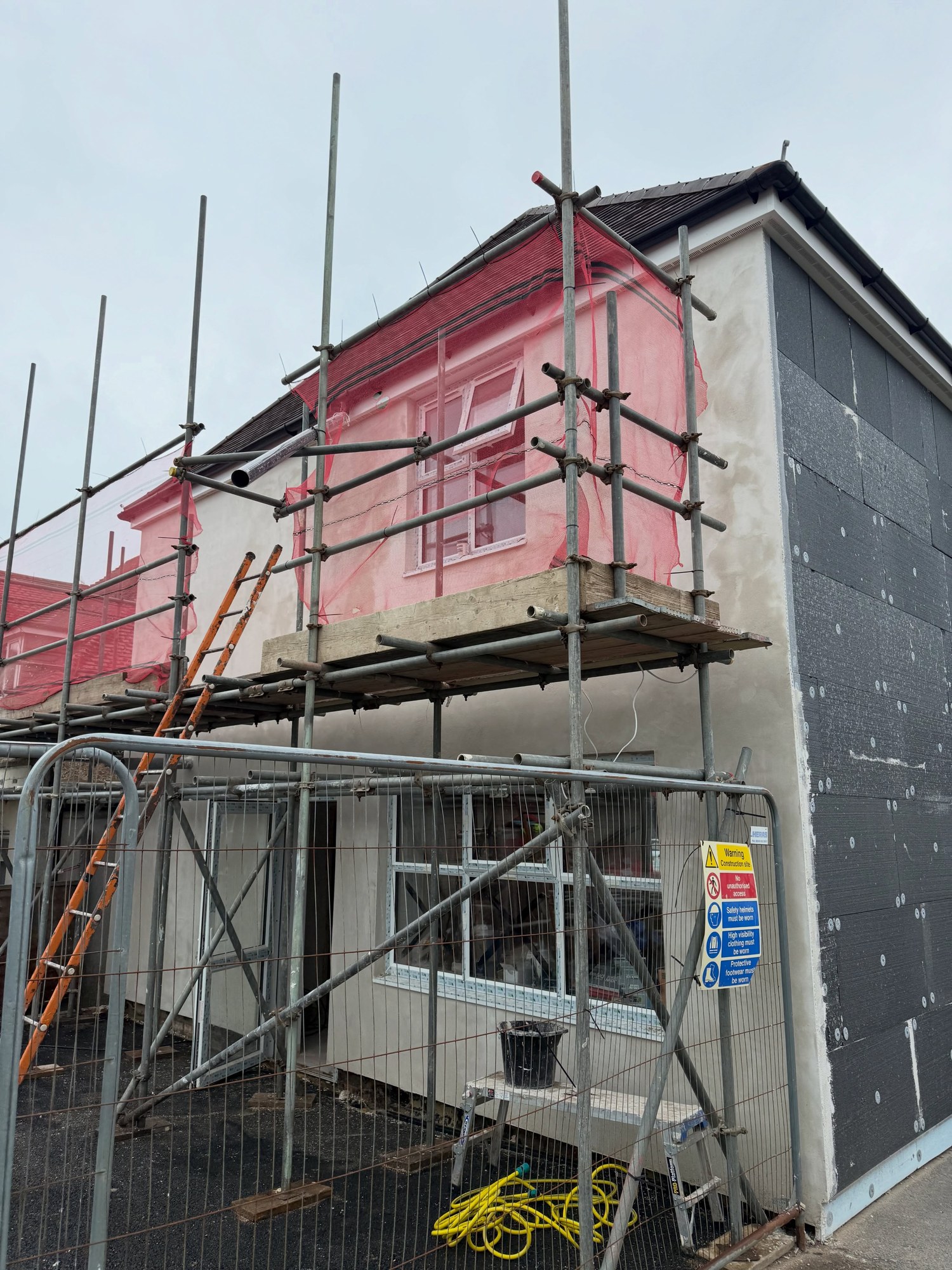
If your home is in the conservation area around The Street, or listed, talk to Arun District Council about changes to the outside before work is booked, including a change of finish or colour. Scaffolding on a semi or a terrace often needs a neighbour's agreement, so that conversation is worth having early. If you are thinking about warming the house at the same time, read about external wall insulation in Rustington, which is finished in render. Our main rendering service lists every system we apply, and the Rustington page shows what else we do in the village. For free advice and a quote with no obligation, call 07824 165672.