Boarding for the homes Rustington has
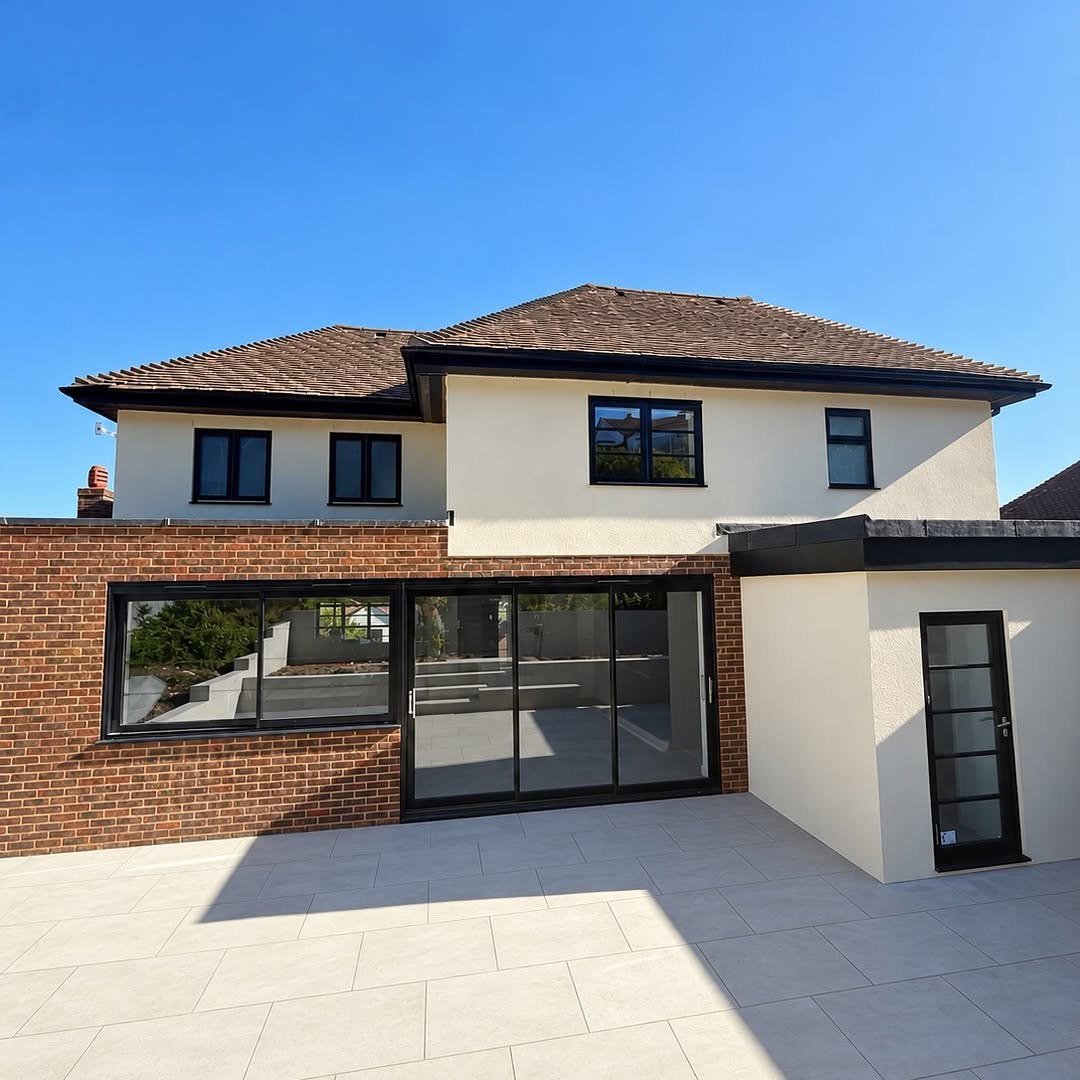
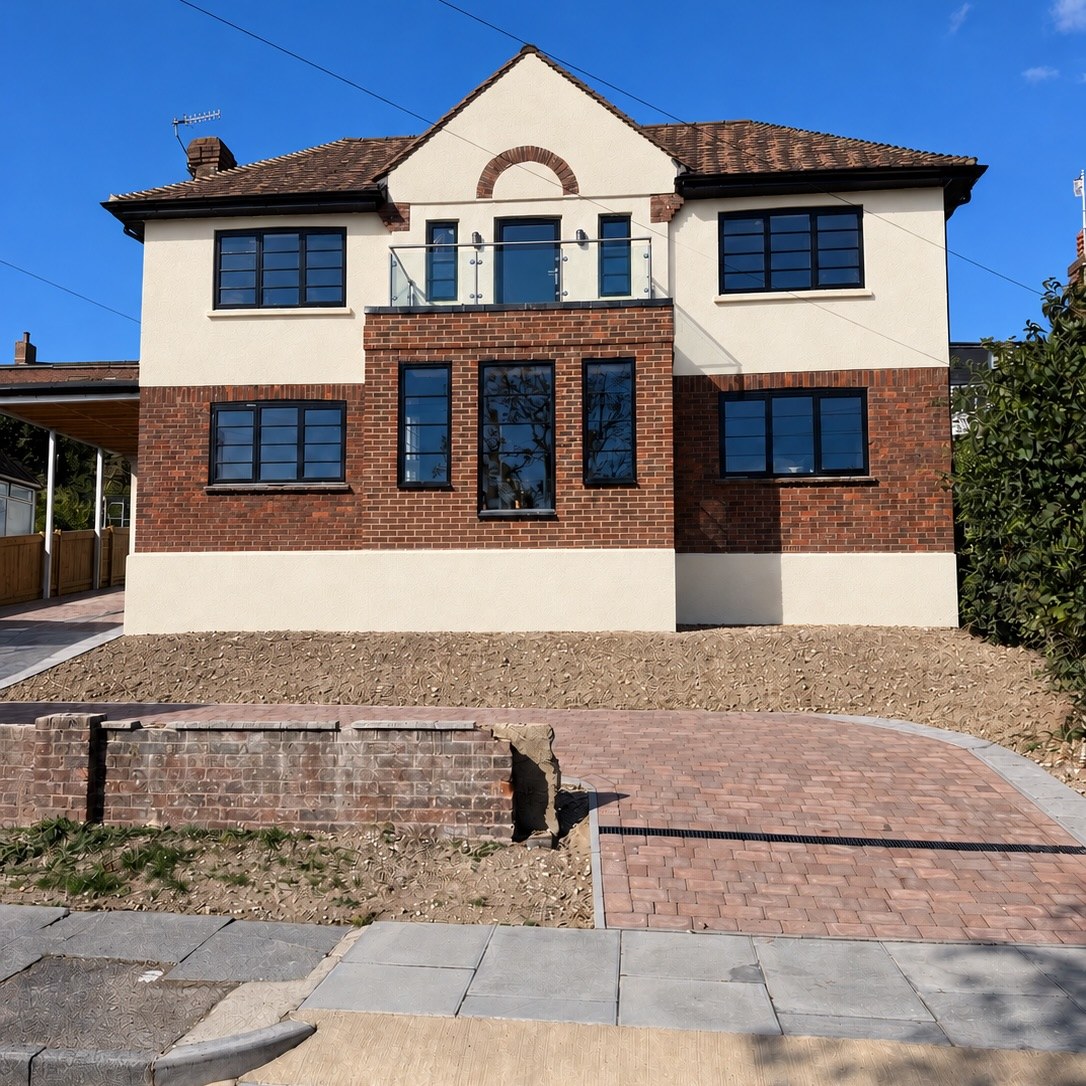
Plasterboard work in Rustington follows the shape of its housing. The 2013 State of the Parish report found that flats and apartments made up almost a quarter of the parish's 7,158 dwellings, and the village design work behind it describes large areas of detached and semi-detached bungalows from the 1950s and 1960s, pre-war streets of bungalows, semis and terraces, and newer houses from the late 1990s and 2000s. Each brings its own kind of dry lining job: rooms in the roof of a bungalow, quieter walls between flats, and reshaped layouts in family houses.
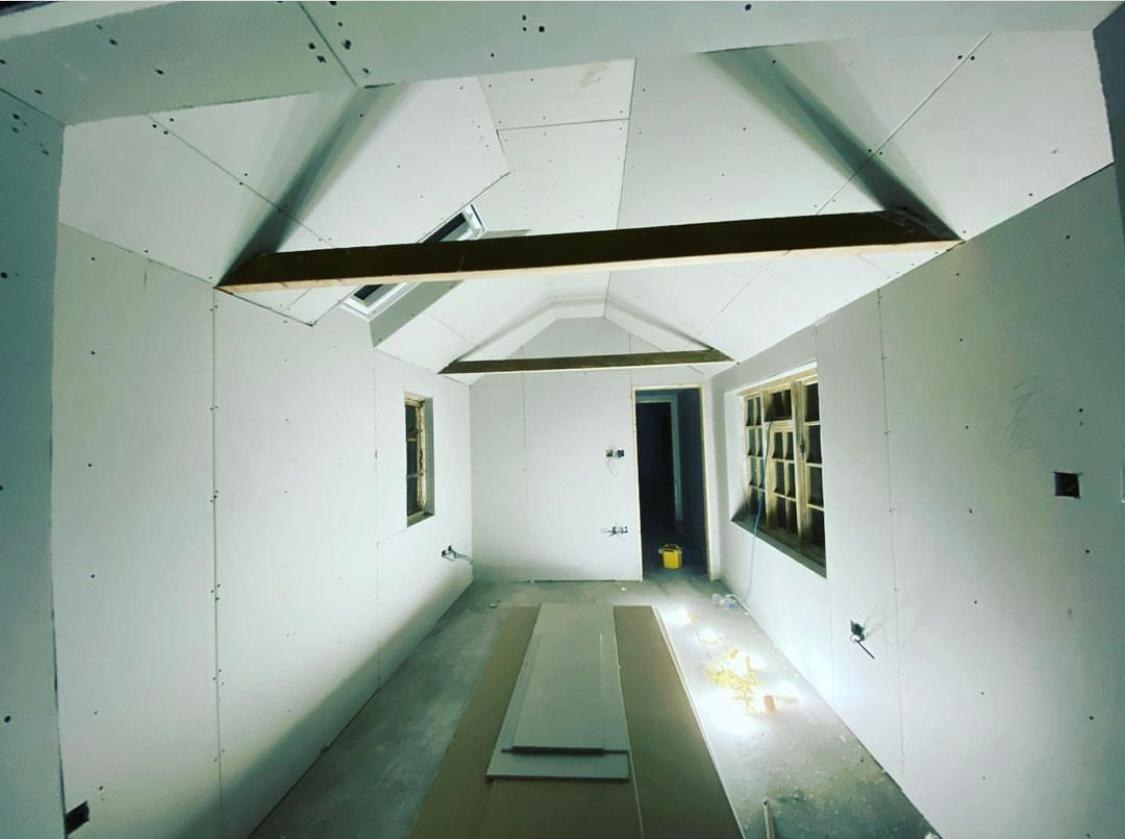
Rooms in the roof
A bungalow's roof space is often the easiest place to find another bedroom or a study. Once the structural work is done, the new room needs insulating and boarding: rigid Celotex boards between and below the rafters, rock wool in stud walls and floor voids, and plasterboard tacked to the timbers ready for a skim. Knee walls, dormer cheeks and the sloping ceilings where they meet are where poor boarding shows, so those junctions get the most care. Rooflight and dormer reveals are boarded and beaded so the plaster returns neatly to the frame. Loft conversions also need Building Regulations approval for things like fire escape, insulation and stairs, so make sure that is in hand before boarding starts.
In older houses, a metal frame (MF) ceiling is a neat way to bring a tired or uneven ceiling down to a new, level plane, with room above for cables, downlights and insulation.
Quieter flats and safer partitions
In a block, the noise that bothers people most usually comes through a shared wall or ceiling. Sound proofing combines a frame or resilient fixing, mineral wool in the void, denser boards and careful sealing around sockets and pipes, because sound travels through the smallest gap. Fire-rated boards matter in the same buildings, around stairs and service cupboards, and between a garage and the rest of a house. If you own a leasehold flat, check whether alterations to walls or ceilings need the freeholder's agreement.
Shops, offices and units
The parish is not all housing. The State of the Parish report notes industrial estates in the north of Rustington, and shopping parades such as Station Parade and Windmill Parade sit outside the main shopping area. For business premises we put up metal stud partitions, suspended MF ceilings and lined walls, ready for a fit-out and finished with a skim where a hard, paintable surface is wanted.
Finishing what has been boarded
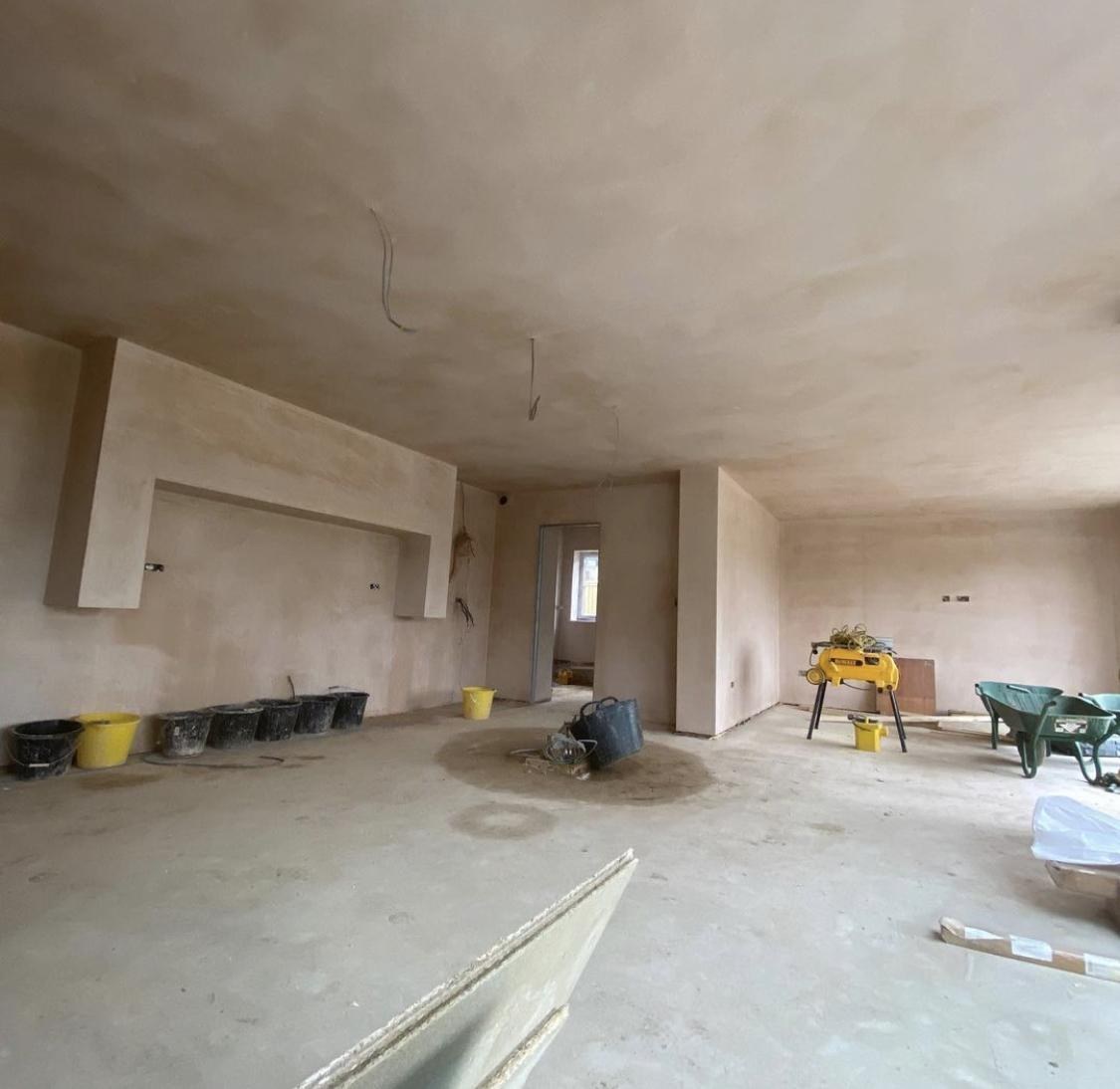
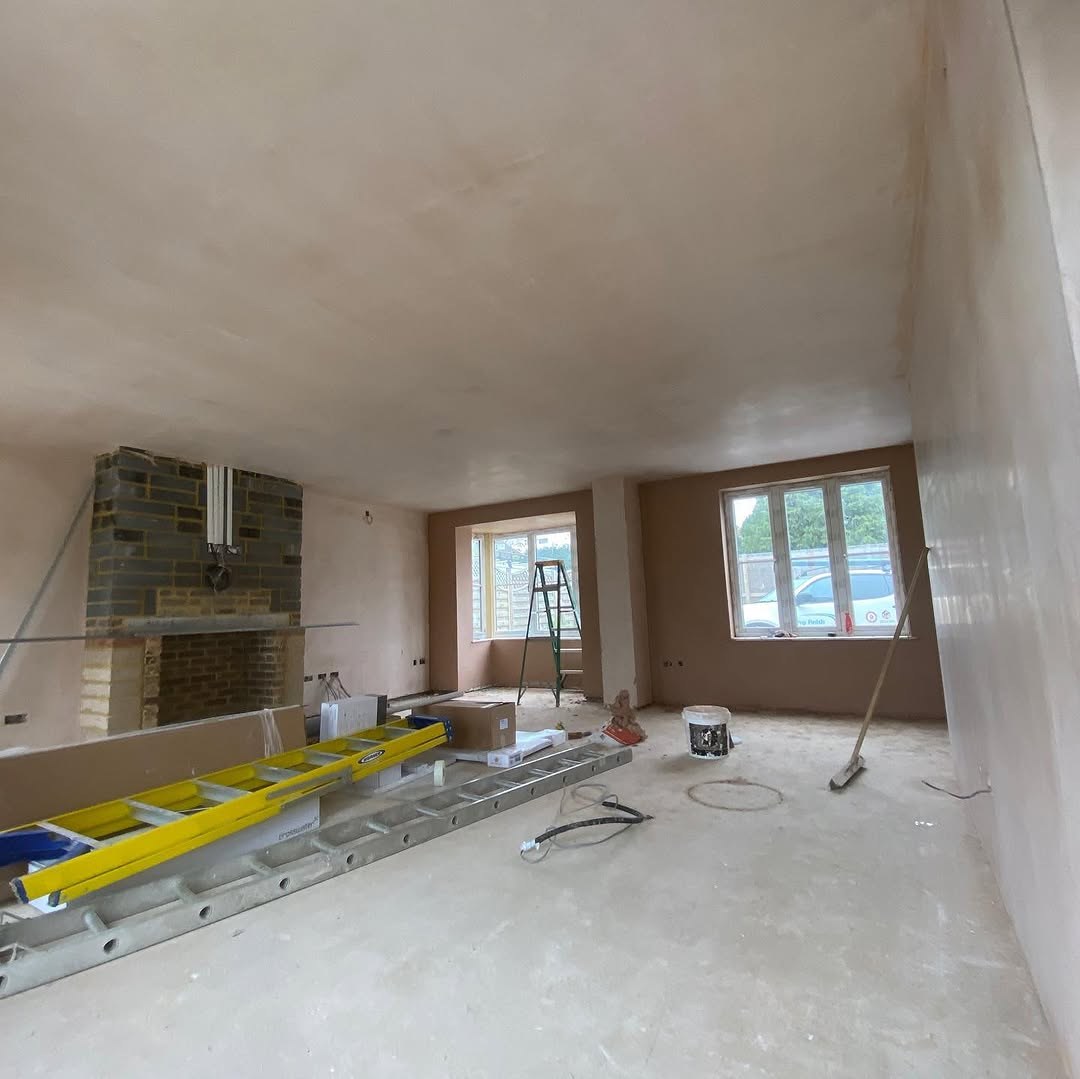
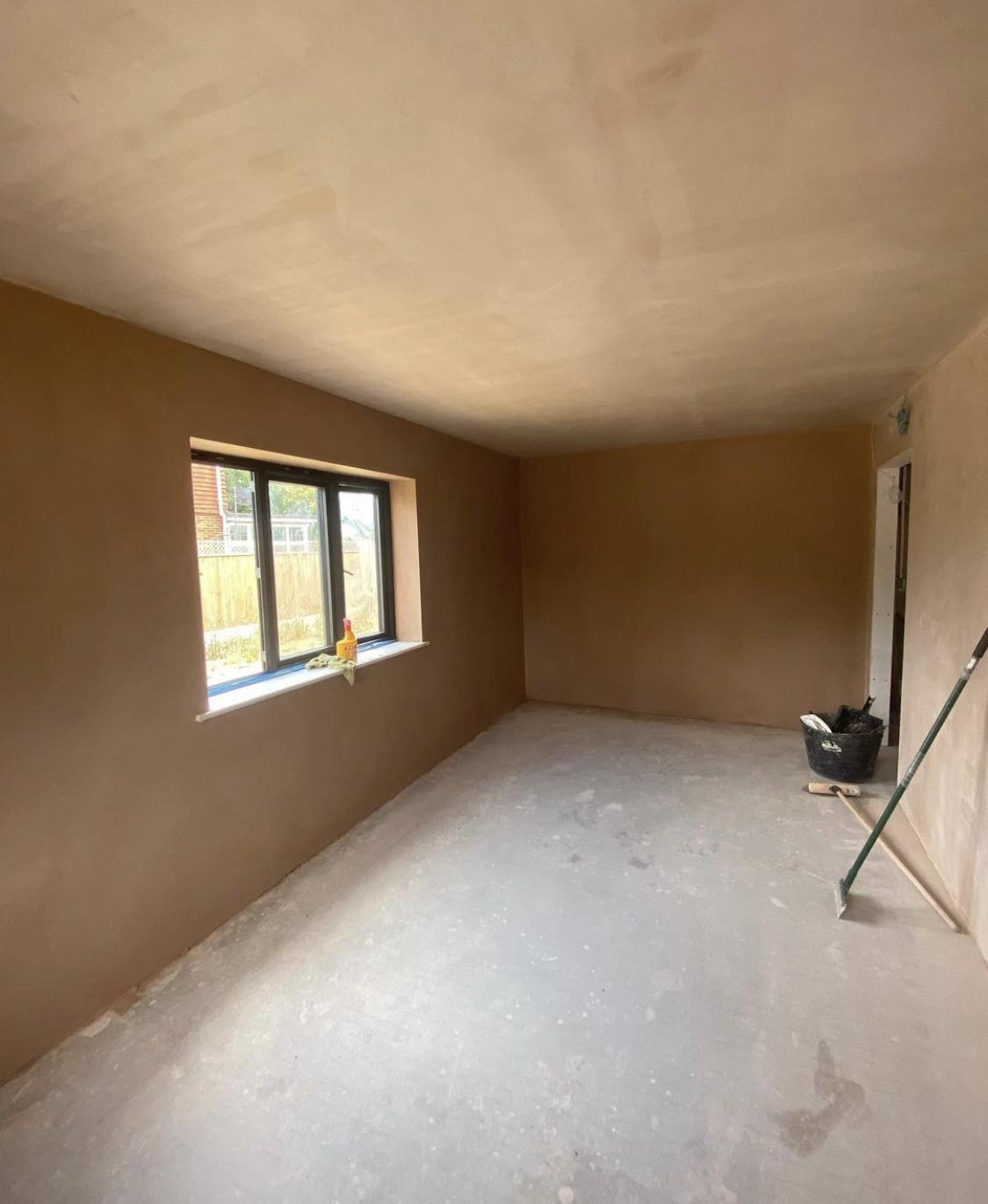
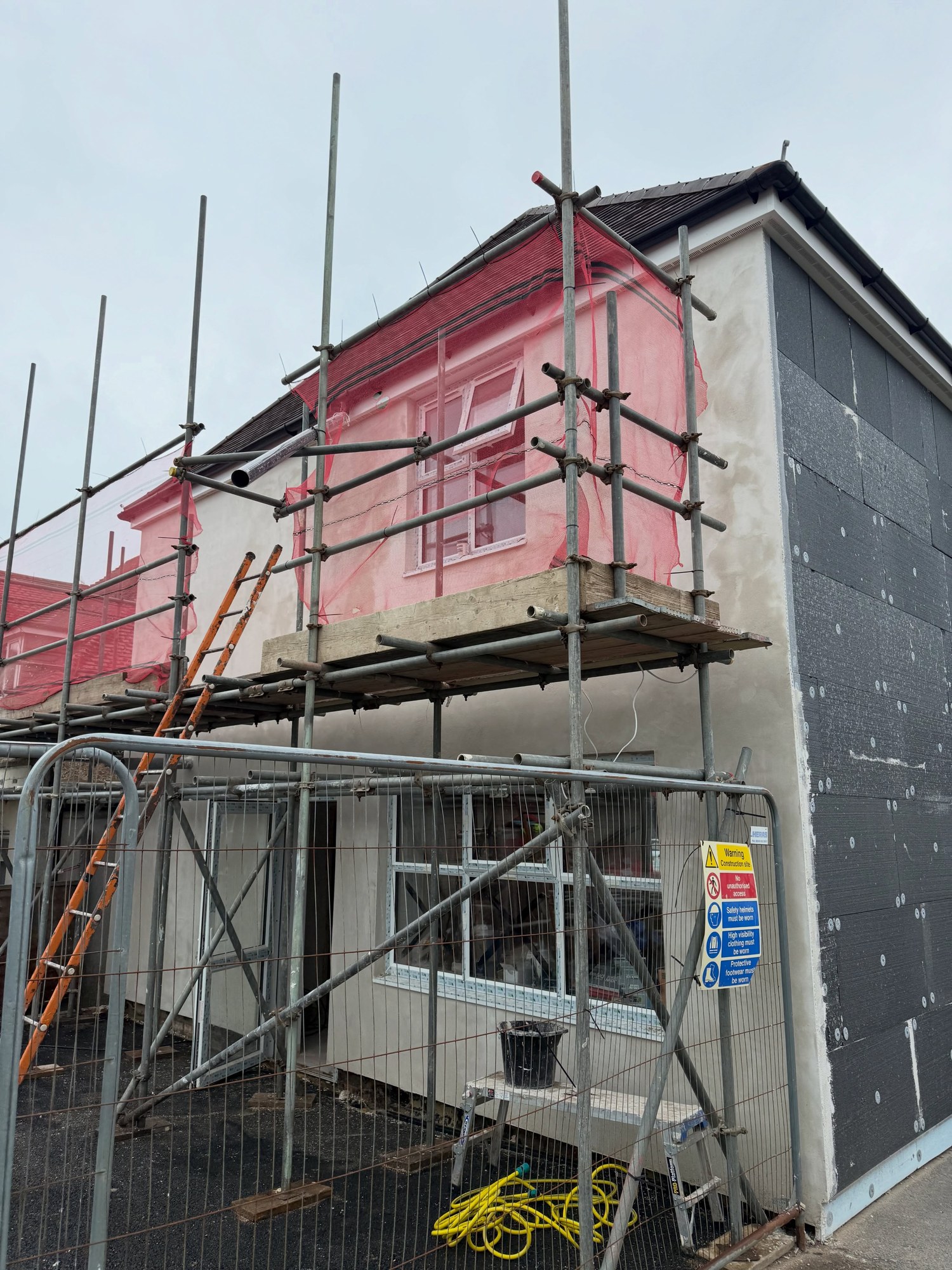
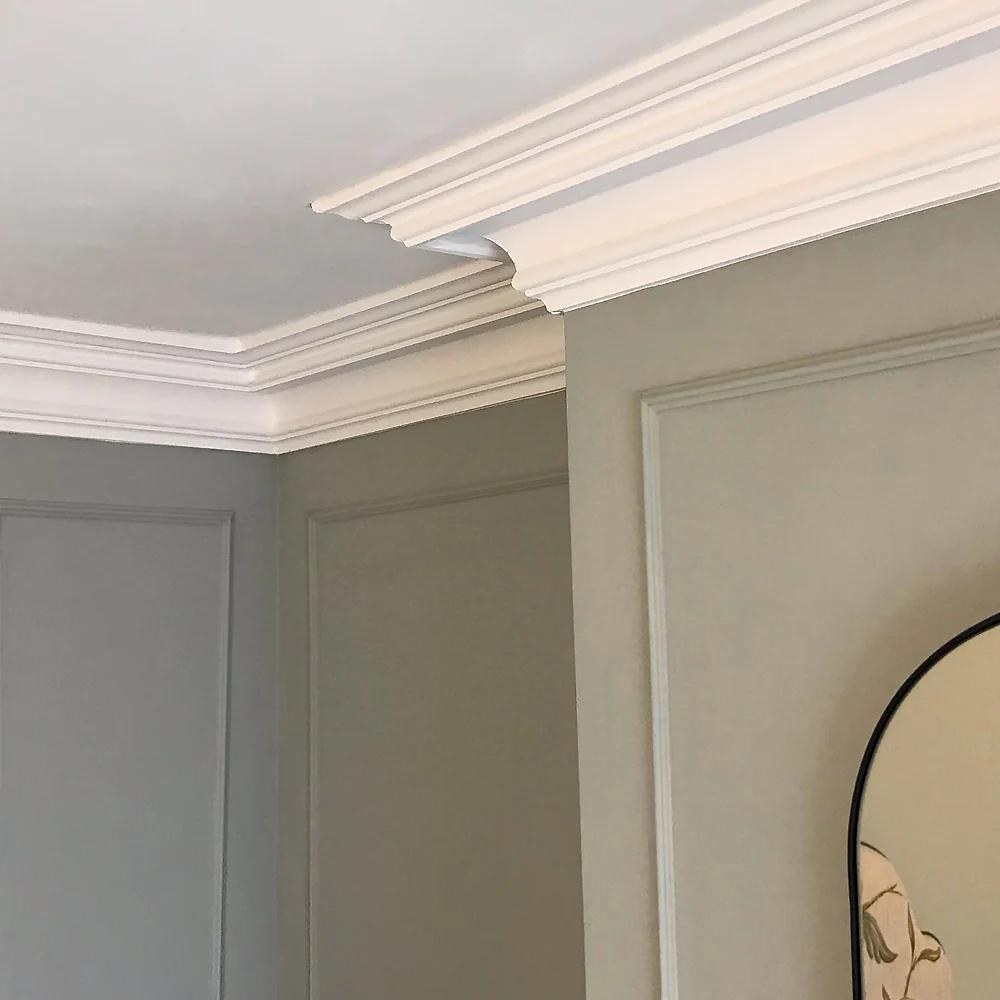
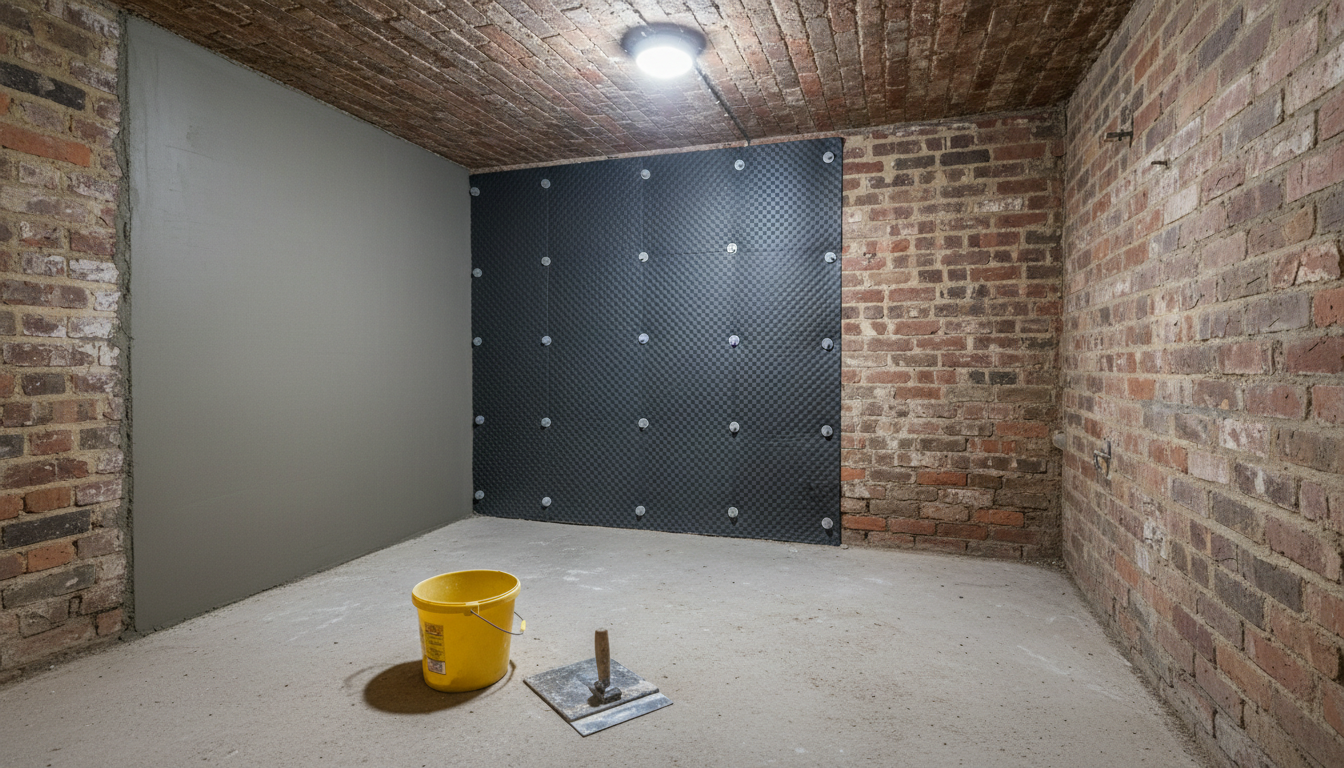
Every board we fix is meant to take a two-coat skim of British Gypsum plaster without cracking along the joints later, which is why joints are staggered and fixings spaced properly. Taped and jointed boards are possible where a skim is not wanted, but most homeowners prefer the harder, seamless surface that plaster gives. To see how the finish goes on, read our page on plastering and skimming in Rustington; if a solid masonry wall suits a room better than boarding, see float and set in Rustington. The full range is on our plasterboarding and dry lining service, and other work in the village is on the Rustington page. For free, no-obligation advice, call 07824 165672.