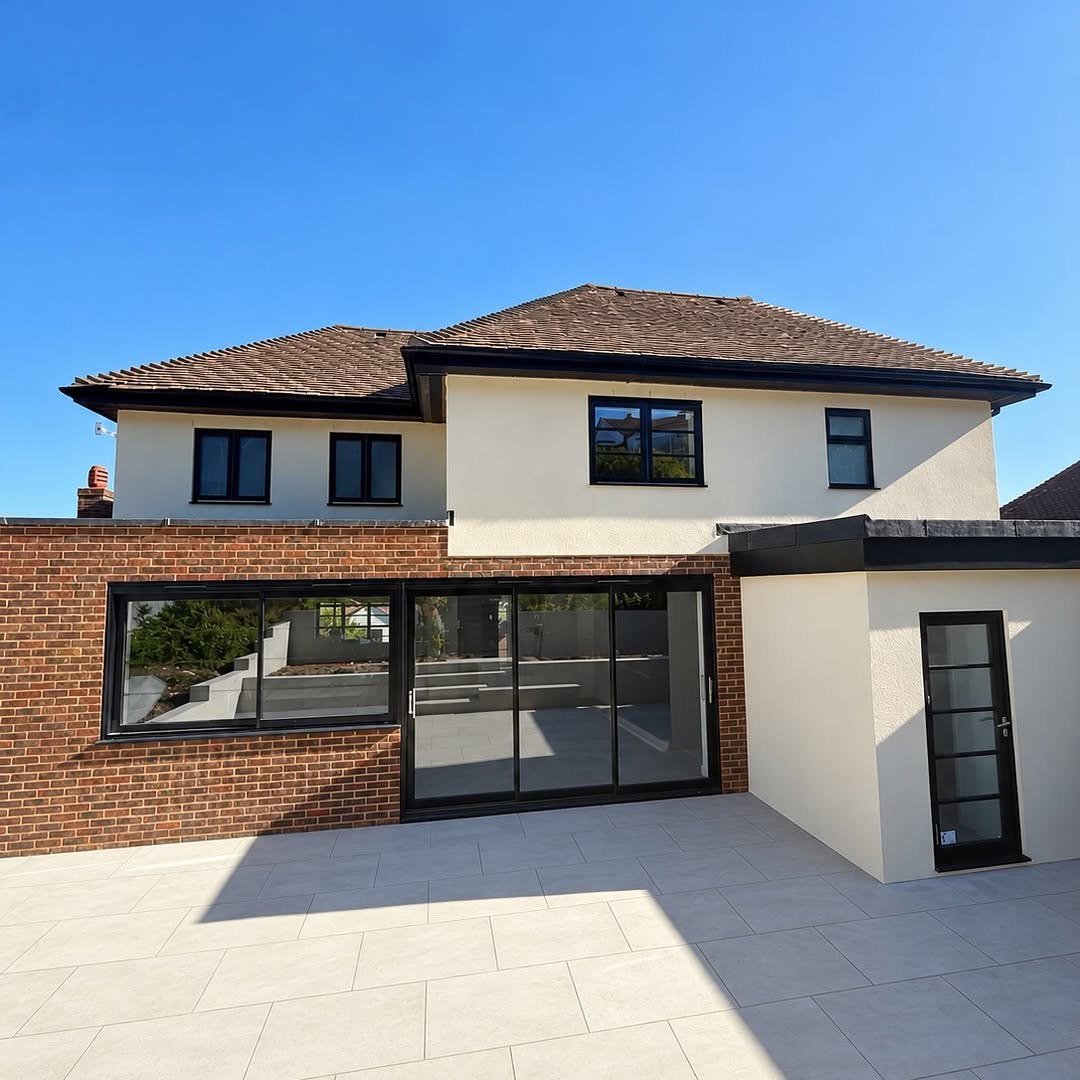
Render is part of the Hassocks look
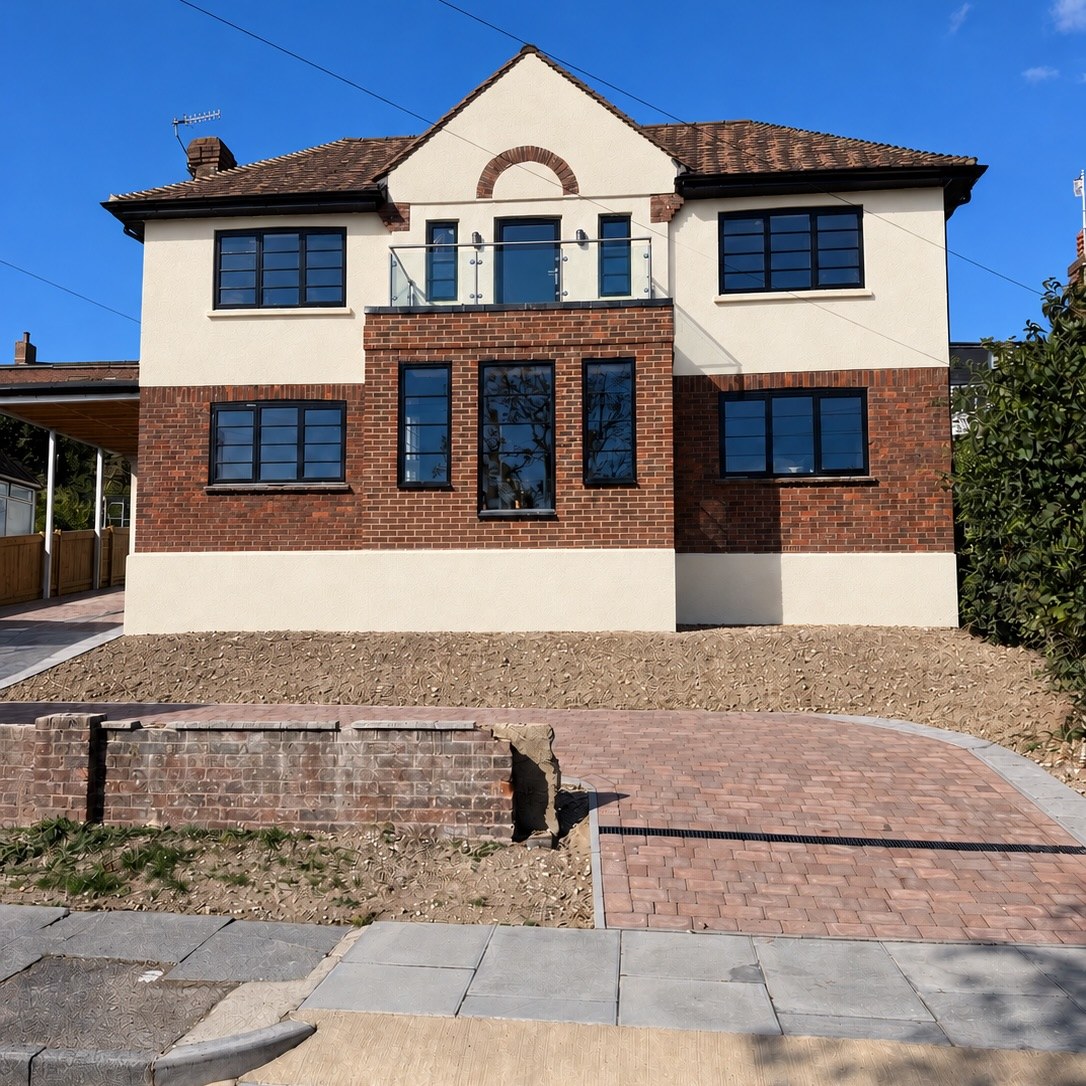
Render runs through the village's architecture. The parish townscape appraisal describes the council houses on London Road, built between 1922 and 1926 in an Arts and Crafts spirit, as having brick and render elevations under large hipped roofs. On the 1930s Home Estate many houses and bungalows have rendered upper floors above brick, and Church Mead's bungalows combine red brick with rendered walls. Around Adastra the appraisal finds a rich palette of flint, stucco and brick, and on the south side of Hurst Road some more recent houses have stuccoed fronts. Even Clayton Mills, finished in 2012, uses cream painted upper floors on some of its houses. Whenever any of these is repaired or redone, the new work has to sit happily beside the brick and tile next to it.
Matching the render to the wall
The right render depends on what is underneath. Modern brick and block can take sand and cement, a through-coloured render such as K Rend or monocouche, or a thin silicone system. Older solid walls, like those of the flint and brick buildings in the Keymer and Clayton conservation areas, generally suit lime, which is softer and lets moisture escape rather than holding it in. A hard cement patch on a soft, breathable wall can trap water and push the problem somewhere else. We look at what is already on the wall, how well it is bonded and what it is made of before suggesting a system. If your home is in a conservation area or listed, check with Mid Sussex District Council before changing an outside finish or colour.
Patching or re-rendering
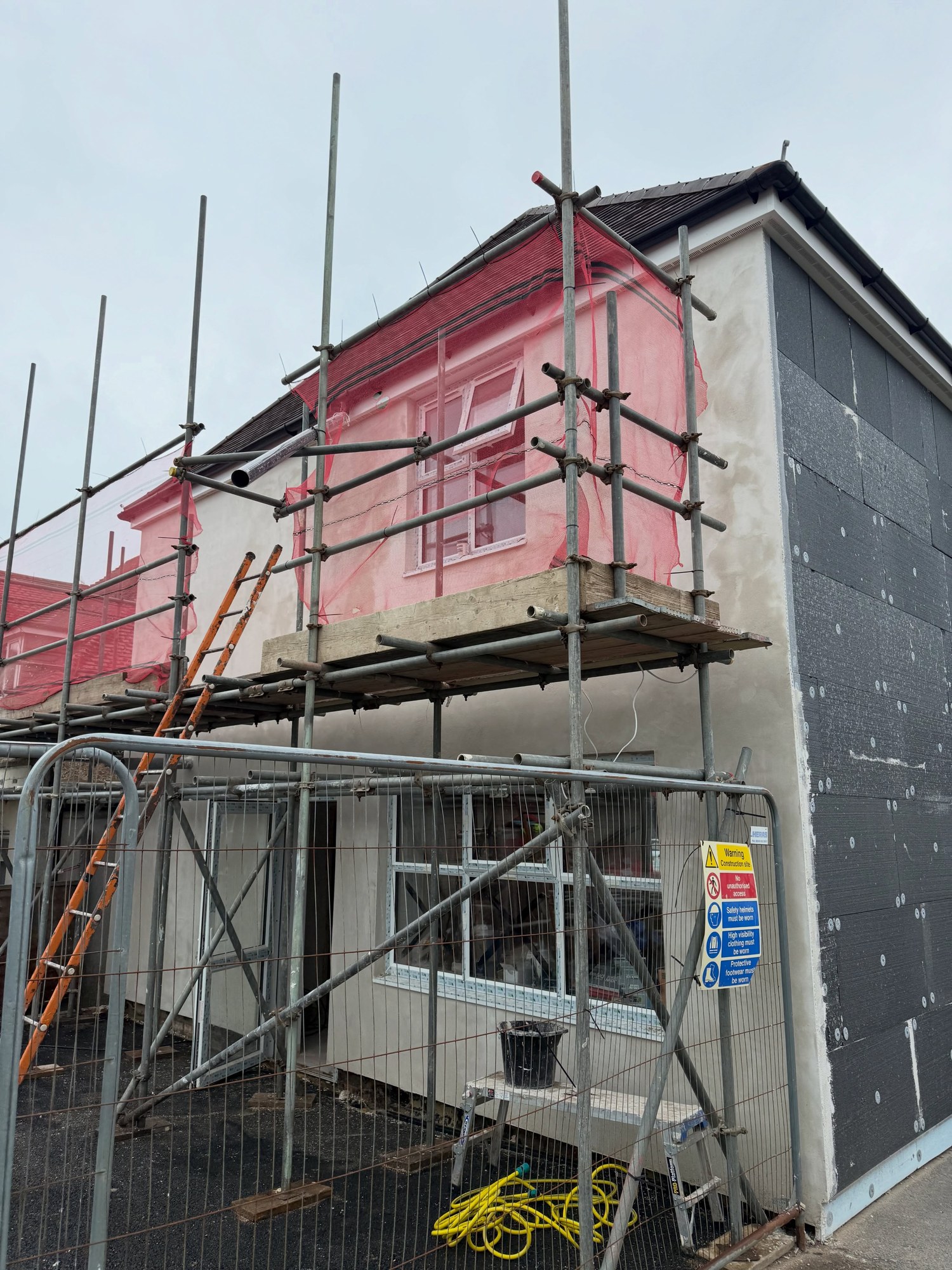
Rendered upper floors on interwar houses tend to show their age in familiar ways: hairline cracks, hollow patches that sound drummy when tapped, staining under sills and around gutters, and paint that no longer holds. A few small cracks can be cut out and repaired. Where large areas are hollow, or earlier repairs have left a patchwork, re-rendering the elevation gives a more even and longer-lasting result. Beads at corners and reveals, and a clean stop above the damp proof course so the render does not bridge it, make a big difference to how long the new coat lasts. If you would rather never paint again, our silicone rendering in Hassocks page explains through-coloured finishes, and external wall insulation in Hassocks covers adding insulation under a new render.
Trees, shade and timing
The appraisal makes much of Hassocks' mature trees, especially the old pines along the ridge and around Stonepound Crossroads. They are a big part of the village's character, but walls in deep shade dry slowly after rain, which affects both the life of a render and when it can safely be applied. Render has to cure at a steady pace, so it does not go on in frost, heavy rain or strong direct sun, and outside work is planned around the forecast, with scaffolding and protection up before the first coat. If part of your house stands in the shade of a big pine or a neighbour's oak, tell us, because it can change both the finish we suggest and when we book the work. The full range of systems we apply is on our main rendering page, and our Hassocks area page lists everything else we do in the village.