Stucco, flint and render on Arundel's streets
Render is part of Arundel's historic character rather than a modern addition. The Sussex Extensive Urban Survey picks out several examples: a three-storey terrace of flint rubble with a stuccoed front on Tarrant Street, a row of mid-19th-century flint cottages on Maltravers Street given a single stuccoed elevation with pilasters and stringcourses, and a rendered four-storey terrace further along the same street. Elsewhere, brick houses carry stuccoed fronts or cornices, while most of the small cottages show their flint and brick bare.
That mix shapes most rendering jobs in the town. Repairs to an old stucco front need a render that matches the original in hardness and texture, and any mouldings, stringcourses or quoins have to be run or patched to the same profile. Covering bare flint that was never meant to be rendered is a different question altogether, and in the conservation area it is unlikely to be the right one.
Why lime matters on older walls
Most of the historic walls here are solid flint or brick. They take on moisture in wet weather and give it up again as they dry, so the render on them needs to do the same. A hard sand and cement render on a wall like that can crack as the wall moves and trap water behind it, which then shows up as damp patches inside. For older stucco and render repairs we generally recommend lime, built up in coats and left to cure slowly. On 20th-century brick and blockwork houses west of the A27, sand and cement or a through-coloured system is usually fine.
Planning and the conservation area
Arun District Council restricts permitted development rights in its conservation areas, so changes as small as re-rendering a front or altering its finish can need planning permission. The council's interactive map shows whether a property falls inside the boundary. Arundel Town Council has also been looking at extending the conservation area, with the houses along The Causeway among the places discussed, so it is worth checking the current position if you live near its edge. Listed buildings need listed building consent for most external changes.
How a render job is approached here
- Survey the wall: what it is built of, whether the existing render is hollow, and what is causing any cracks or damp.
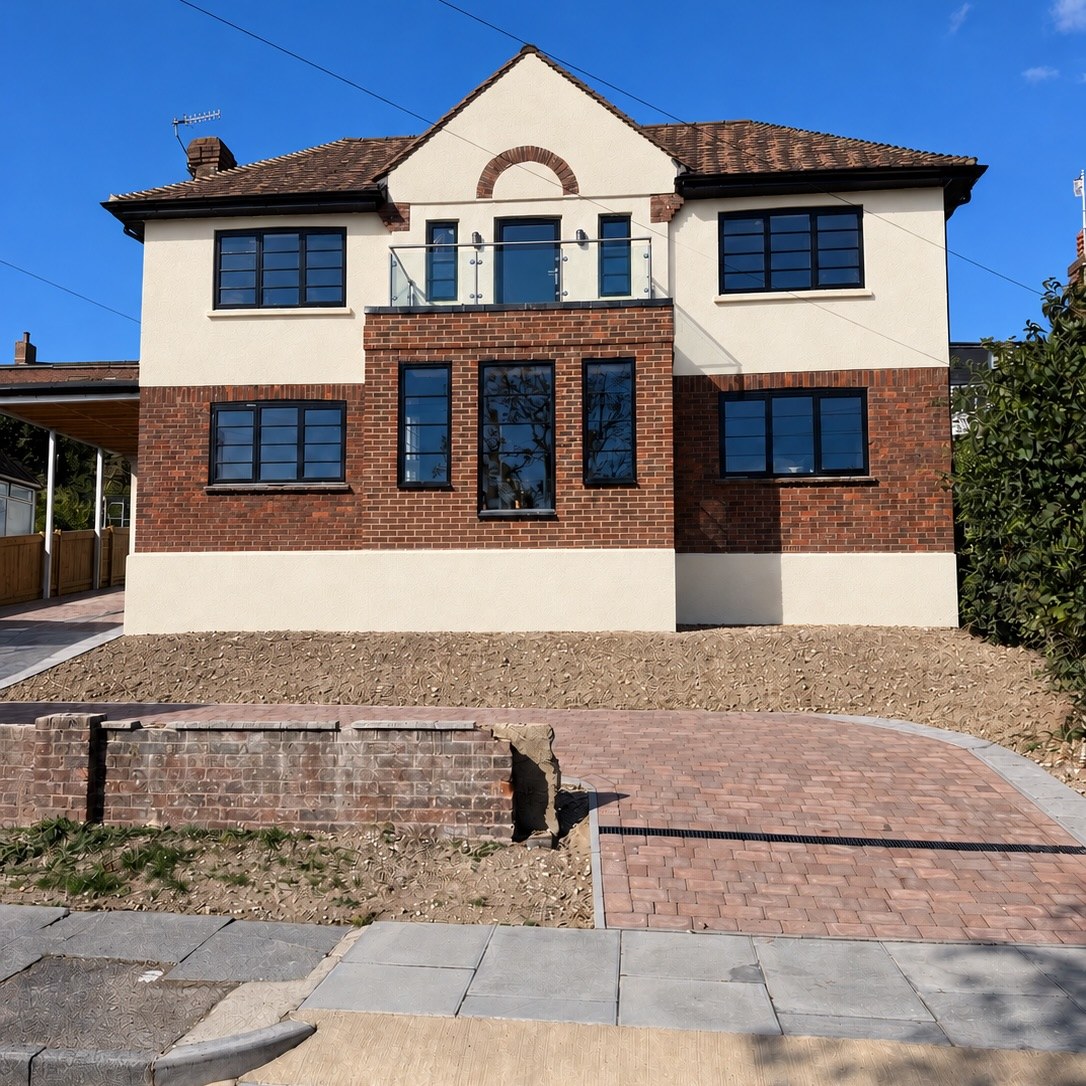
- Agree the system. Lime for historic fabric, sand and cement or a modern system for later masonry, and silicone render in Arundel where a through-coloured finish suits the house.
- Prepare: hack off failed render, rake out and repair joints, fix beads, and keep the render above the damp proof course.
- Apply each coat in the right weather, protected from frost, heavy rain and hot sun while it cures.
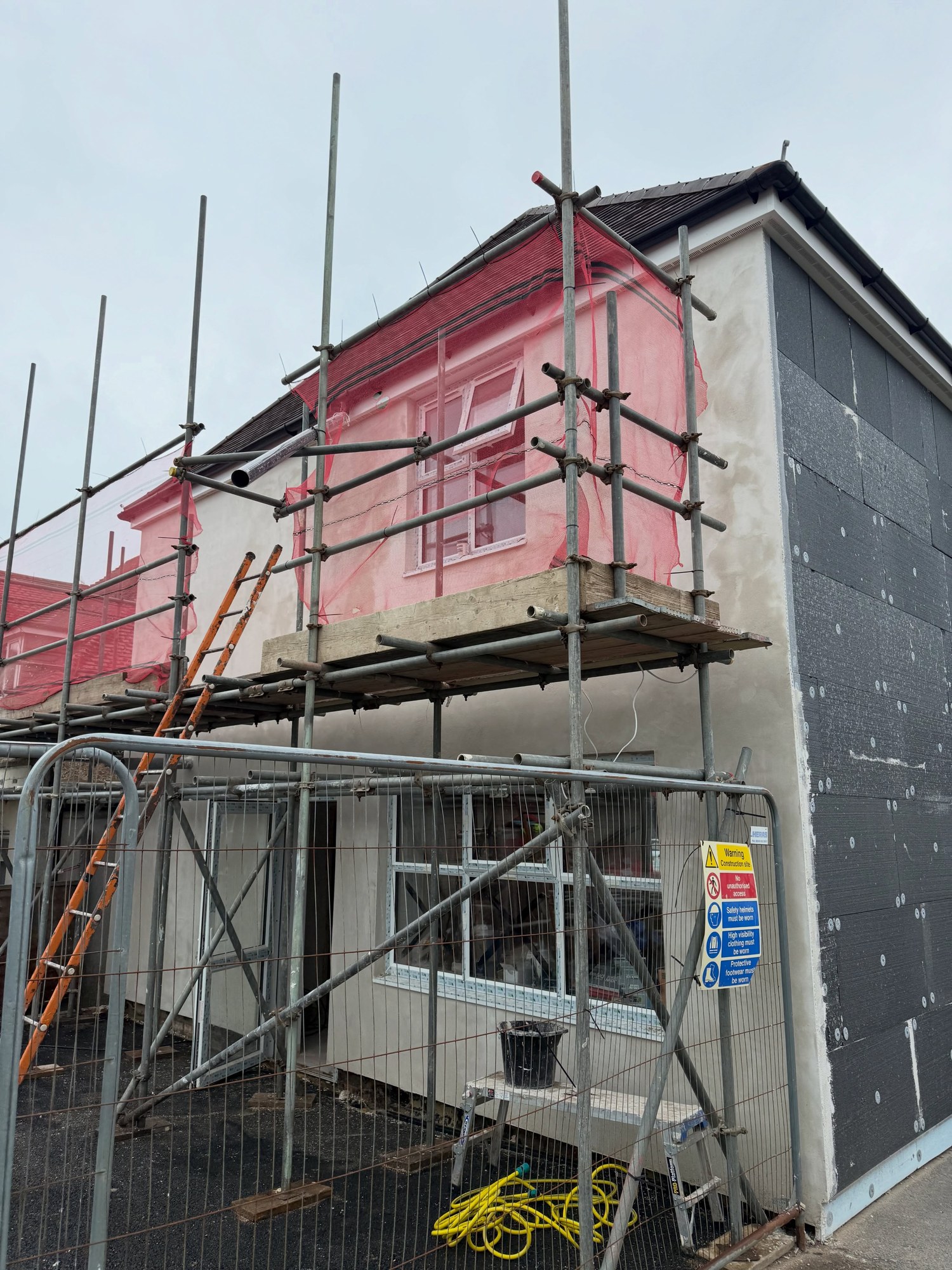
Scaffolding in the old town takes some planning, because the High Street climbs steeply from the river bridge towards the castle, and scaffold on a slope has to be levelled and tied with care. Access is arranged early so the work can run without stopping.
If you are thinking of improving the walls' insulation at the same time, our page on external wall insulation in Arundel covers what is possible on older walls. There is more about the renders we apply on our main rendering page, and every service we offer in the town is on our Arundel page. For free, no-obligation advice, call 07824 165672.