From Sea Road villas to estate houses
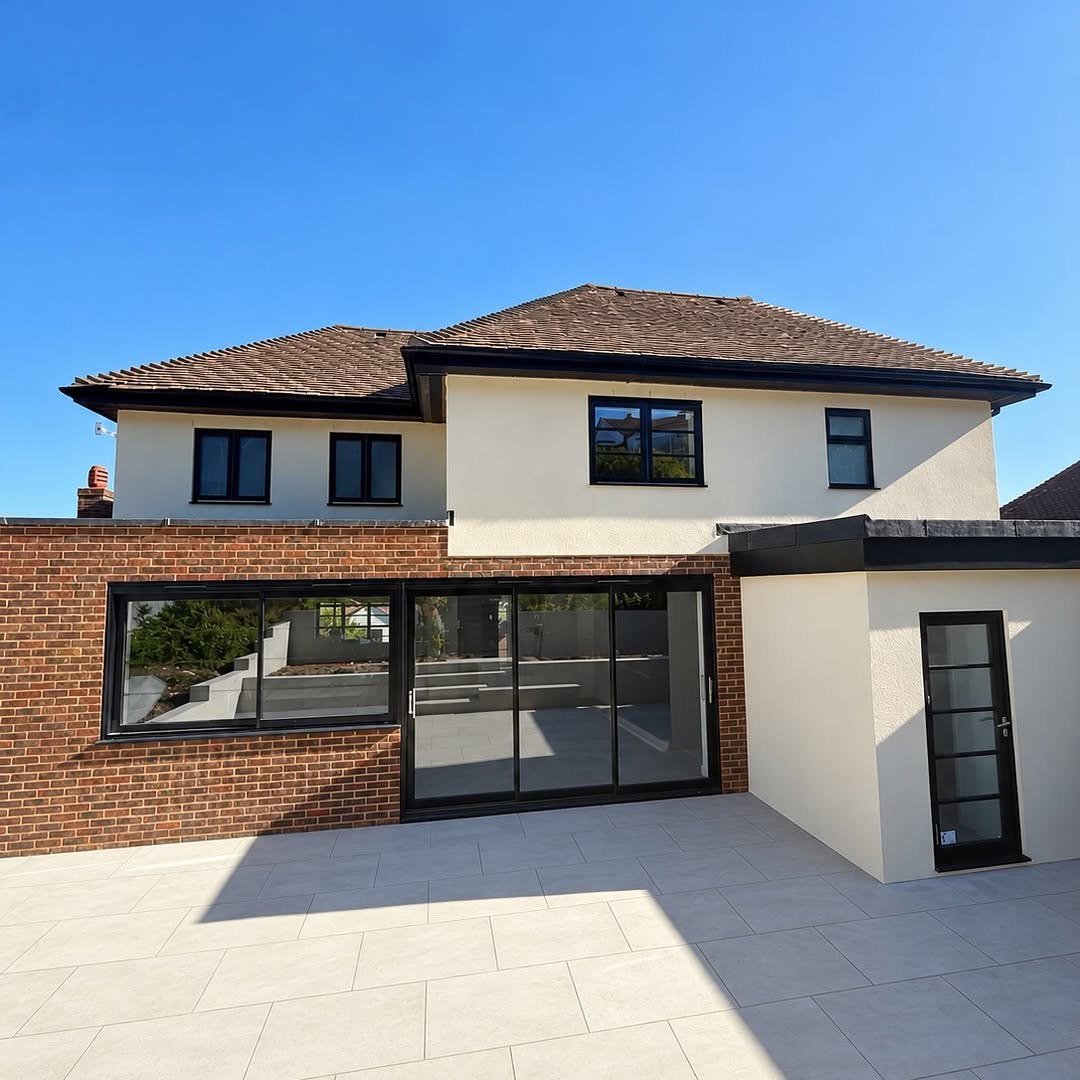
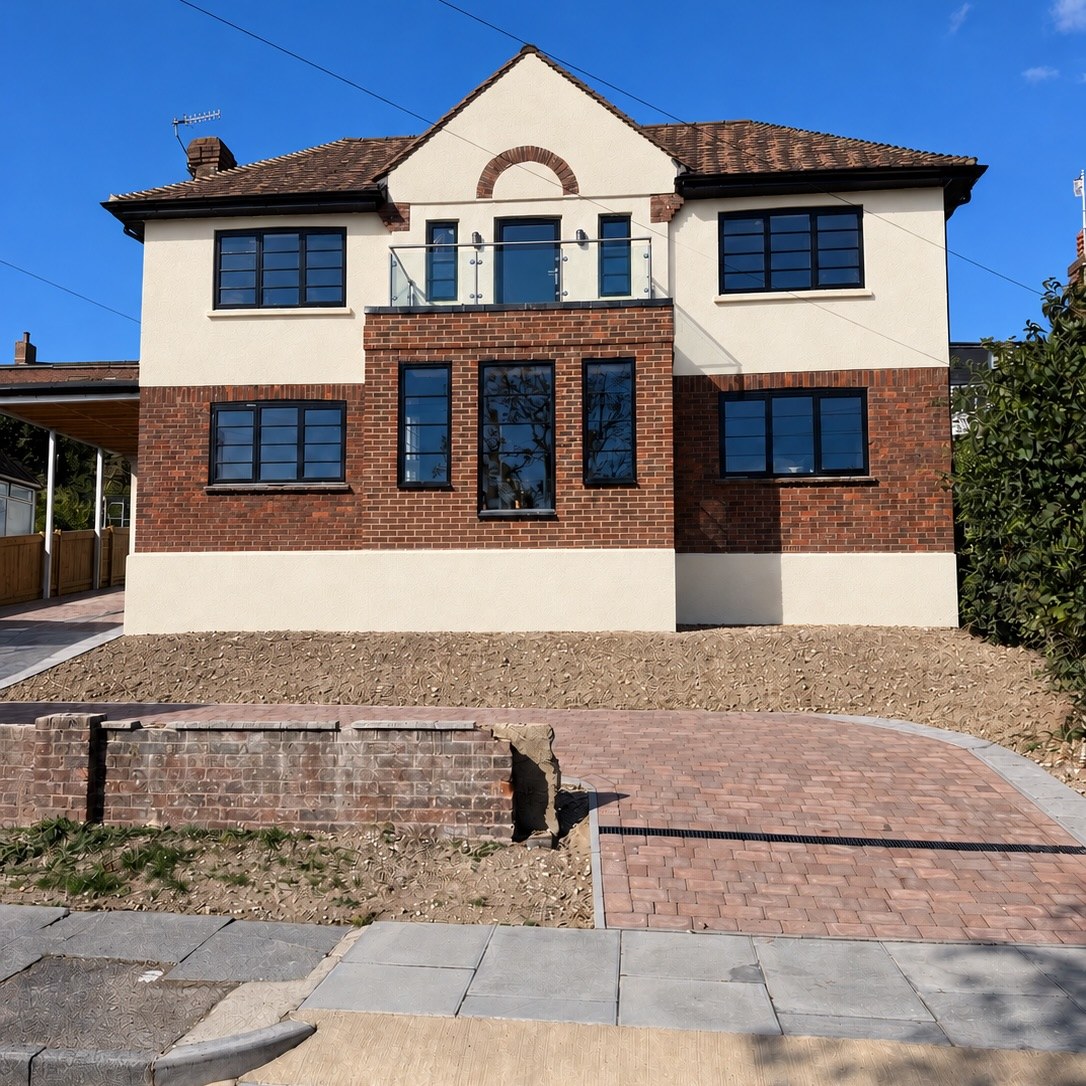
East Preston's houses were built in distinct waves, and each suits a different kind of moulding. Preston Hall, the larger of the village's two big houses, was built in 1838 with stuccoed walls, and according to the village design statement, building for newcomers began in 1896 with villas in Sea Road. Between the wars came the large houses of the Angmering-on-Sea and Willowhayne estates, many with half-timbered or rendered walls. Arun District Council describes its area of special character around Elm Avenue and Golden Avenue as mainly two-storey, mostly detached houses in spacious grounds, some in mock Tudor designs, and the design statement singles out the hexagonal leaded window lights in those two roads as details worth keeping.
After the war came the bungalows, mostly built between the 1950s and the 1980s, with lower ceilings and simpler rooms.
What suits each kind of room
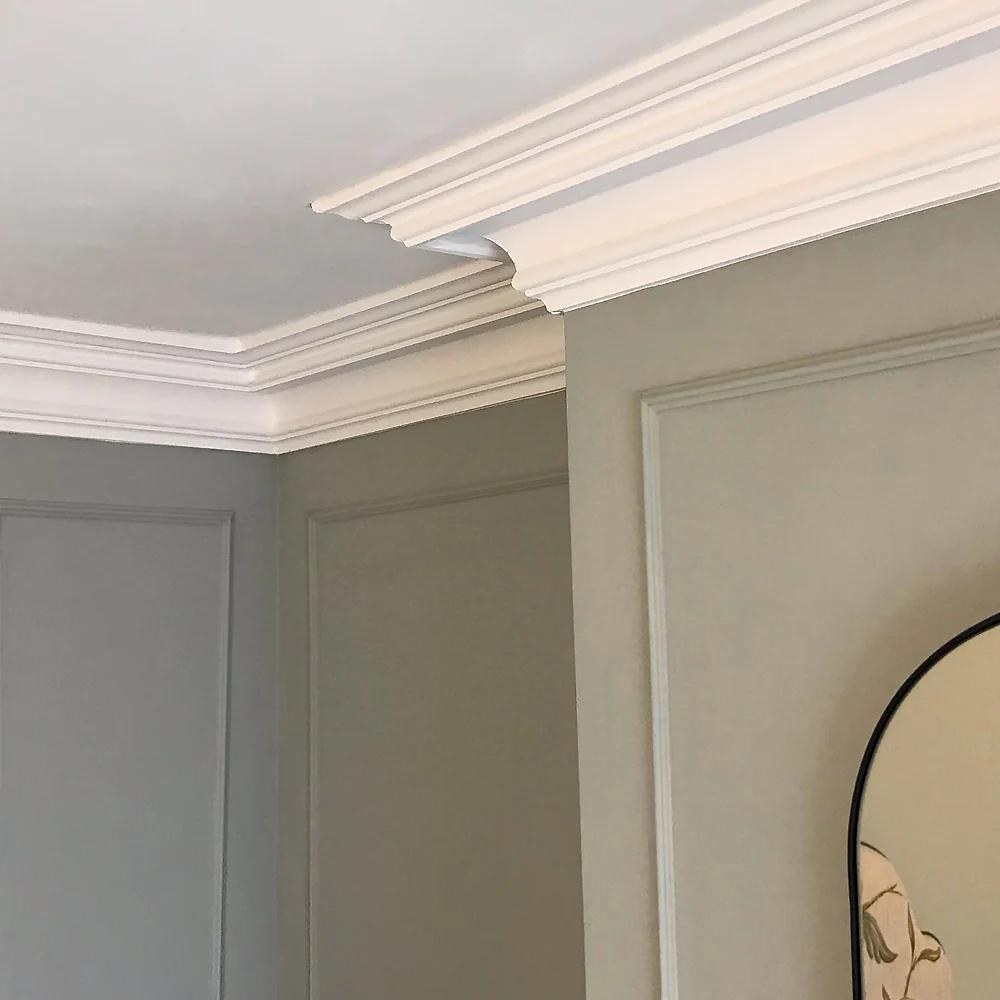
In a late Victorian villa or a pre-war estate house with generous ceiling heights, a cornice with some depth and a stepped profile looks at home, and a ceiling rose above the main light finishes the room. In mock Tudor interiors, a plainer, bolder profile often suits better than fine classical ornament. In bungalows and post-war houses with standard ceiling heights, the 127mm cove is usually the right size, clean and quiet, and it makes a tidy edge on a ceiling that has just been plastered flat over an old textured finish.
Panel mouldings are a popular way to add character to plain hallways and living rooms in later houses without any structural work, and a dado rail can break up a tall stairwell in a two-storey house. In a bungalow, a set of panels on one wall of the living room, or along the corridor that links the bedrooms, lifts a plain space without crowding it. Painted in the wall colour, the panels read as gentle texture; in a deeper shade they become a feature in their own right.
Repairing older mouldings
Where an older house has lost lengths of cornice to a leak or a removed wall, we match the profile as closely as we can from fibrous plaster sections so the repair blends in. Ceiling roses that have cracked, or been clogged by years of paint, can be replaced. If the house is listed, as several of the old buildings on The Street and Sea Road are, talk to Arun District Council before original decorative plasterwork is removed or replaced.
Fitting
Cornice goes up after plastering, once the walls and ceiling are dry. Corners are mitred so the profile turns without a break, joints are filled until they disappear, and the run is kept straight where an older ceiling is out of level. The mouldings are then ready for a mist coat along with the ceiling, and a slightly different shade on the cornice will pick out its profile.
For ceilings that need smoothing first, see Artex ceilings in East Preston or plastering and skimming in East Preston. Our coving and cornice page shows the full range, from cove to fire surrounds and columns, and our East Preston page lists everything we do in the village. Call 07824 165672 or send a photo of the room for a free quote.