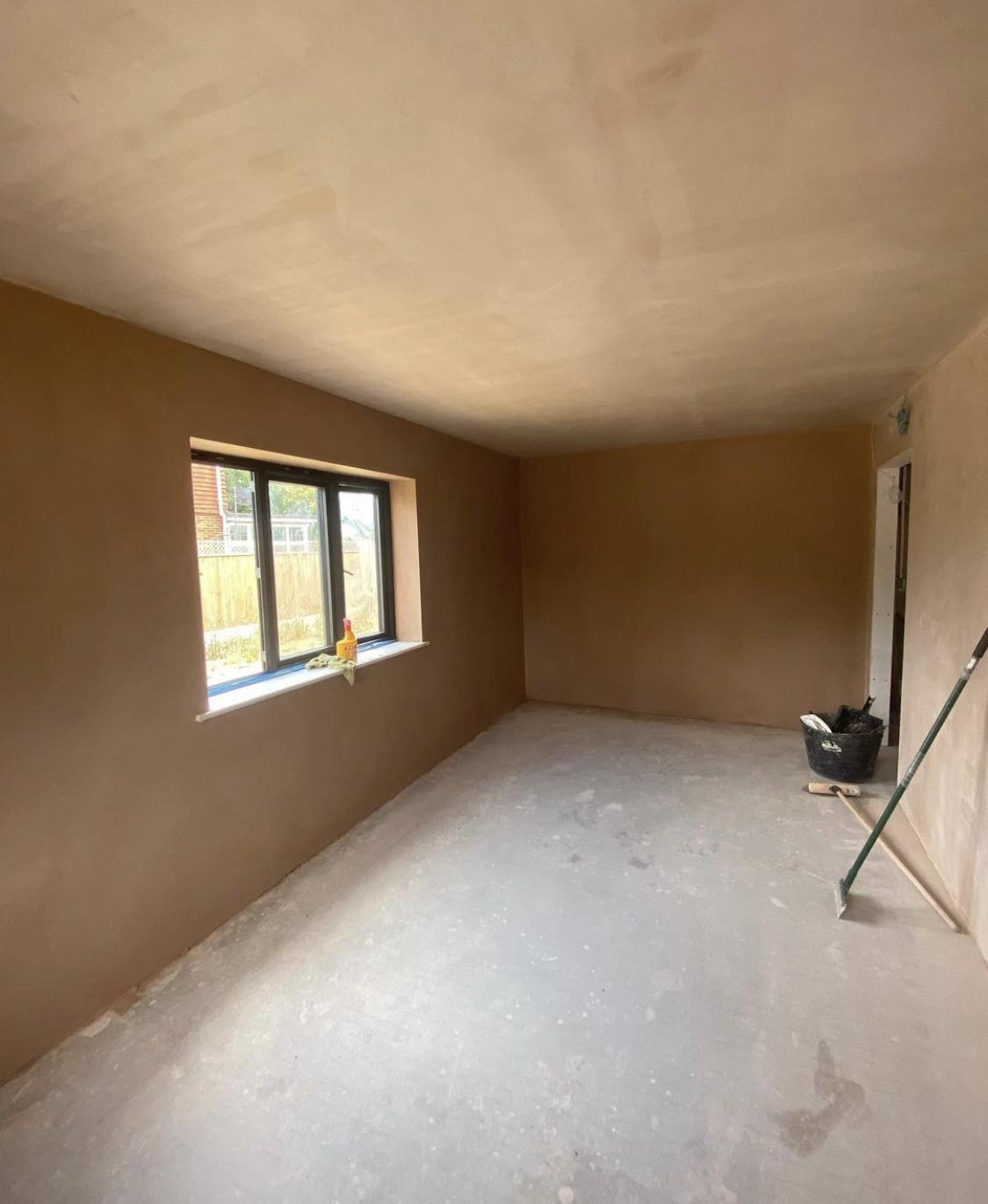
What Arundel's solid walls are made of
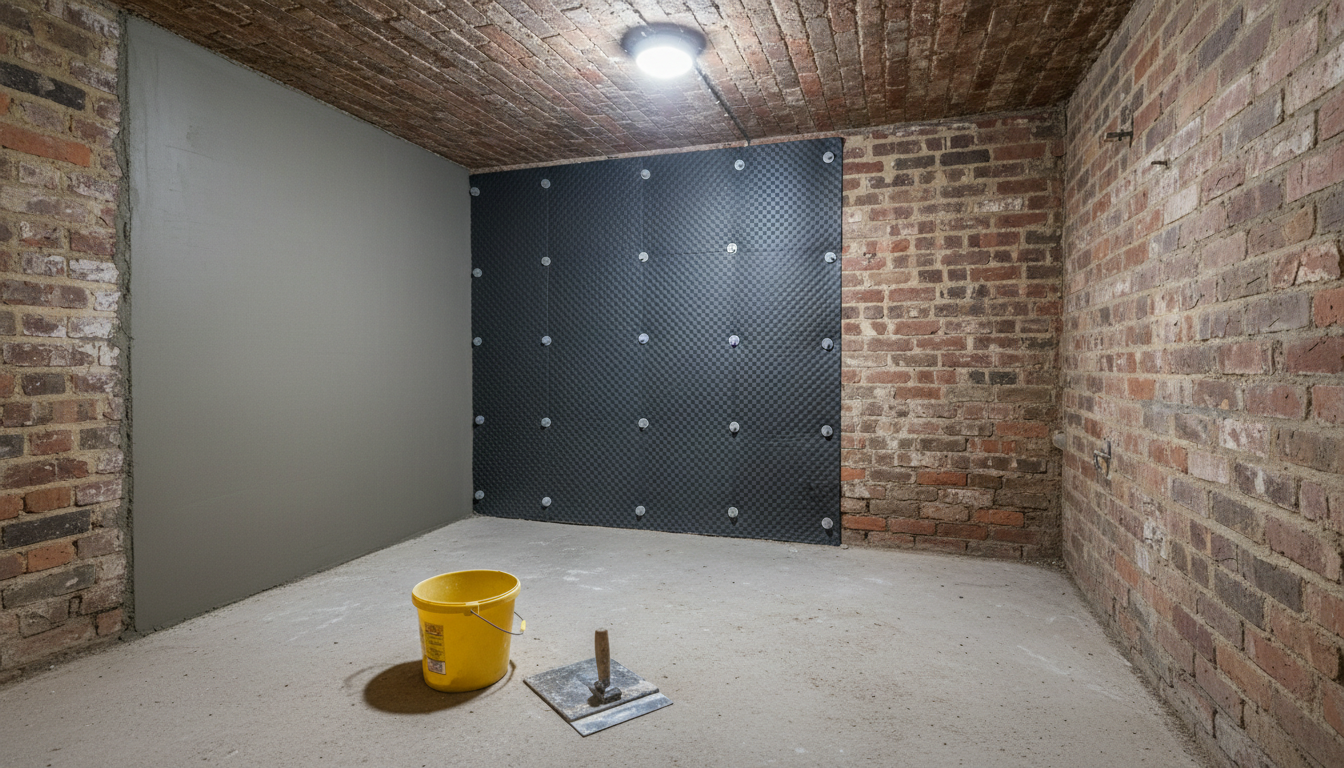
Float and set is plastering for solid walls, and Arundel's historic streets are full of them. The Sussex Extensive Urban Survey traces the materials: brick came into wide use in the 17th century and dominates the surviving 18th-century houses, while flint, laid with brick dressings at the corners and openings, became the main building material of the early 19th century, when most of the town's modest terraces went up. Around the turn of that century a grey Plymouth stone appeared as well, in the terrace on Surrey Street and in walls along London Road, Parson's Hill and Mount Pleasant.
Each of those behaves differently under a backing coat. Brick is fairly regular and takes a float well once it is clean and damped down. Flint is the awkward one: knobbly, uneven and bedded in a lot of mortar, so the backing coat has to fill deep hollows between the stones before it can be ruled flat. That is done in layers, letting each one firm up, rather than in one heavy coat that would sag or crack.
Choosing the right backing for an older wall
An 18th or 19th-century wall was built to let moisture in and out. Lining it with a dense, impermeable plaster can trap that moisture and push damp to wherever it can escape. On older flint and brick walls we talk through the backing materials before starting, and where the original plaster was lime, a breathable system is usually the better match. On modern blockwork in an extension, a standard gypsum backing coat and finish is the norm.
If the old plaster failed because the wall is wet, the moisture has to be dealt with before anything new goes on. Our page on damp proofing in Arundel explains how the cause is found first.
Typical floating work in Arundel
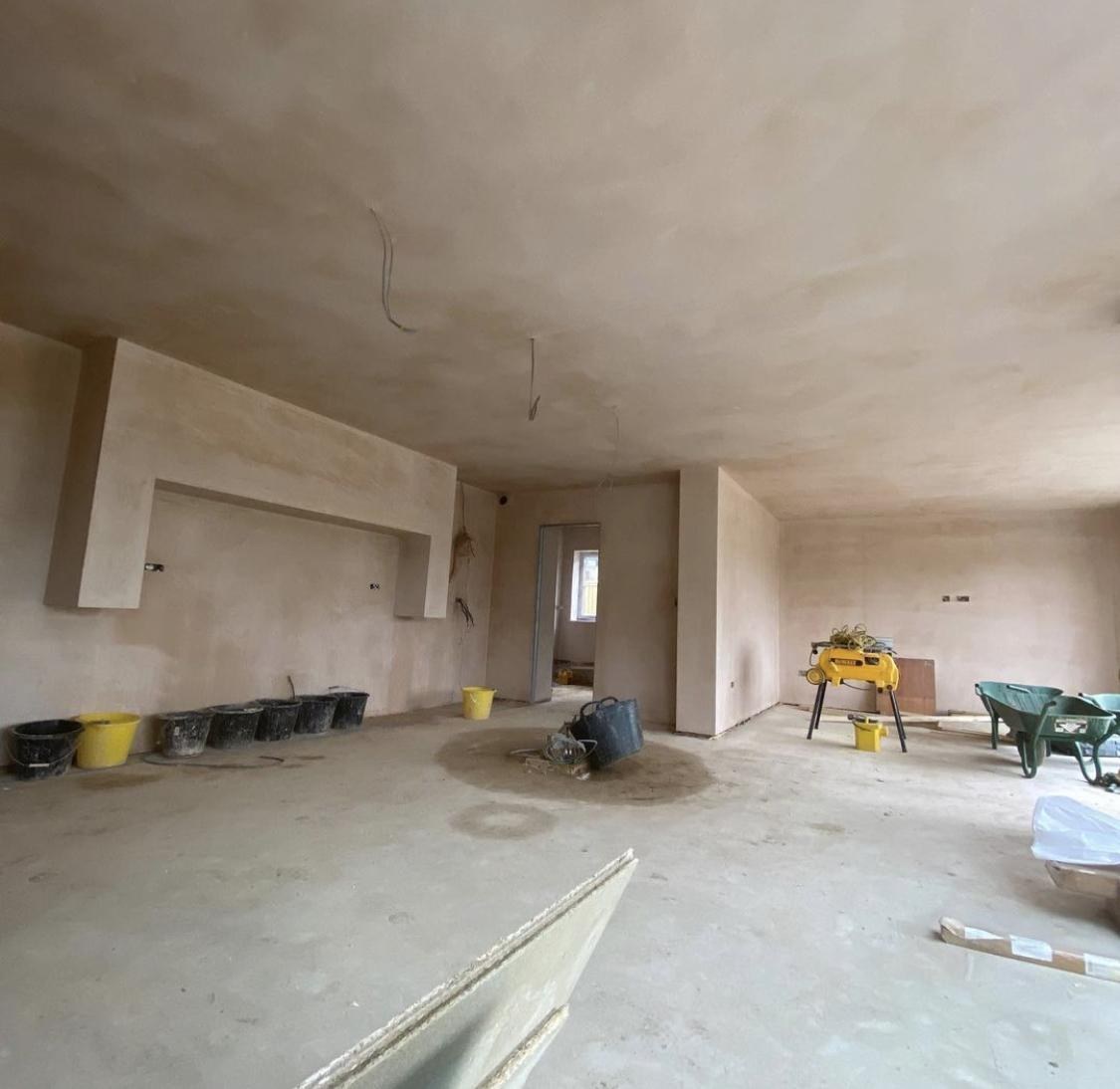
- Cottage walls in the old town hacked back after decades of patching, then floated and set back to true.
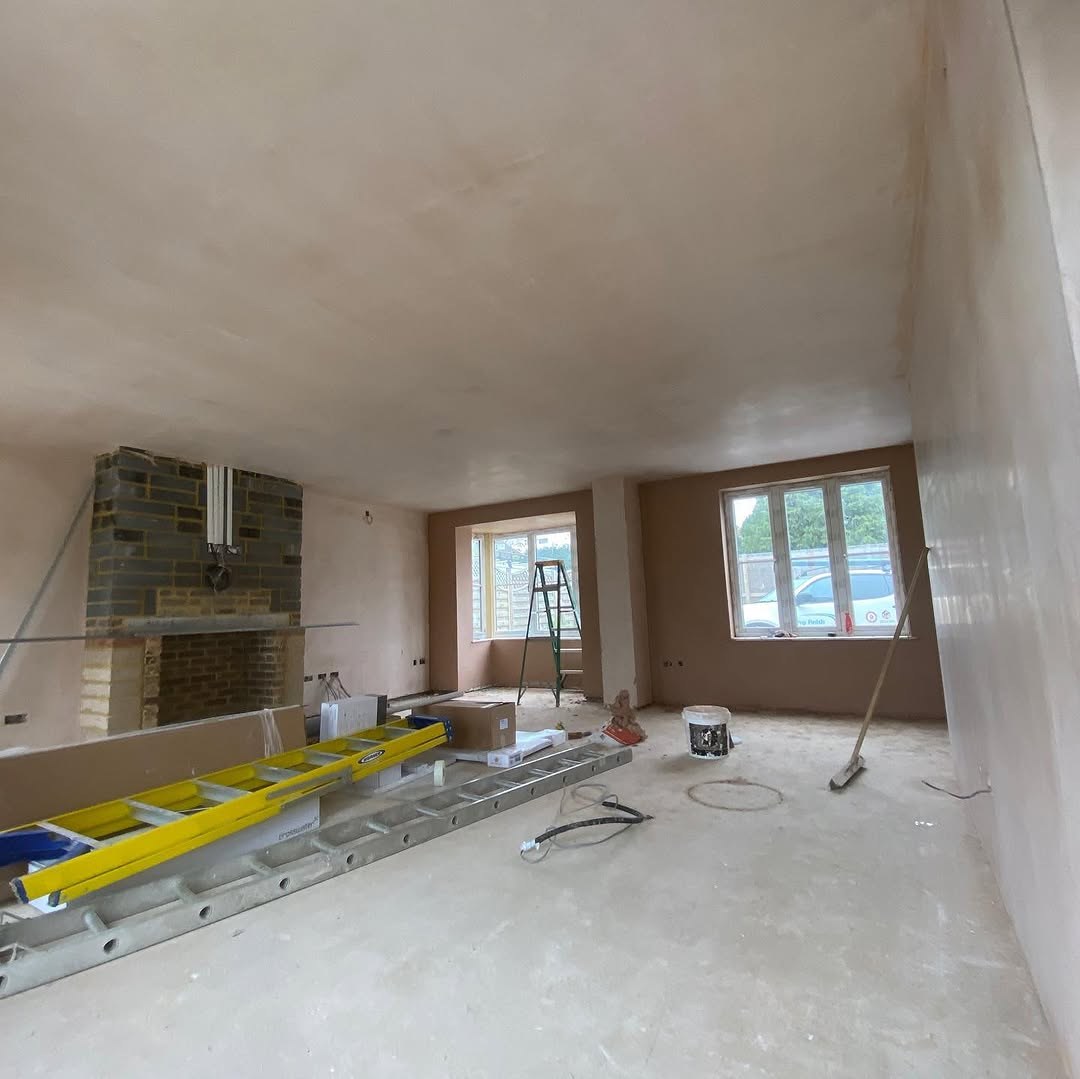
- Openings knocked through between rooms, or a chimney breast taken out, leaving raw brick and flint to make good.
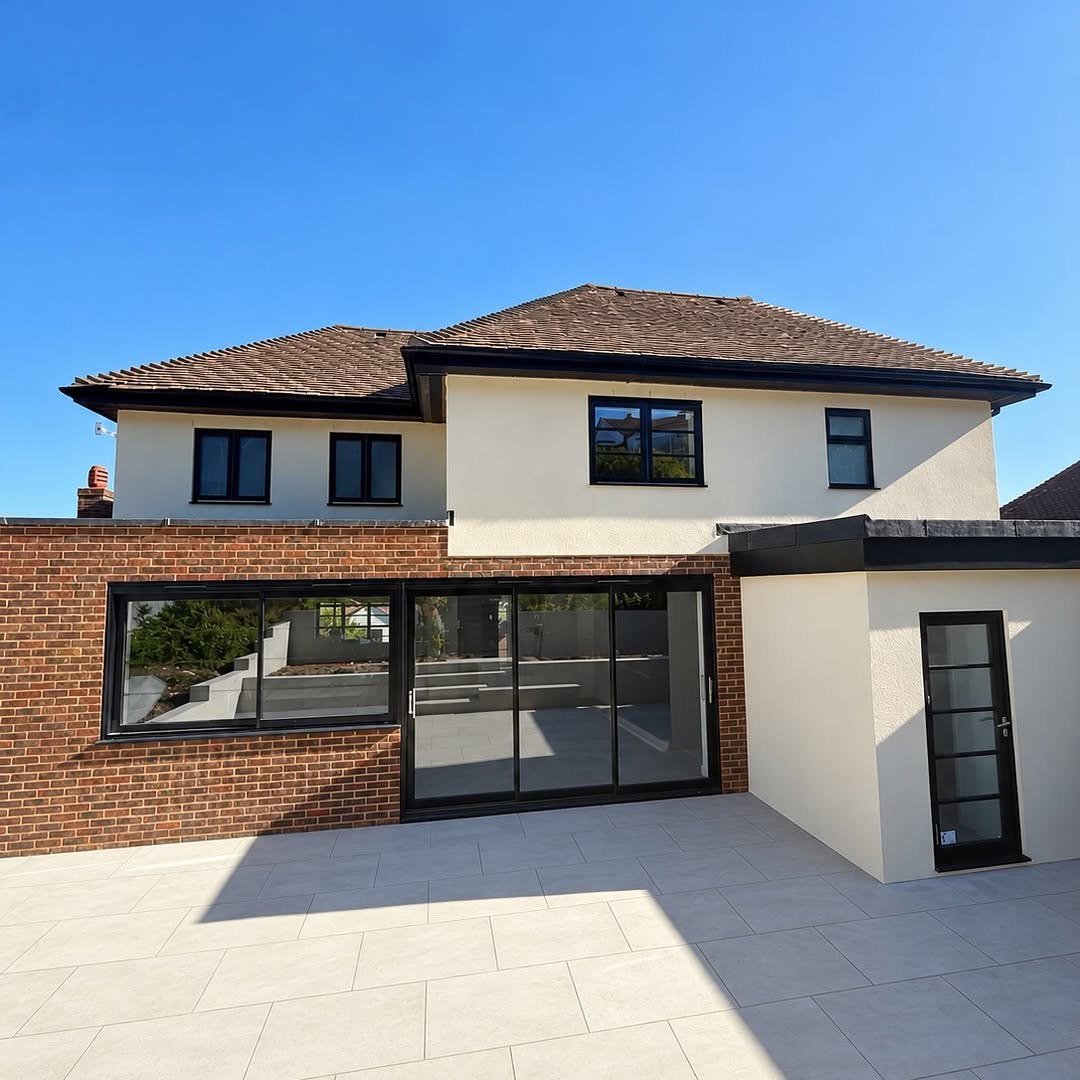
- New blockwork in rear extensions and garden rooms on the semi-detached and detached houses west of the A27.
- Walls left uneven after a rewire or new heating pipework in an older house, where a skim alone would not hide the chases.
The process, coat by coat
- Strip loose and blown material back to the masonry and brush the wall down.
- Damp the background or apply a primer, so the backing coat does not dry out too fast on thirsty brick and flint.
- Fix beads to external corners and around window and door openings.
- Apply the float, rule it flat with a straight edge and build out any deep hollows in stages.
- Scratch the surface to give the finish coat a key.
- Apply the set, trowelled to a smooth, hard surface that is ready for decorating once dry.
Float and set or plasterboard?
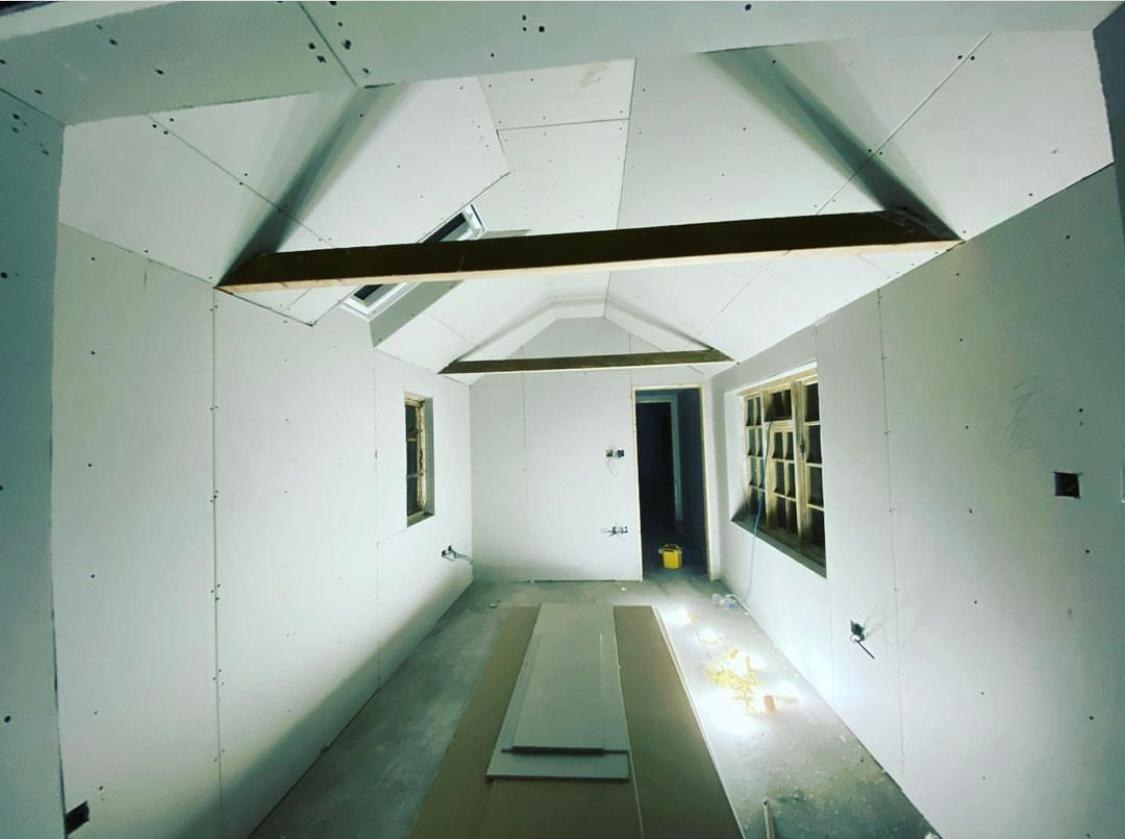
On some walls dry lining is quicker and avoids the long drying time of a wet backing coat. On others, especially where heavy units or shelving will be fixed, a solid plastered wall is the stronger choice. In an older Arundel house the decision also depends on how damp the wall is and whether the building is listed. Our page on plasterboarding and dry lining in Arundel sets out the alternative.
Read more about traditional float and set plastering, or see our Arundel page for every service we cover in the town. For free, no-obligation advice on your walls, call 07824 165672.