Built from its own clay
Haywards Heath is a brick town, and much of that brick was made on the spot. Mid Sussex District Council's historic assessment of the town lists brickyards on Hazelgrove Road, Franklynn Road and Ashenground Road by the 1870s, two more on New England Road by 1882, and another where Dellney Avenue now runs by 1895. The council's appraisal of The Heath conservation area explains the deep red colour of so much local brickwork: the Wealden clay it was made from is rich in iron. Bricks were laid in a variety of bonds, Flemish bond in particular, and walls built that way are usually solid, with no cavity.
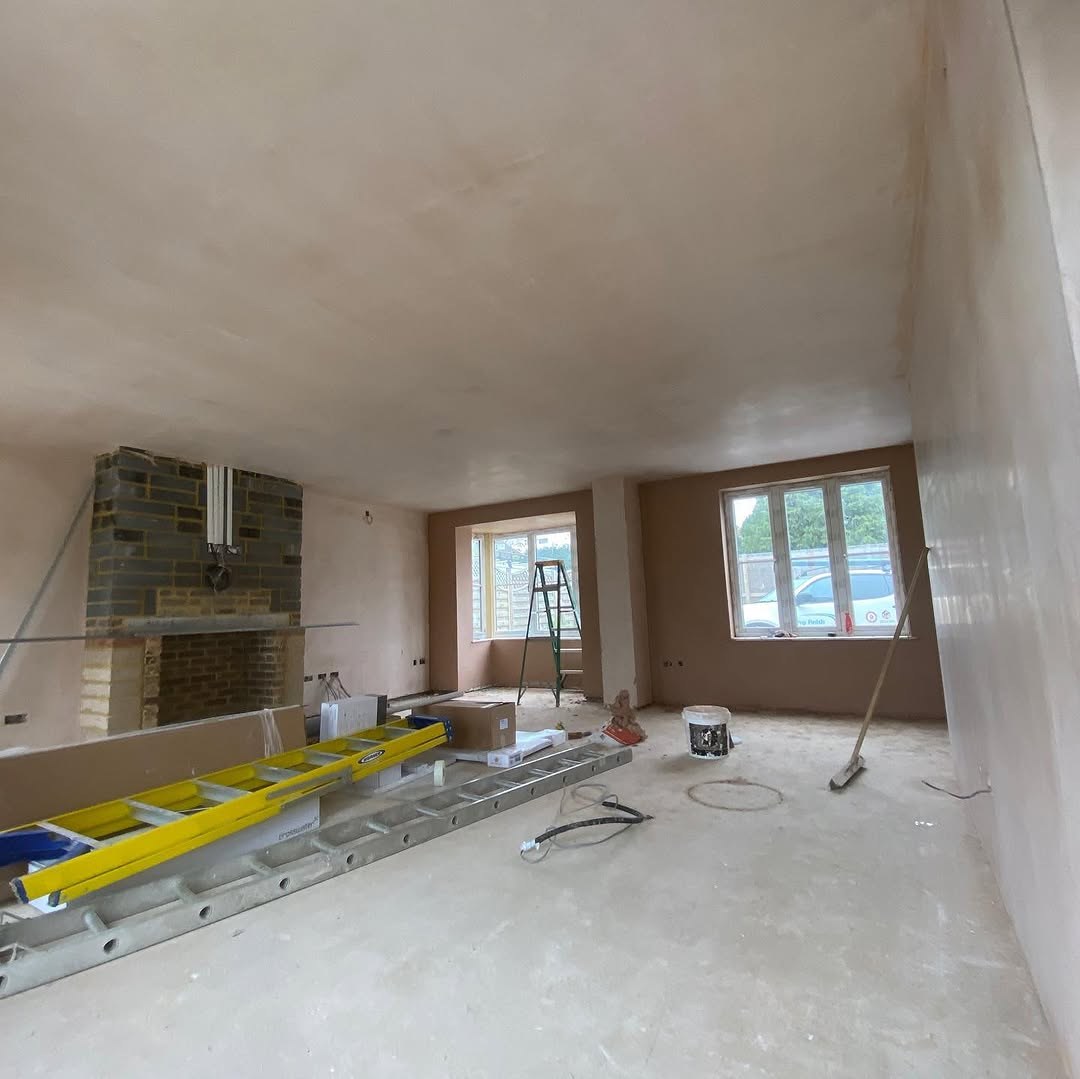
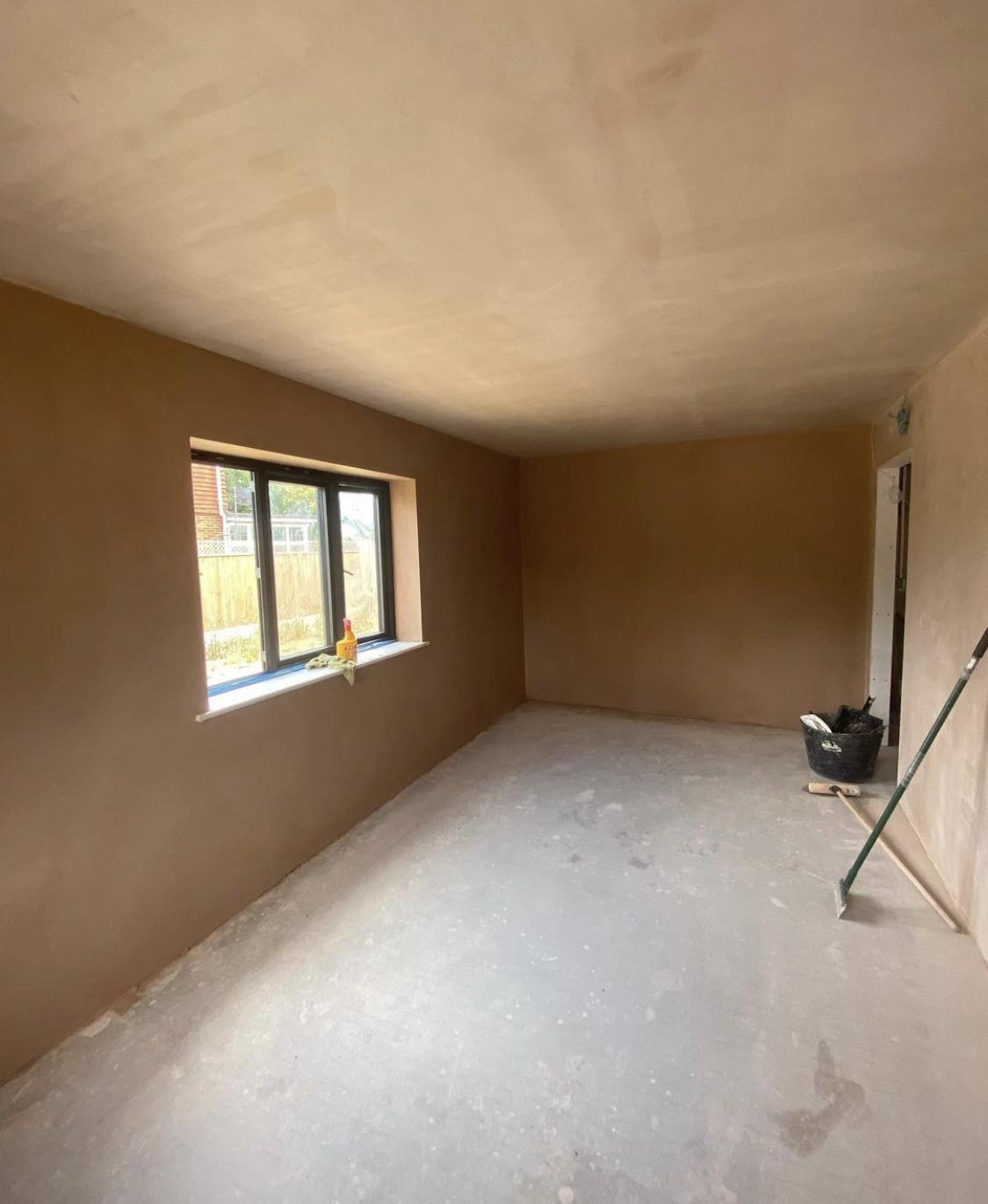
That matters when a wall has to be plastered from scratch. A solid Victorian brick wall behaves differently from modern blockwork: it holds moisture and needs to be able to dry out, and its surface is rarely flat. Float and set is the traditional answer: a backing coat applied to the bare masonry and ruled flat with a straight edge, then a finish coat set smooth over it.
When walls in Haywards Heath need floating
The jobs that most often expose bare brick or block here are:
- Opening up a villa. Knocking through between reception rooms, taking out a chimney breast or forming a new doorway in one of the town's large Victorian and Edwardian houses leaves raw brickwork to bring back to a true line.
- Plaster that has failed. Old plaster that has blown, cracked or been damaged by damp comes off, and the wall underneath needs a new backing coat. If damp caused it, read damp proofing in Haywards Heath first.
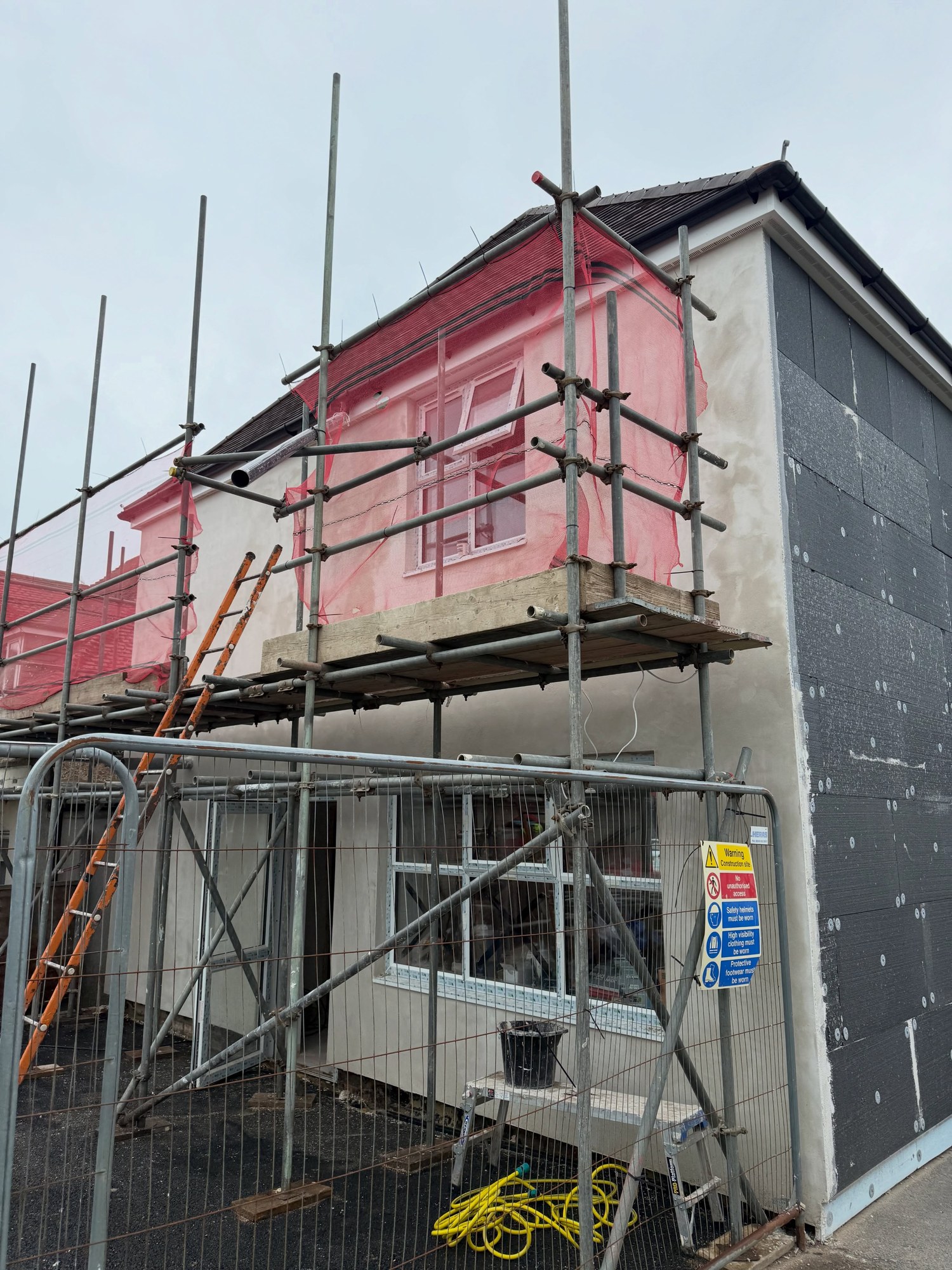
- Extensions. The conservation area appraisal notes that many villas along Oathall Road have been extended over the years. New block walls in an extension are floated and set, or dry lined, before the finish coat.
- Walls patched too many times. Years of repairs in a house divided into flats can leave a wall that no skim will disguise.
Choosing the backing for an older wall
On a solid brick wall that needs to breathe, the backing coat matters as much as the finish. For older walls, especially where some original lime plaster is being kept, we talk through the options before starting, and a lime-based or breathable backing is often more suitable than a hard, dense one. On modern blockwork in an extension or new build, a conventional gypsum or cement-based backing is normally the right choice. The finish coat goes on in British Gypsum plaster in either case, trowelled flat once the backing has firmed up.
Floated wall or plasterboard?
For new walls in an extension, it is worth weighing up both routes. A floated wall is hard, takes heavy fixings such as kitchen cabinets and radiators, and resists knocks. Plasterboard on dot and dab or on a frame is quicker and dries faster. Many projects use both: solid plaster where strength matters and boards elsewhere. Our page on plasterboarding and dry lining in Haywards Heath covers the boarded side, and plastering and skimming in Haywards Heath covers the finish over existing walls.
Drying out
A floated wall holds far more water than a skim and needs time. Expect longer in winter, and in north-facing rooms or basements. Keep the room aired and gently warm, and wait until it is evenly pale before decorating.
Read more about traditional float and set plastering, or see all our services in Haywards Heath. Free, no-obligation quotes on 07824 165672.