Mansions and villas divided into flats
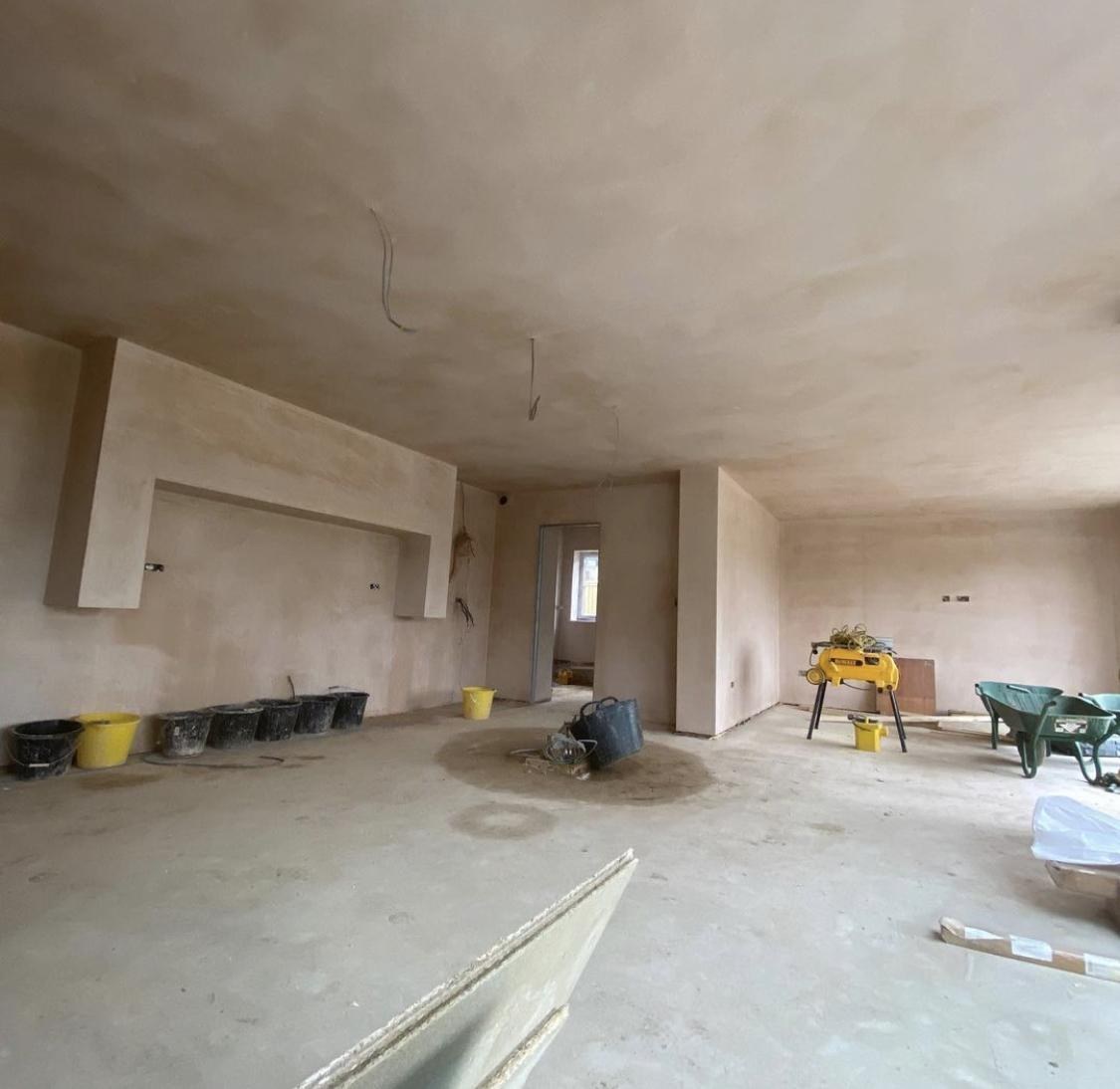
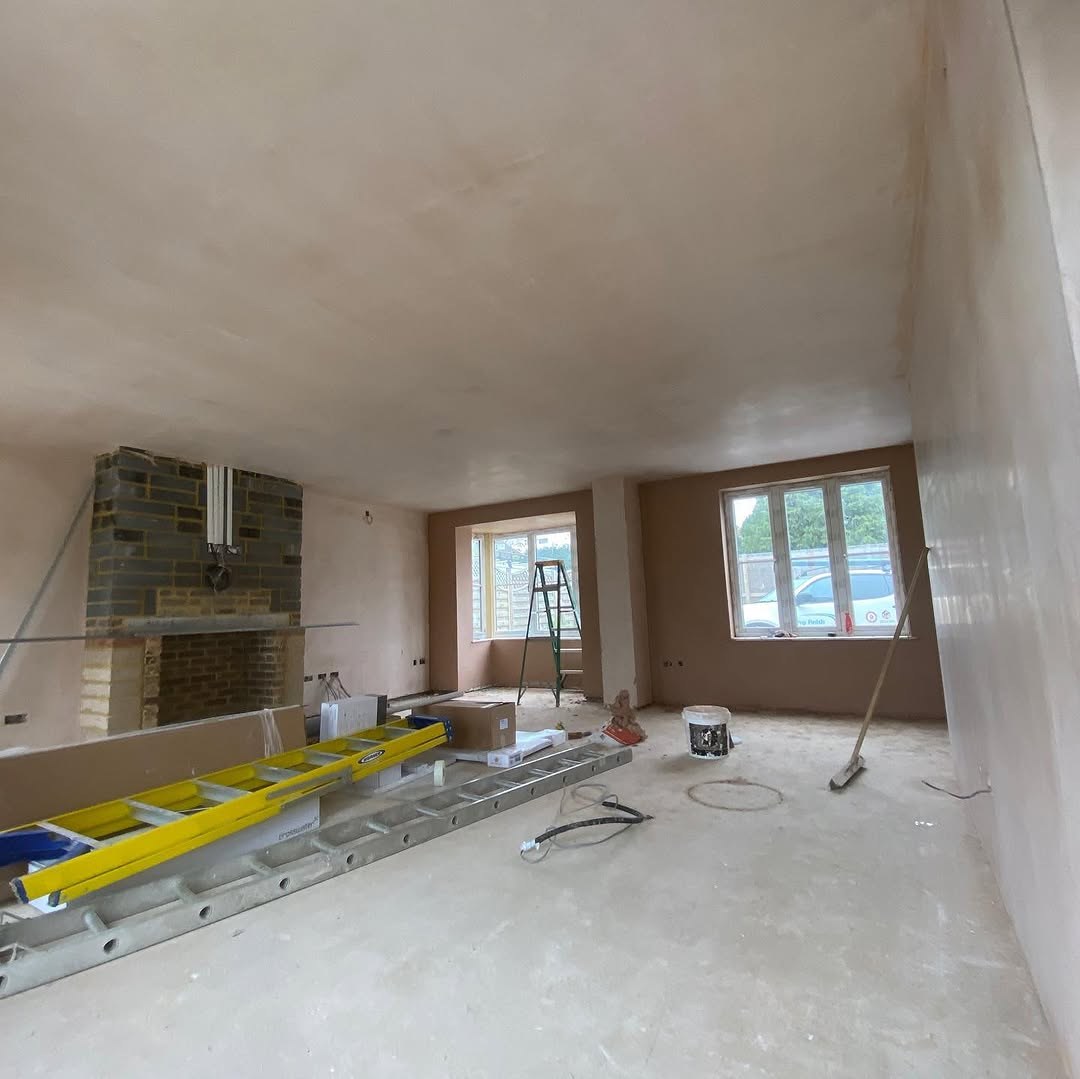
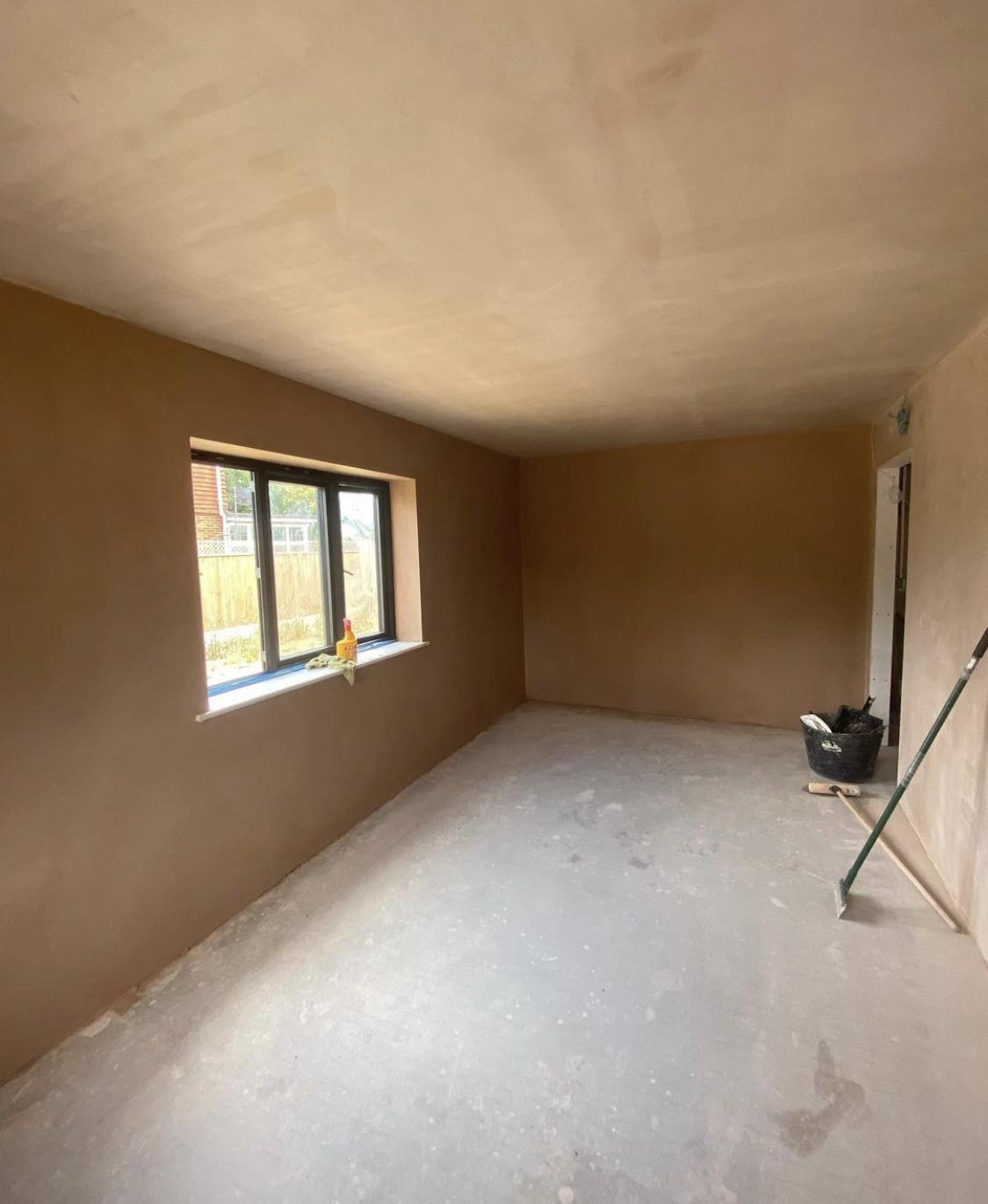
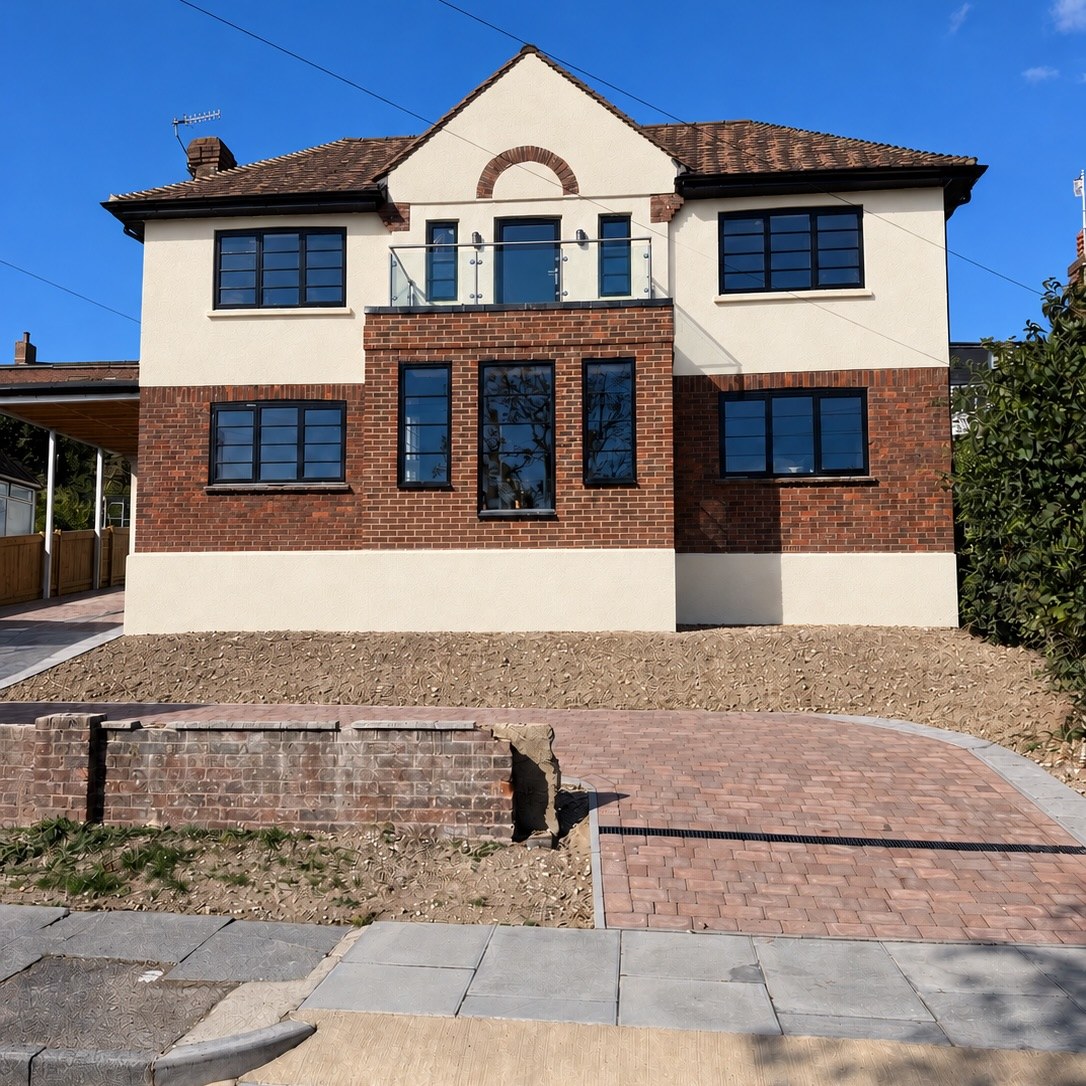
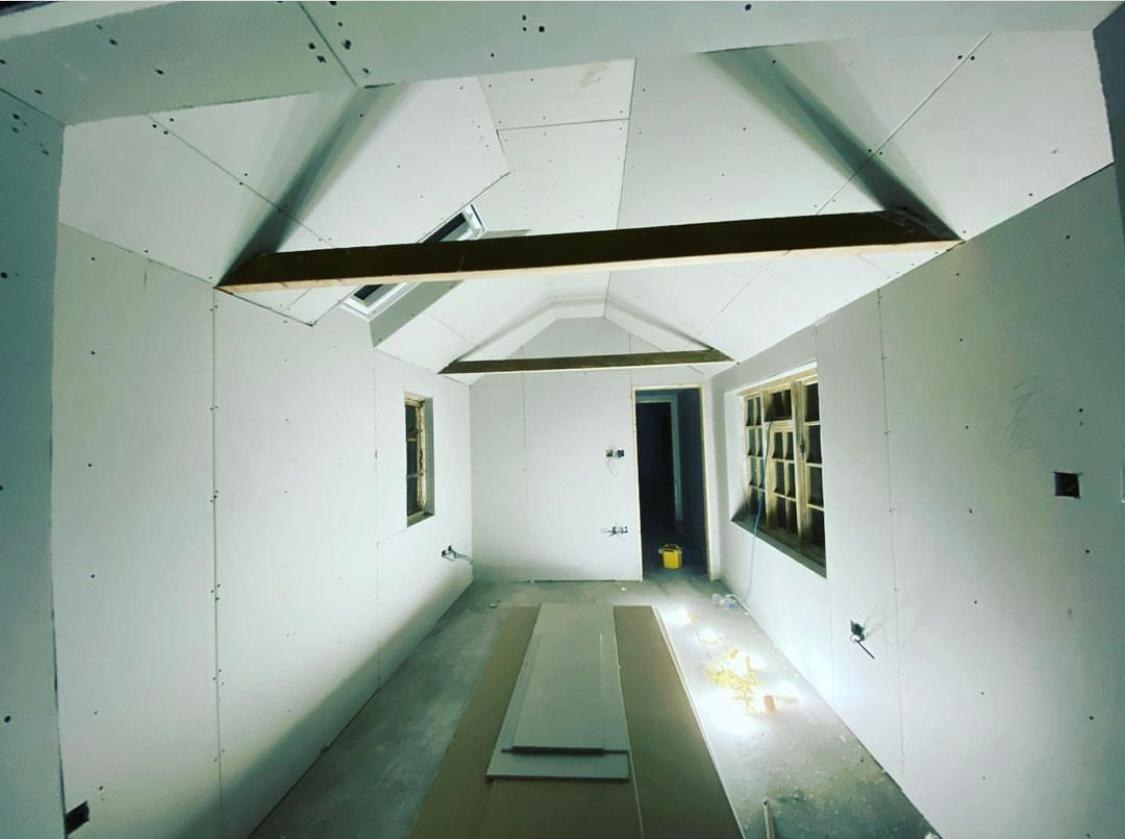
Large houses fell out of favour early in the 20th century, and in Adelaide Crescent, as in many of Hove's 19th-century set pieces, a great many were converted into flats. Palmeira Square's deeds even set a maximum number of flats each house could be split into. Further north, the big detached villas William Willett built along The Drive in the 1880s are now mostly flats too. Each new layout calls for partitions, linings and ceilings, and dry lining is the light, quick way to build them inside an existing structure without adding the weight and drying time of solid plaster.
Working inside listed and protected buildings
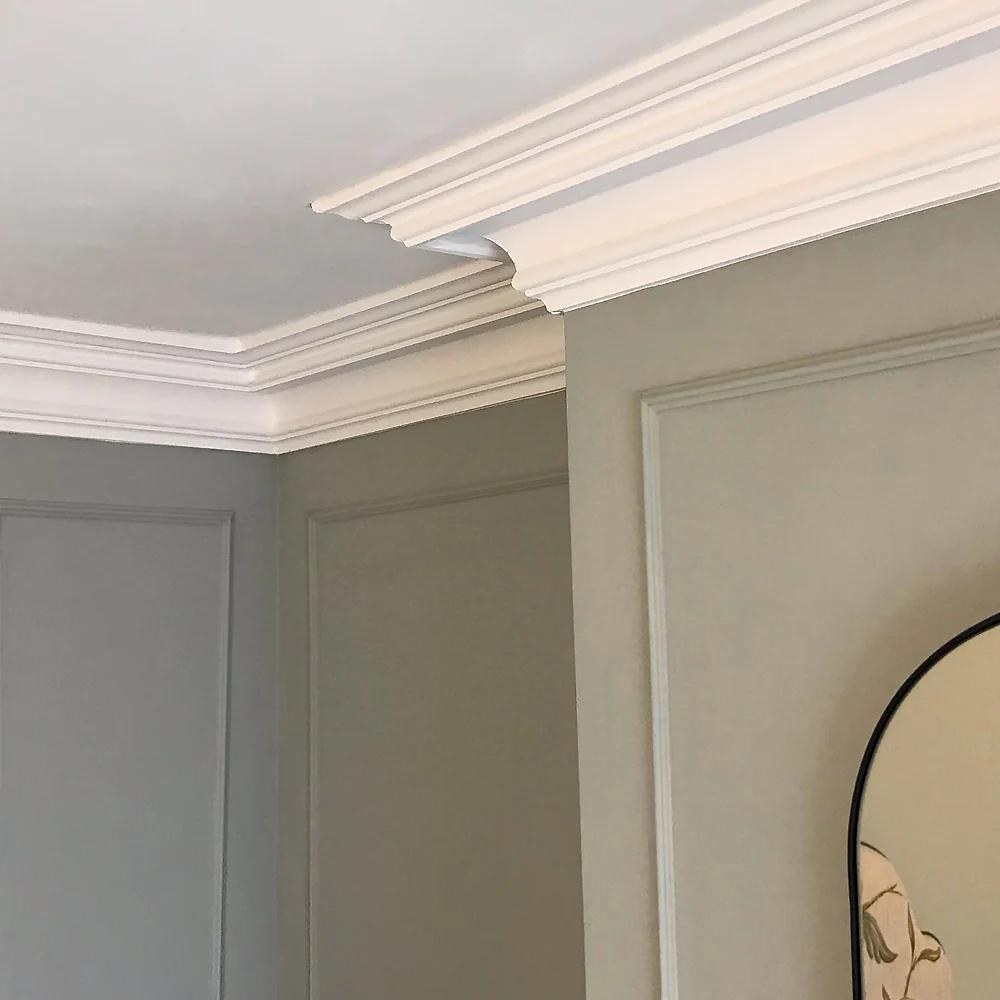
Adelaide Crescent is listed Grade II*, and much of central Hove sits in conservation areas. In a listed building, Brighton & Hove City Council says listed building consent is needed for most energy efficiency work, including internal wall insulation, so new linings and partitions have to be agreed before work starts. Good practice in these interiors is to keep changes reversible: stud partitions scribed around cornices rather than cut through them, sound insulation placed in floor voids instead of dropping a ceiling below the original plasterwork, and fixings kept clear of decorative features.
Interwar blocks and their flats
Hove also has a fine stock of purpose-built flats from between the wars, among them Courtenay Gate, a seven-storey block designed in 1934 for a prime seafront site, and Wick Hall and Furze Croft from 1936 and 1937. When a flat in a block like these is refitted, the old internal walls are often replaced with metal stud partitions, giving straight, true walls with room for cables and insulation, and they can be taken out again later without damaging the floor or ceiling, while a metal frame (MF) ceiling can carry new lighting without chasing into the structure.
Sound, fire and warmth between neighbours
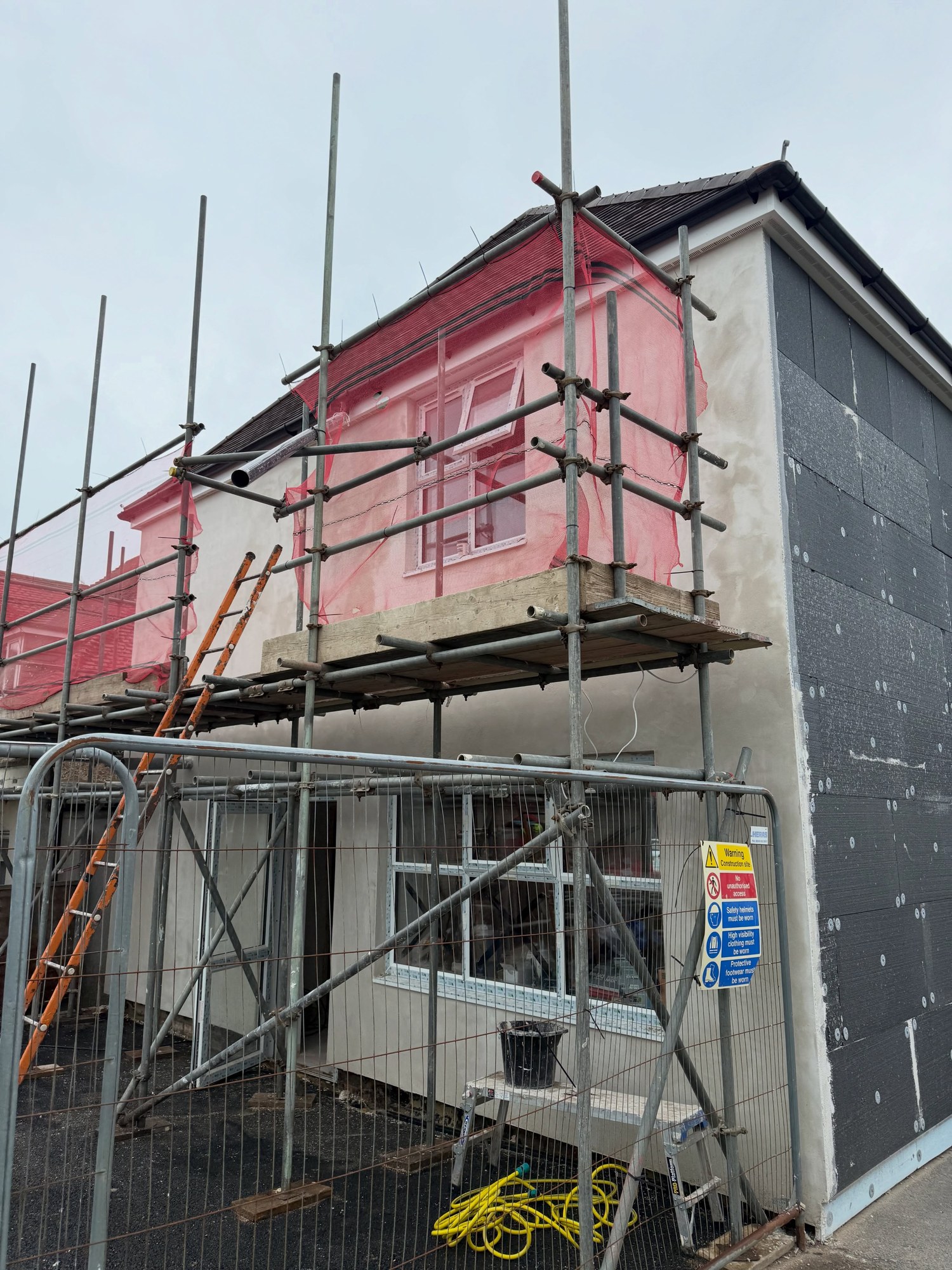
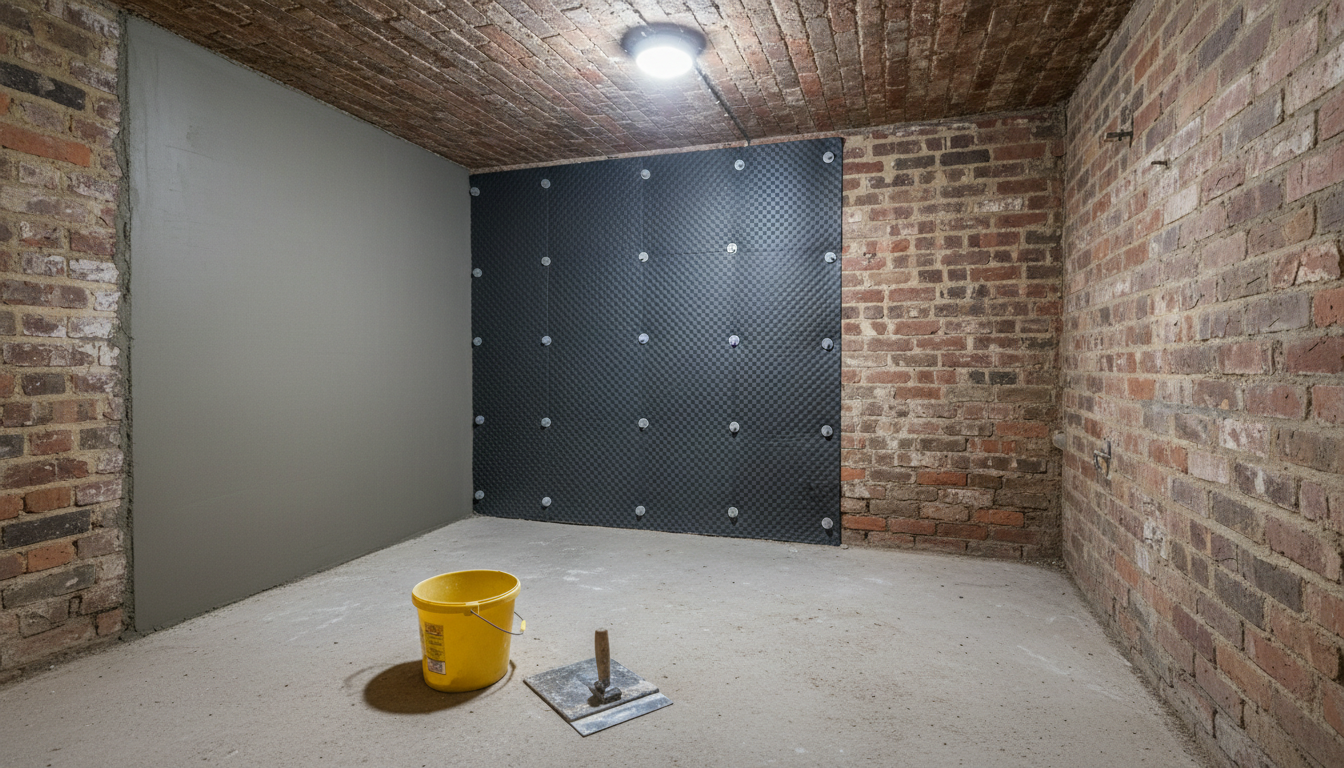
Noise from next door or upstairs is often the first thing residents notice in a converted house. Linings fixed on resilient bars or independent studs, acoustic rock wool in the voids, double layers of denser board and sealed edges all reduce it. Where a flat sits above a shop or a communal hall, fire-rated board in the ceiling helps slow fire between the two. Cold external walls can be lined with insulated plasterboard or rigid insulation such as Celotex, which keeps the front elevation unchanged, a real advantage in streets where the outside is protected. In a tall villa room the lining has to stop neatly at window shutters, sash boxes and skirtings, so those details are agreed before the first board is cut.
Before work starts
- Leaseholders usually need the freeholder's consent for internal alterations.
- Building control will want to see how sound and fire separation is achieved.
- Mansion blocks can have narrow stairs or small lifts, so tell us how boards will get in.
The boarding is finished with a skim, explained on our page about plastering and skimming in Hove, and for solid walls see float and set in Hove. Pro Finish Plastering covers every part of Hove, and our main plasterboarding and dry lining page has more detail. Call 07824 165672 for free advice with no obligation.