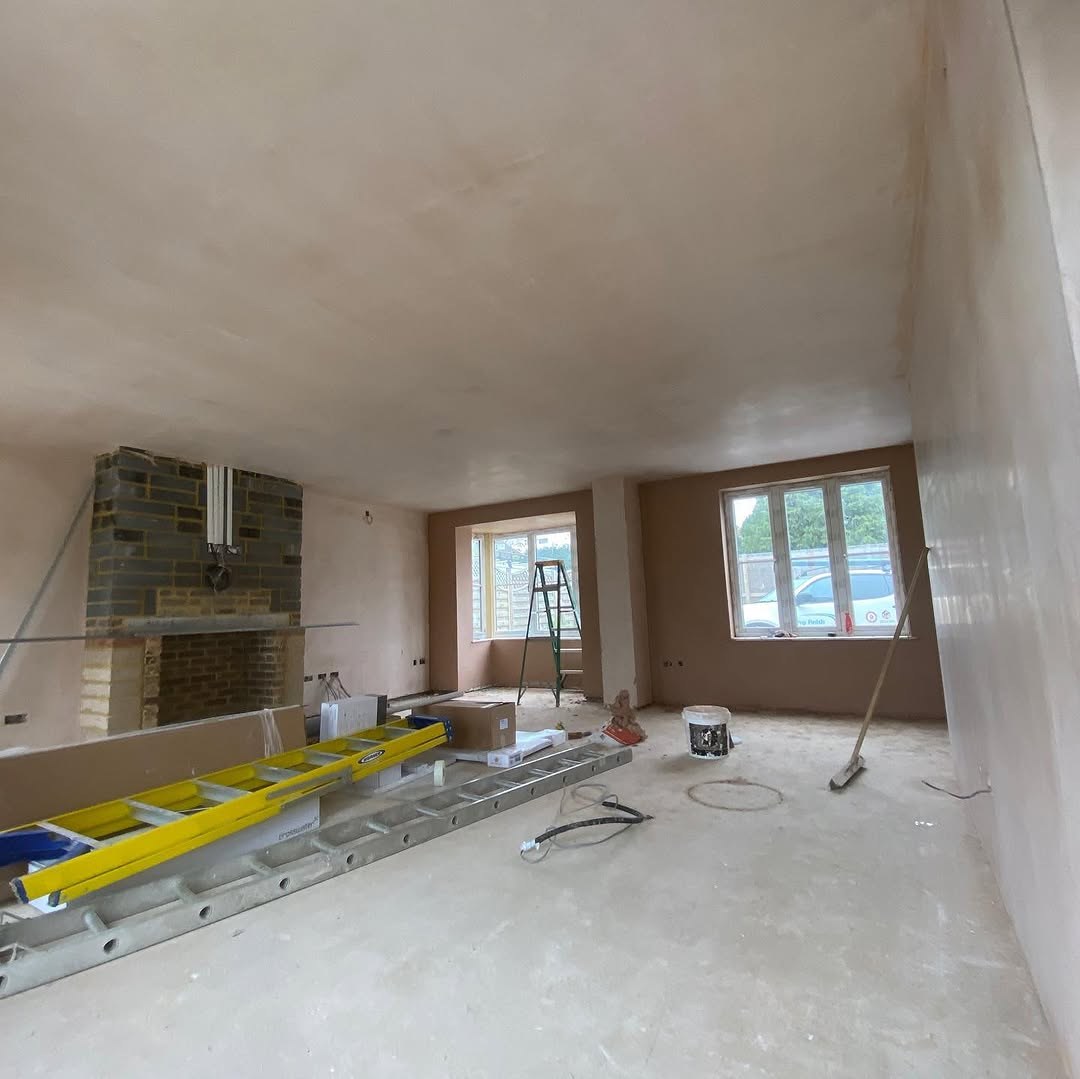
The estates where patterned ceilings linger
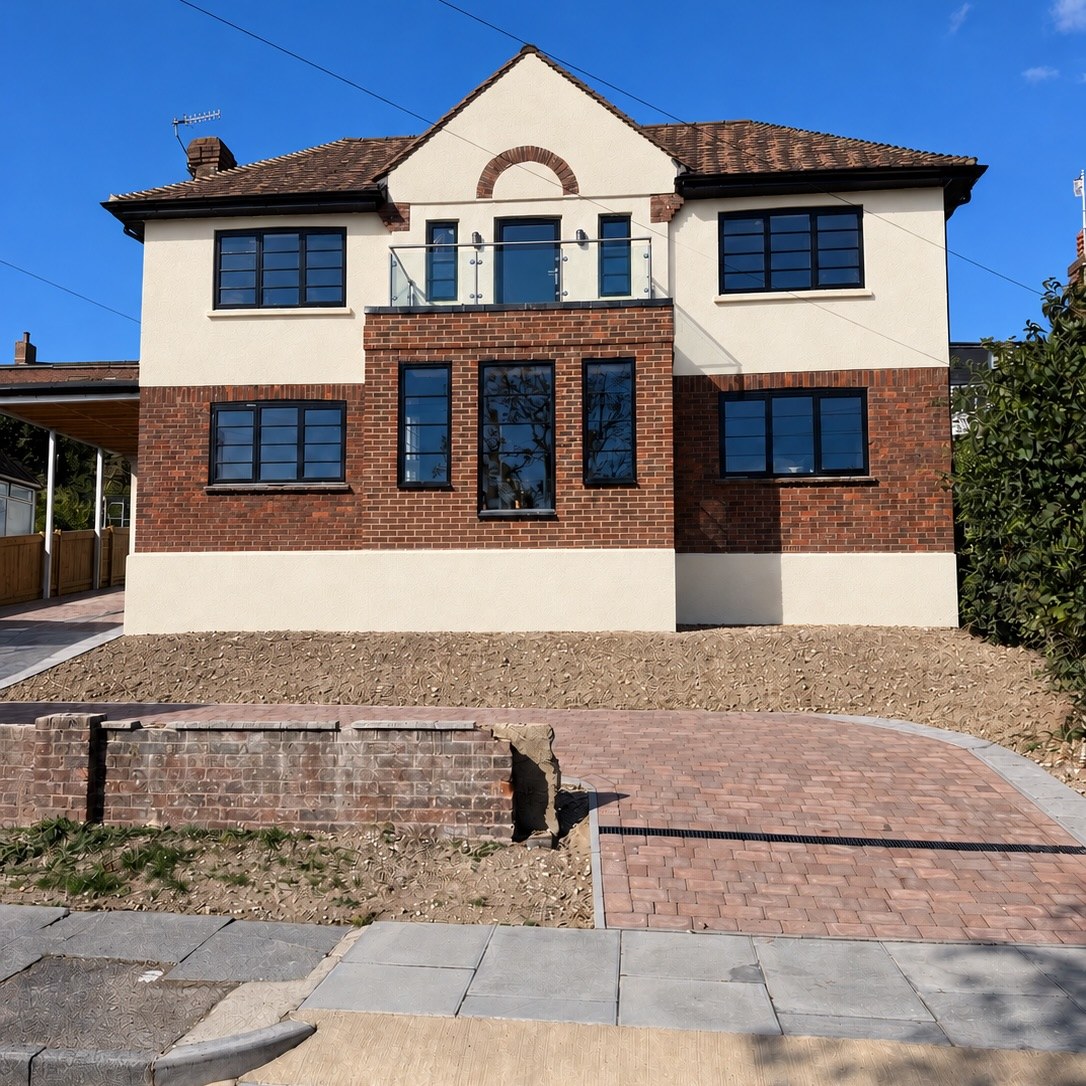
Angmering's population grew by more than two-thirds between 1961 and 1971, and the Angmering Neighbourhood Plan describes the estates that came with that growth. North and South Angmering, built in the 1960s and 1970s, mix detached and semi-detached houses with bungalows behind open-plan front gardens. Weavers Ring and The Avenals, from the same decades, are larger detached homes on the western edge of the village. The Dell followed in the 1980s with bungalows and chalet-style houses, and the low-density roads around Ham Manor golf course were built up between the 1930s and the 1960s. Those were the decades when a swirl, stipple or combed pattern was a common ceiling finish, and many such rooms still have one.
Sloping ceilings and tall stairwells
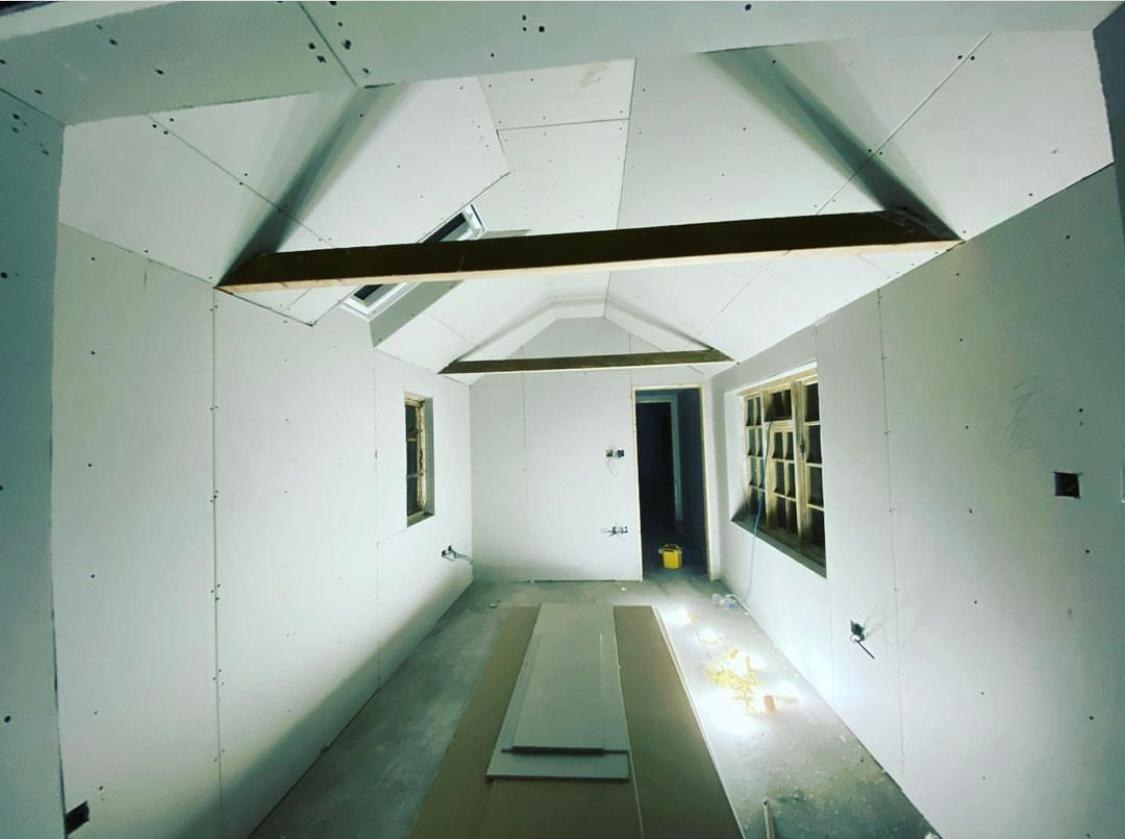
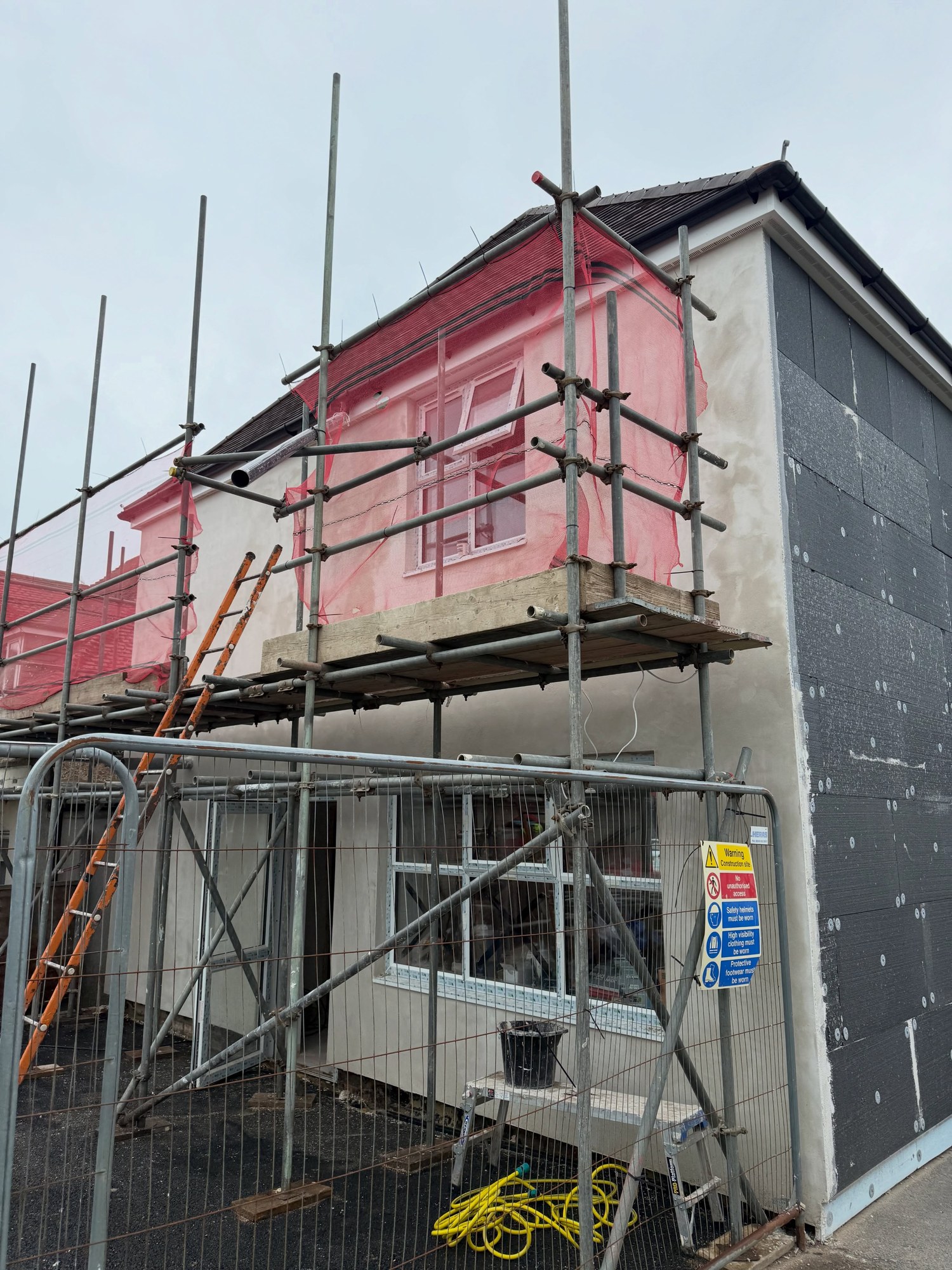
Not every textured ceiling is a flat rectangle. In a chalet-style house, bedrooms tucked into the roof have sloping ceilings that meet low knee walls and dormer cheeks, often all in the same pattern. Larger detached houses tend to have a tall stairwell where the texture runs up two storeys. Both are perfectly workable, but they need a proper platform or tower so the finish can be laid on evenly across the angle, and the junctions between slopes and flats need beading so the lines come out sharp. Textured walls are common in houses of this age too, particularly on chimney breasts and along hallways, and they can be done in the same visit so the whole room finishes to one standard.
Have it tested before anyone touches it
Anything textured that went onto a ceiling before 2000 could have asbestos in it, and there is no way to tell by eye. It is safe while left intact; the danger comes from dust if it is sanded, scraped, drilled or broken. If you do not know when your coating was applied, ask an asbestos surveyor to take a sample before any work that would disturb it. Plastering over a sound coating seals it in place, but the coating is still there afterwards. Testing and removal are separate, specialist jobs, so if removal is wanted, it happens before we arrive.
From pattern to plain
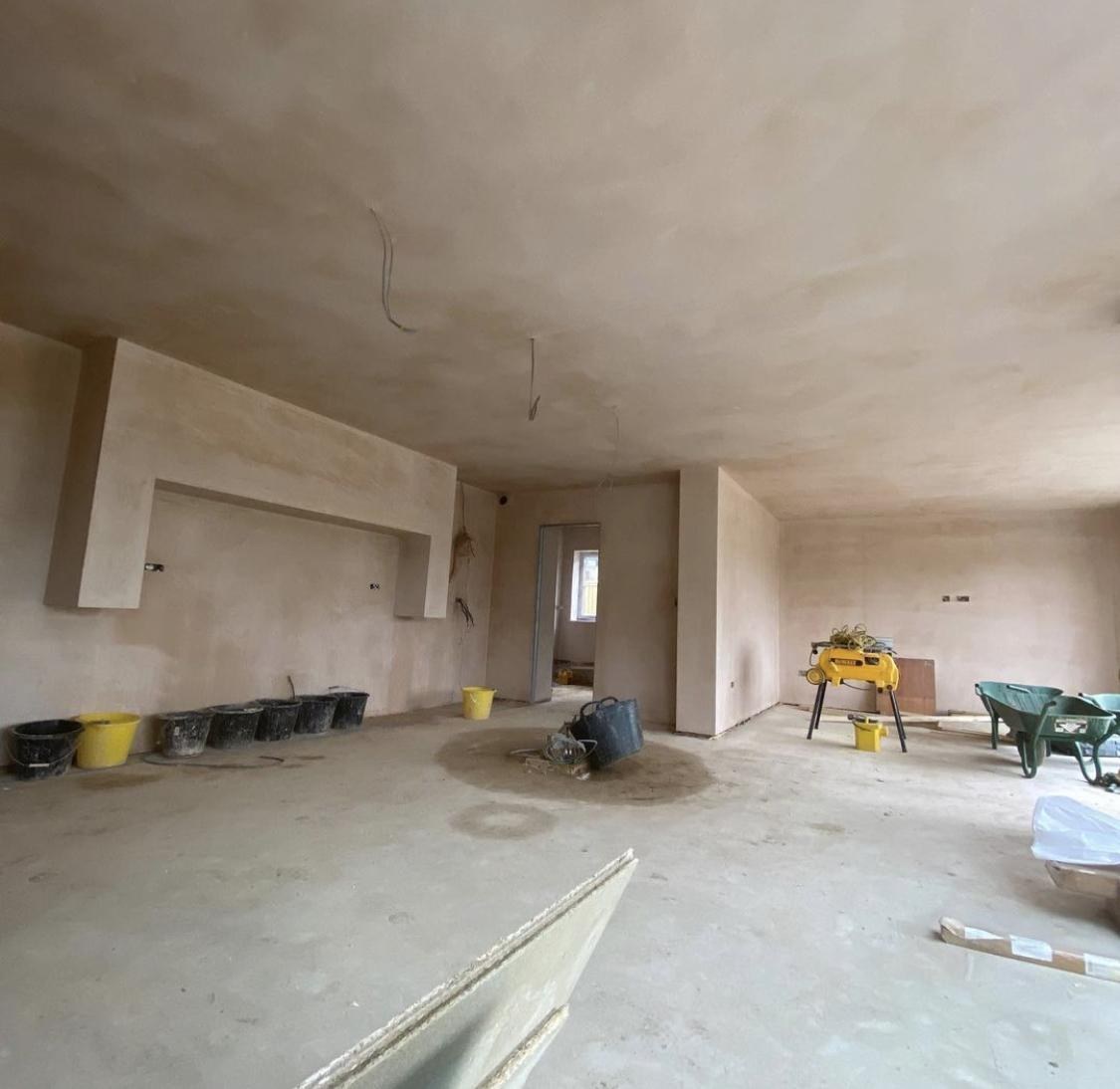
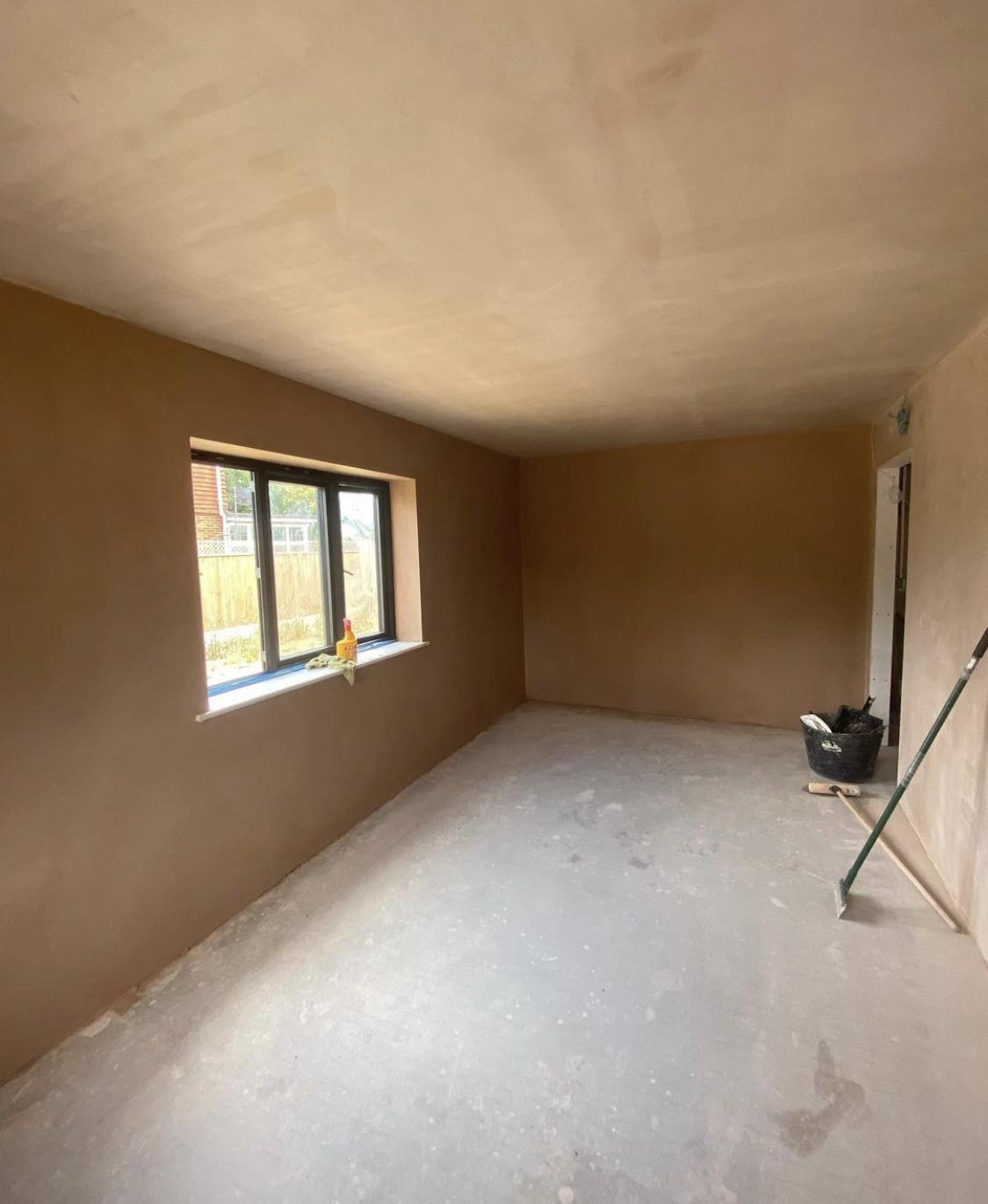
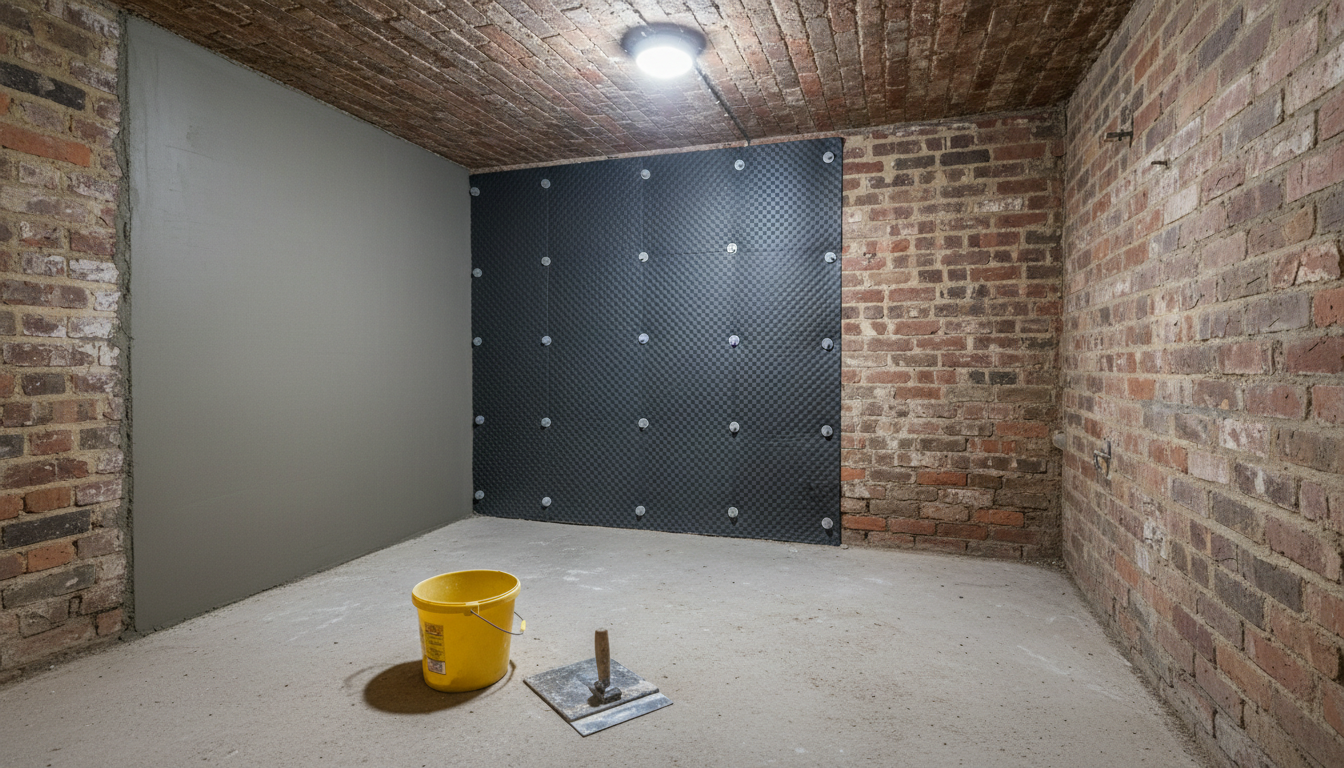
Rooms are cleared or sheeted and floors covered. Loose areas are checked for, because a skim can only be as firm as the surface it bonds to; a ceiling that is sagging or coming away from its joists is refixed or overboarded first. The texture is then sealed with a bonding coat, without sanding. The first coat of plaster fills the pattern level and the second is polished smooth, both in British Gypsum products. After drying, the ceiling takes a mist coat and emulsion like any new plaster. Existing coving or a ceiling rose in good condition can usually stay, with the new plaster finished neatly up to it; damaged pieces are better replaced once the ceiling is flat.
What usually comes next
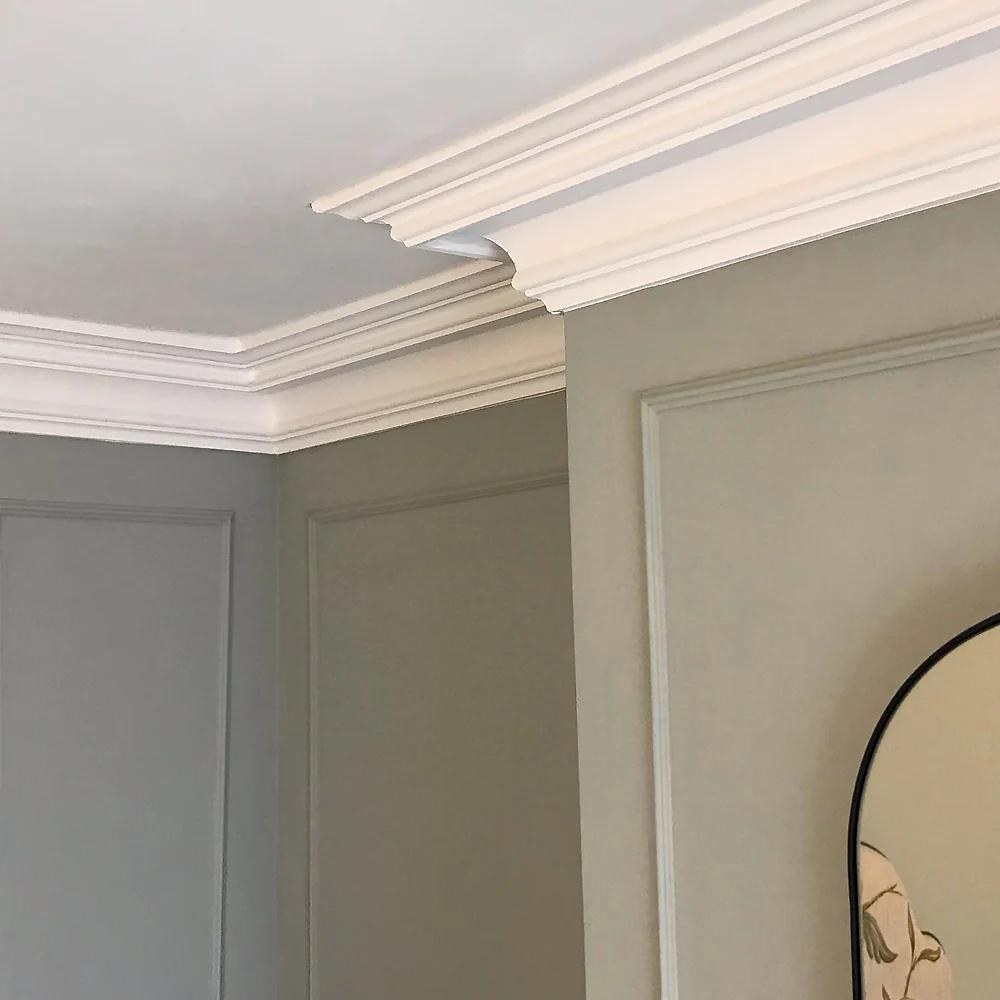
A flat ceiling shows off a good cornice, so many people take the chance to add one; see coving and cornice in Angmering. If the walls are tired as well, our page on skimming walls in Angmering explains the options. The full method is on our Artex plastering service page, and the Angmering page lists our other work here. Ring 07824 165672 for free, no-obligation advice.